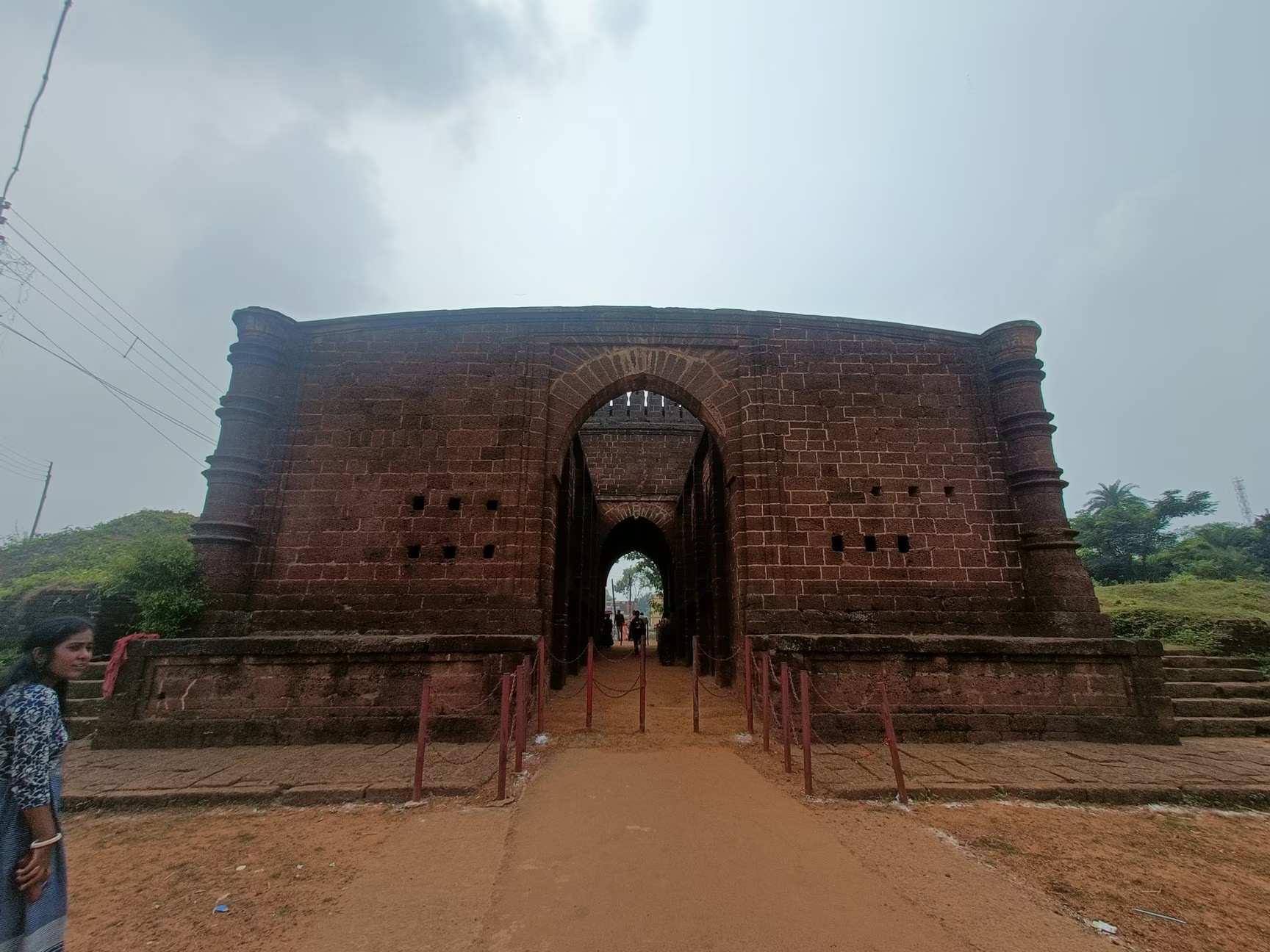
Explore Porahat Fort in West Singhbhum, Jharkhand. Learn about its history, architecture, tourist attractions, how to reach, best time to visit, and travel tips in this complete guide.
Porahat Fort, West Singhbhum
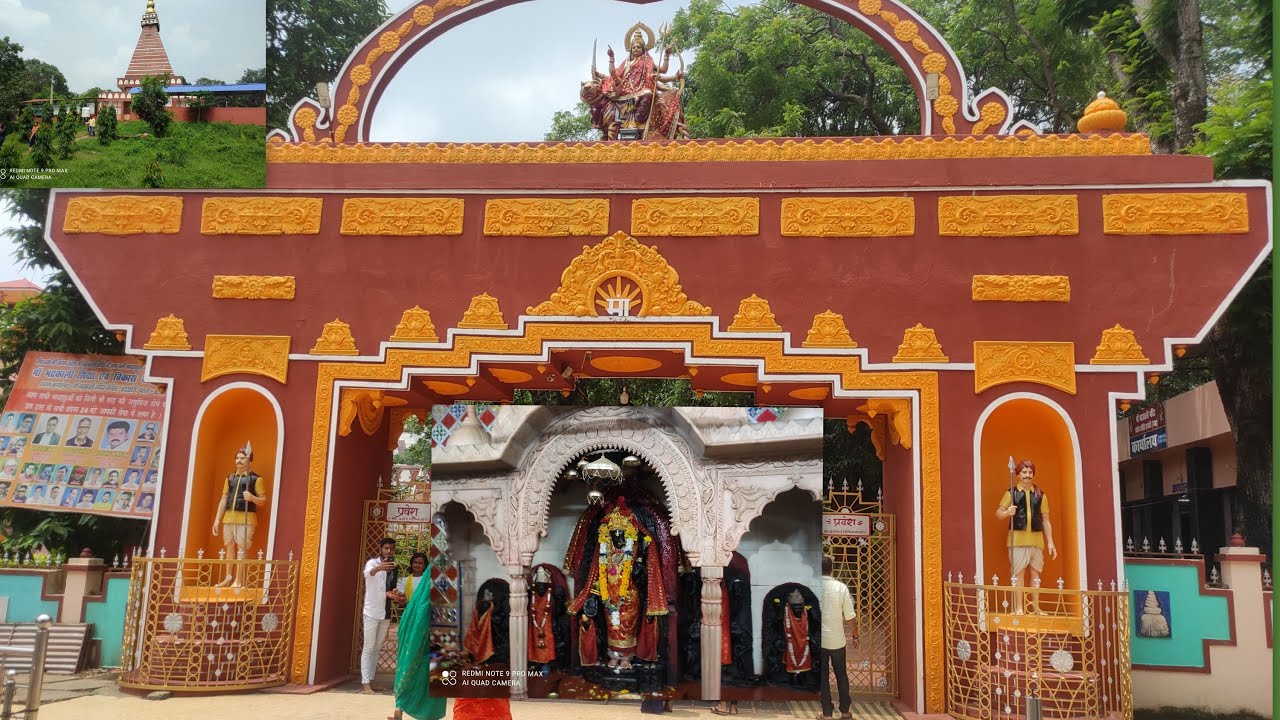
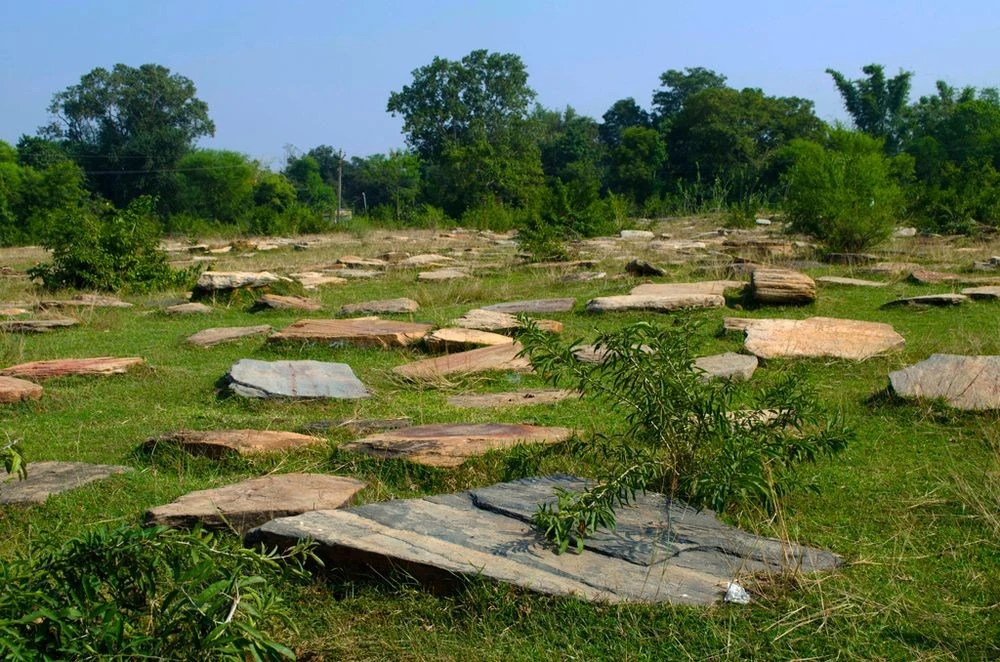
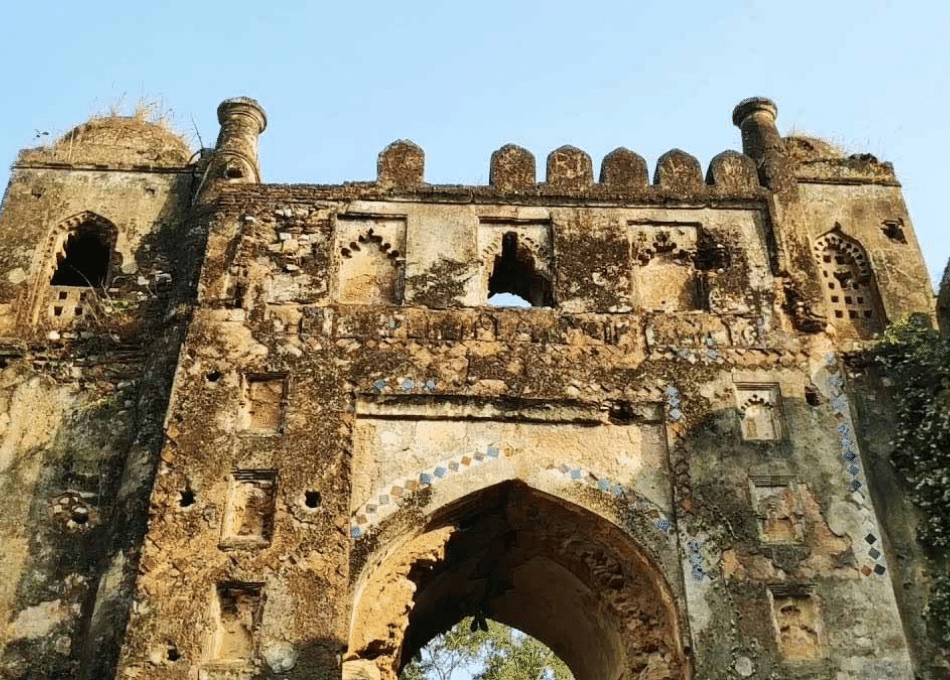
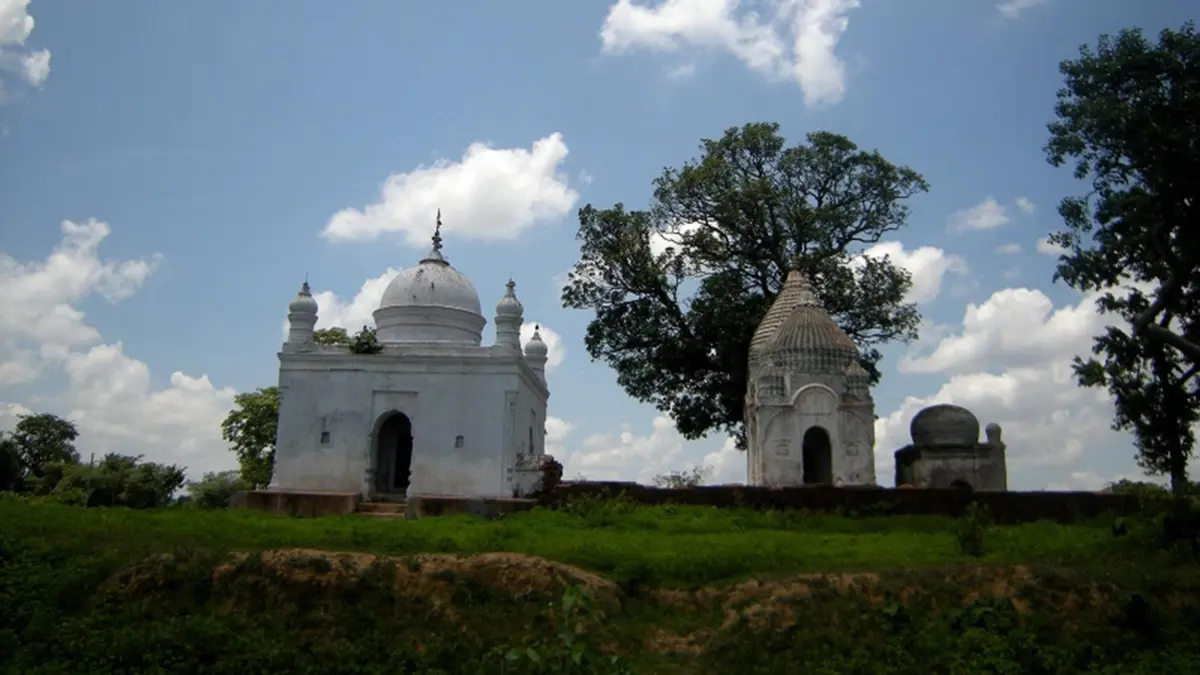
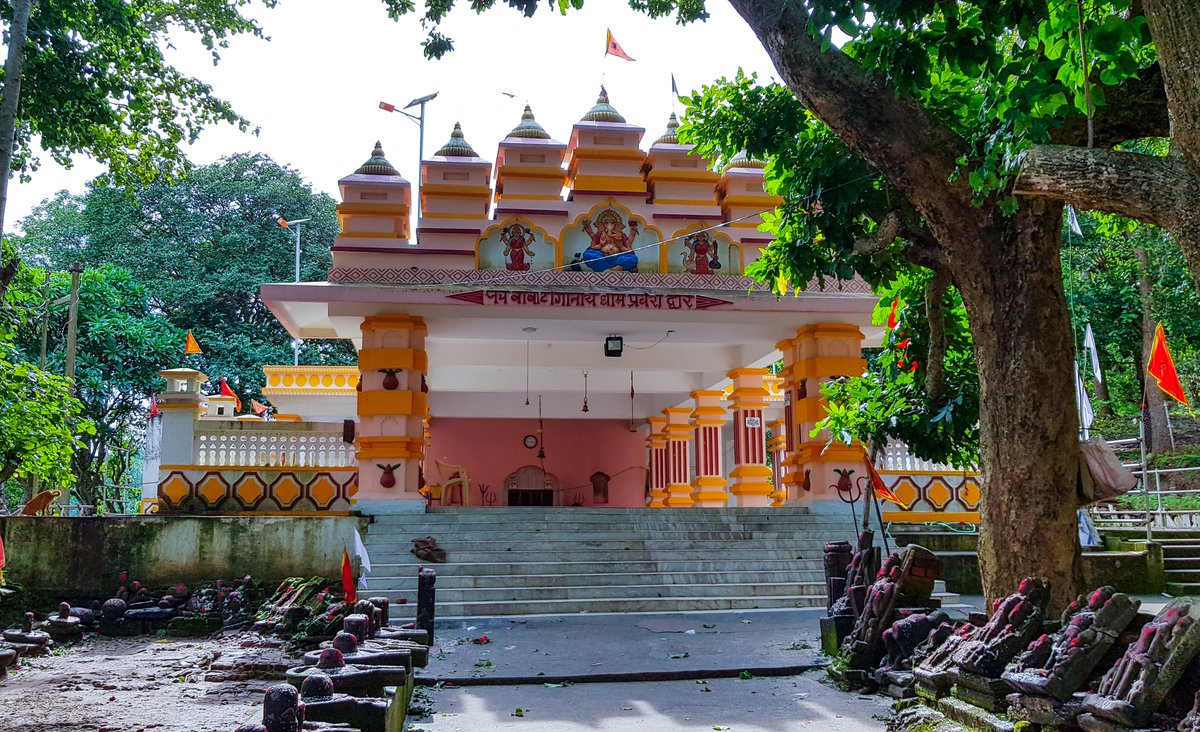
Porahat Fort is one of the lesser-known historical landmarks of Jharkhand. Located in the historic Porahat region of West Singhbhum district, the fort is associated with the powerful Porahat Raj and the Singh Dynasty, which played a significant role in shaping the history of the Singhbhum region. Although much of the original fort structure has deteriorated over time, the site continues to attract history enthusiasts, researchers, and tourists interested in Jharkhand’s royal heritage.
The fort represents the legacy of the rulers of Porahat, who governed large parts of present-day West Singhbhum before British rule. The history of the region is closely connected with the Singh rulers and the tribal communities of Singhbhum, particularly the Ho people. Historical records indicate that the Porahat rulers were influential in the political development of the area for several centuries.
Quick Information About Porahat Fort
| Details | Information |
|---|---|
| Location | Porahat Region, West Singhbhum, Jharkhand |
| District | Chaibasa (Nearest Major Town) |
| Historical Association | Porahat Raj |
| Dynasty | Singh Dynasty |
| Best Time to Visit | October to March |
| Entry Fee | Usually Free |
| Ideal Visit Duration | 2–3 Hours |
| Photography | Allowed |
| Nearby Attractions | Saranda Forest, Chakradharpur, Chaibasa |
History of Porahat Fort
The history of Porahat Fort is deeply connected with the Singh rulers of Singhbhum. Historical references suggest that the Porahat kingdom served as one of the most influential estates in the region before the British period.
The rulers of Porahat were commonly known as the Rajas of Singhbhum. The region itself is believed to derive its name from these rulers, although local tribal traditions also connect the name to Singbonga, the supreme deity of the Ho tribal community. Historical accounts indicate that the Singh Dynasty established political authority in the region centuries ago. The Porahat rulers maintained control over large forested territories and developed administrative centers to govern their kingdom.

During the colonial period, tensions developed between local rulers, tribal communities, and British administrators. Eventually, portions of the kingdom came under direct British influence, significantly reducing the power of the Porahat rulers. Porahat remained an important administrative and political center until the modern era, leaving behind a rich cultural and historical legacy.

The Significance of Porahat Raj
The Porahat Raj occupied a prominent place in the history of Jharkhand. Its rulers exercised influence over extensive territories covered by dense forests and tribal settlements.
Some important aspects of the Porahat Raj include:
- Political control over large areas of Singhbhum.
- Trade and administrative activities.
- Cultural interaction between tribal communities and royal administration.
- Resistance and negotiations during British expansion.
- Contribution to the historical identity of Singhbhum.
The Porahat estate became an important part of regional history and remains a subject of academic research today.
Architecture of Porahat Fort
Although much of the original structure has not survived in its complete form, historical descriptions suggest that the fort was designed primarily for defense and administration.
Typical features associated with forts of this period include:
1. Strong Defensive Walls
The fort likely possessed thick stone walls that protected the ruling family and administrative offices.
2. Strategic Location
Like many medieval forts, Porahat Fort was situated in an area that allowed effective monitoring of surrounding territories.
3. Watch Towers
Watch towers were generally used to observe movement and provide security against potential attacks.
4. Administrative Buildings
The fort probably included royal residences, meeting halls, storage facilities, and administrative offices.
5. Religious Structures
Temples and shrines often formed part of royal complexes, serving the spiritual needs of rulers and residents.

Natural Beauty Around Porahat Fort
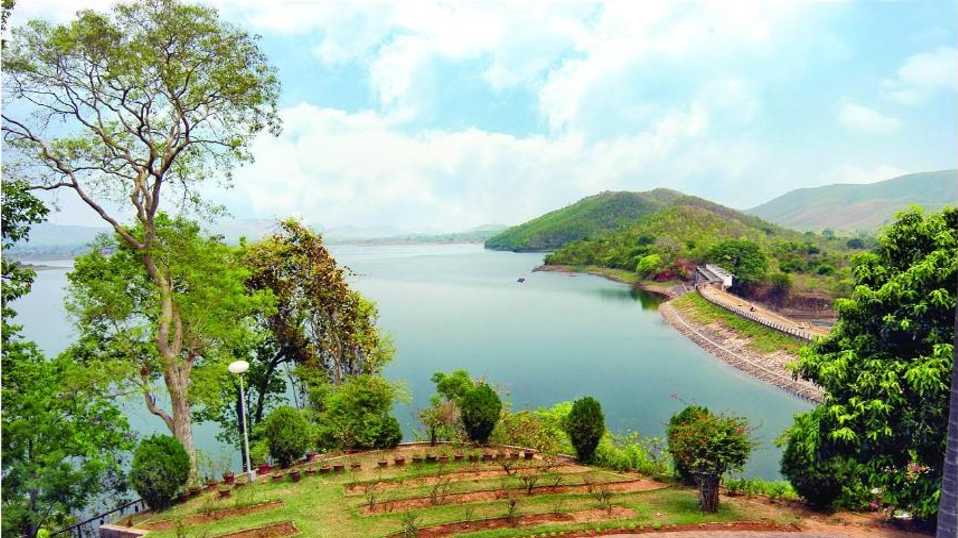
One of the major attractions of the Porahat region is its natural environment.

The area is surrounded by:
- Dense forests
- Rolling hills
- Tribal villages
- Rivers and streams
- Rich biodiversity
The nearby Porahat Forest Division covers extensive forest areas and contains valuable sal forests and wildlife habitats.
Nature lovers often combine a visit to Porahat Fort with exploration of the surrounding forests and scenic landscapes.
Cultural Importance of Porahat Fort
The fort symbolizes the shared history of royal governance and tribal traditions in Singhbhum.
The region is home to several indigenous communities including:
- Ho Tribe
- Munda Tribe
- Santhal Community
- Other tribal groups
Local festivals, traditions, and folk stories continue to preserve memories of the Porahat rulers and their role in regional history.
The site serves as a reminder of Jharkhand’s diverse cultural heritage.
Tourist Attractions Near Porahat Fort
1. Saranda Forest
Known as Asia’s largest sal forest, Saranda Forest offers breathtaking landscapes, wildlife, and trekking opportunities.
2. Chakradharpur
A major railway town with historical and cultural significance.
3. Chaibasa
The district headquarters and an important urban center of Singhbhum.
4. Porahat Forest Division
Offers opportunities for nature exploration and eco-tourism.
5. Tribal Villages
Visitors can experience traditional lifestyles, handicrafts, and indigenous culture.
Best Time to Visit Porahat Fort
Winter (October – March)
This is considered the best season because:
- Pleasant weather
- Comfortable sightseeing
- Better photography conditions
- Ideal for nature exploration
Monsoon (July – September)
The surrounding forests become lush green and scenic.
Summer (April – June)
Temperatures can become quite high, making sightseeing less comfortable.
How to Reach Porahat Fort
By Air
Nearest airports include:
- Birsa Munda Airport
- Sonari Airport
By Train
Nearest railway stations:
- Chakradharpur Railway Station
- Chaibasa Railway Station
By Road
The fort region is accessible through roads connecting:
- Ranchi
- Jamshedpur
- Chaibasa
- Chakradharpur
Private vehicles and local transport options are available.
Things to Do at Porahat Fort
Explore Historical Remains
Observe the remaining structures and learn about the region’s royal history.
Photography
Capture scenic landscapes and heritage features.
Nature Walks
Enjoy forest trails and natural surroundings.
Cultural Exploration
Interact with local communities and experience tribal traditions.
Historical Research
The site is particularly interesting for historians and archaeology enthusiasts.
Travel Tips
- Carry drinking water.
- Wear comfortable walking shoes.
- Visit during daylight hours.
- Hire a local guide if available.
- Respect local customs and traditions.
- Avoid littering.
- Carry a camera for photography.
Why Porahat Fort Should Be on Your Travel List
Porahat Fort offers a unique combination of:
- Historical significance
- Royal heritage
- Tribal culture
- Scenic landscapes
- Offbeat tourism experience
- Rich regional history
Unlike crowded tourist destinations, the fort provides a peaceful environment for travelers seeking authentic historical experiences.
FAQs About Porahat Fort
1. Where is Porahat Fort located?
Porahat Fort is located in the Porahat region of West Singhbhum district, Jharkhand.
2. Who built Porahat Fort?
The fort is associated with the rulers of the Porahat Raj and the Singh Dynasty.
3. Is there any entry fee?
Generally, there is no entry fee for visiting the site.
4. What is the best time to visit?
October to March is considered the best time.
5. Why is Porahat Fort famous?
It is famous for its historical connection with the Porahat rulers and the history of Singhbhum.
6. Can photography be done at the fort?
Yes, photography is generally allowed.
7. How much time is required for sightseeing?
Around 2–3 hours is usually sufficient.
8. Is the fort suitable for family trips?
Yes, families can visit and enjoy the historical surroundings.
9. Are guides available?
Local guides may be available depending on the season and visitor demand.
10. What nearby attractions can be visited?
Saranda Forest, Chaibasa, Chakradharpur, and tribal villages are popular nearby attractions.
Conclusion
Porahat Fort stands as an important symbol of the historical legacy of the Porahat Raj and the Singh rulers of Singhbhum. Though much of its original structure has faded with time, the fort continues to preserve memories of a significant chapter in Jharkhand’s history. Surrounded by forests, hills, and tribal culture, it provides visitors with an opportunity to explore both heritage and nature in a single destination.
For travelers interested in history, archaeology, culture, and offbeat tourism, Porahat Fort remains one of the hidden gems of West Singhbhum. Its connection with the Singh Dynasty and the broader history of Singhbhum makes it a fascinating destination worth exploring.
About Us – JharTravel
Welcome to JharTravel — your trusted travel companion for discovering the hidden beauty, culture, history, and tourism of Jharkhand and across India.
My name is Md Mokarram, and I am proudly from Jharkhand. I created JharTravel with a simple mission: to help travelers explore the real beauty of Jharkhand, Bihar, and other amazing destinations through authentic travel guides, hotel information, food blogs, pilgrimage details, and local experiences.
At JharTravel, we believe that every destination has a unique story. From waterfalls, hills, temples, and forests to street food, local culture, and budget travel tips — we provide informative and easy-to-understand travel content for every type of traveler.
Our website covers:
- Travel guides for famous and hidden destinations
- Tourist places in Jharkhand, Bihar, and India
- Hotels, lodges, and homestay recommendations
- Religious and pilgrimage travel guides
- Street food and local cuisine blogs
- Travel tips, itineraries, and budget guides
- SEO-friendly and regularly updated travel articles
Whether you are planning a family trip, solo adventure, spiritual journey, or weekend getaway, JharTravel helps you make your journey easier and more memorable.
As a traveler and blogger from Jharkhand, I personally enjoy exploring new places and sharing genuine travel experiences with readers. Every article on JharTravel is written with passion, research, and the goal of helping travelers discover the beauty of India.
Thank you for visiting JharTravel and being part of this travel journey.
Contact Information
- Founder: Md Mokarram
- Website: https://jhartravel.com/
- Location: Jharkhand
“Final Two Words”
Thank you for visiting JharTravel, a travel platform created with passion and dedication by Md Mokarram from Jharkhand. Our goal is to provide helpful, accurate, and easy-to-read travel information for travelers who want to explore the beauty of Jharkhand. From hidden tourist spots and religious places to hotels, food, and travel tips, we aim to make every journey memorable and budget-friendly. We truly appreciate your support and trust in our content. Keep exploring new destinations with JharTravel and make every trip an unforgettable experience filled with adventure, culture, and beautiful memories.
- 1 Explore Porahat Fort in West Singhbhum, Jharkhand. Learn about its history, architecture, tourist attractions, how to reach, best time to visit, and travel tips in this complete guide.
- 2 Porahat Fort, West Singhbhum
- 3 Quick Information About Porahat Fort
- 4 History of Porahat Fort
- 5 The Significance of Porahat Raj
- 6 Architecture of Porahat Fort
- 7 Natural Beauty Around Porahat Fort
- 8 Cultural Importance of Porahat Fort
- 9 Best Time to Visit Porahat Fort
- 10 Winter (October – March)
- 11 Monsoon (July – September)
- 12 Summer (April – June)
- 13 How to Reach Porahat Fort
- 14 Things to Do at Porahat Fort
- 15 Travel Tips
- 16 Why Porahat Fort Should Be on Your Travel List
- 17 FAQs About Porahat Fort
- 18 Conclusion
- 19 About Us – JharTravel
- 20 “Final Two Words”