Explore Tanginath Temple in Gumla, Jharkhand. Learn about its history, ancient Shiva temple, mysterious Trishul, architecture, tourist attractions, how to reach, timings, and travel tips.
Tanginath Temple, Gumla

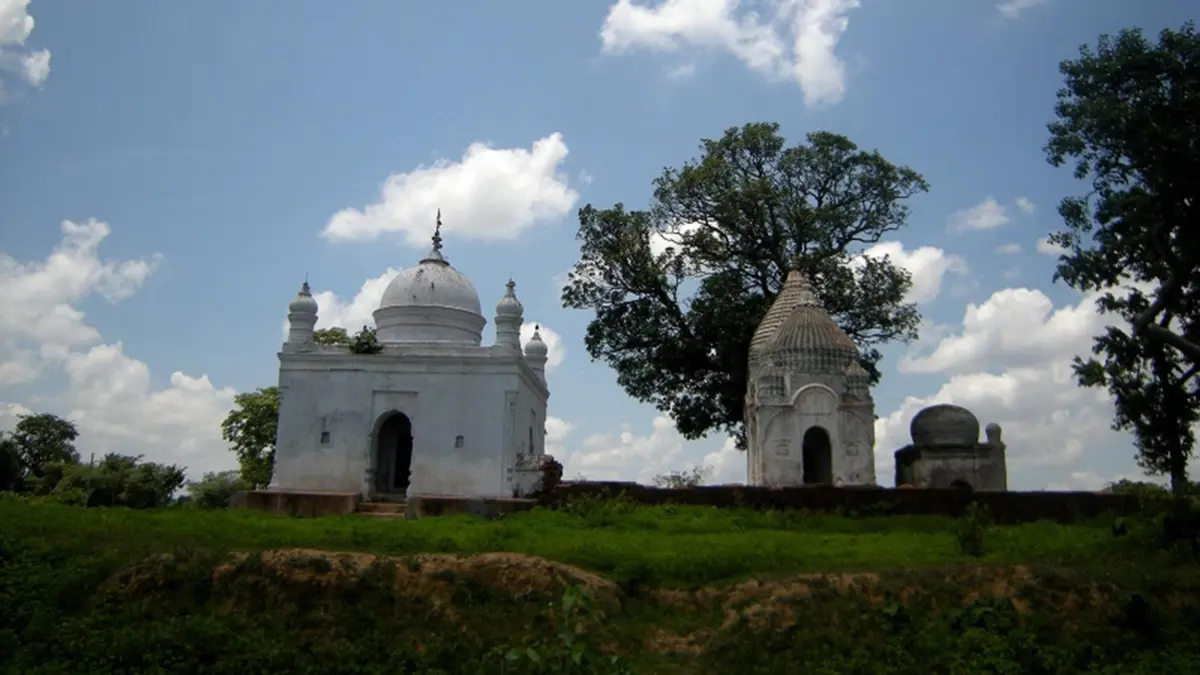
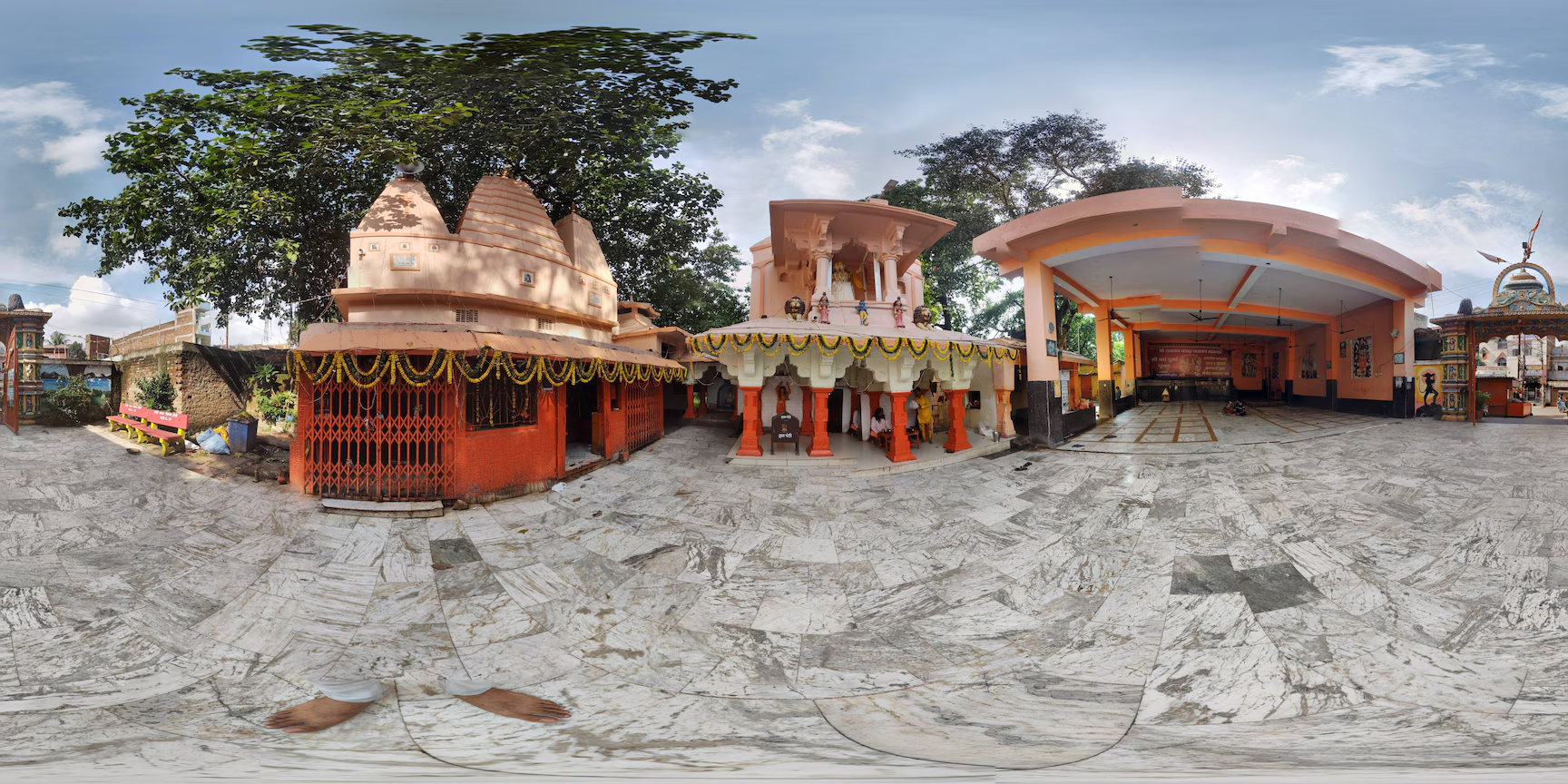
Tanginath Temple is one of the most important historical and religious sites in the Indian state of Jharkhand. Located in the Dumri block of Gumla district, this ancient Shiva shrine attracts thousands of devotees, historians, archaeologists, and tourists every year.
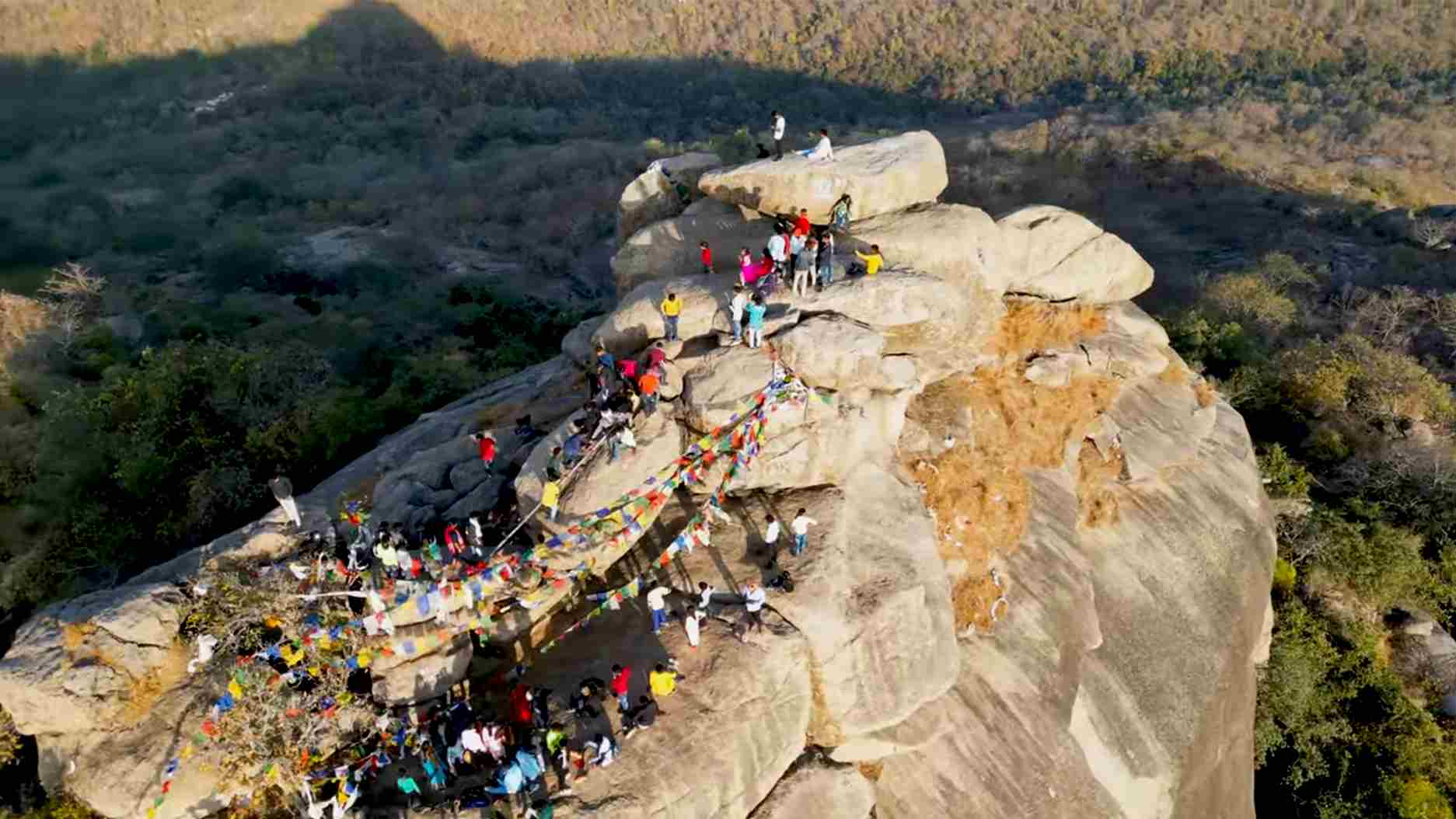
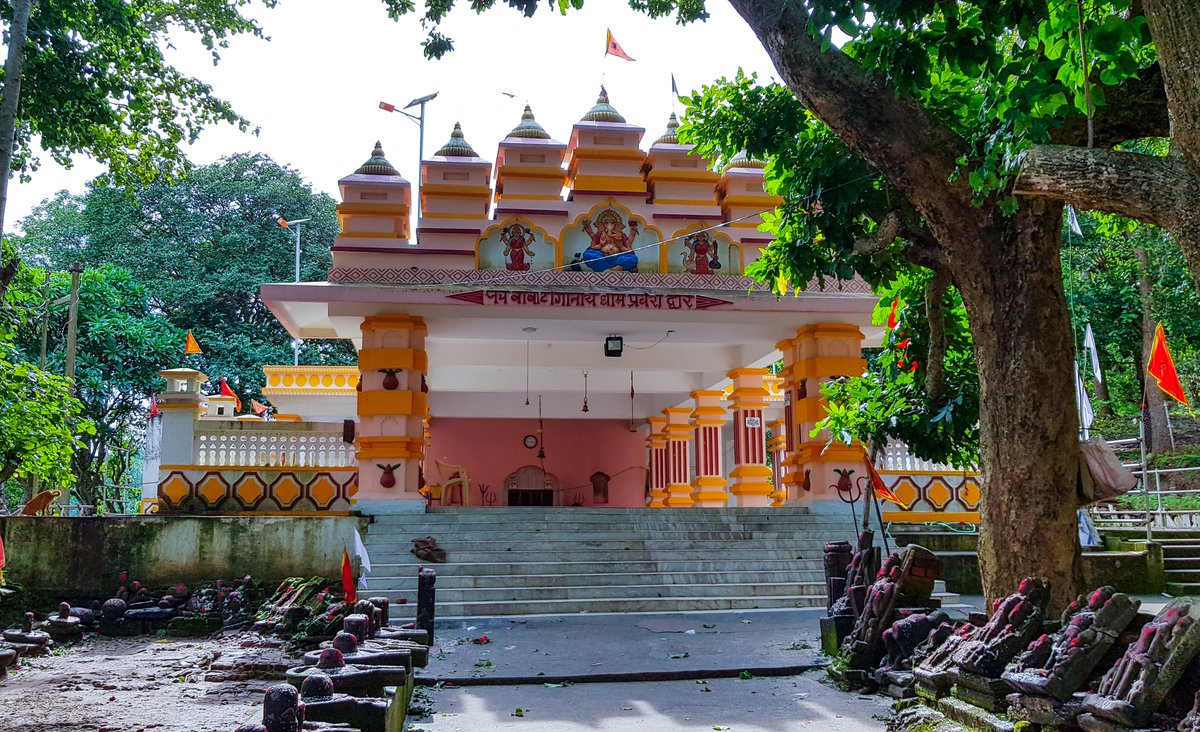
The temple is famous for its centuries-old iron Trishul (trident), numerous Shiva Lingas, ancient stone sculptures, and rich archaeological heritage. Situated on a hilltop, Tanginath offers breathtaking natural beauty along with spiritual significance. The temple complex covers approximately 10,000 square meters and contains more than 100 Shiva Lingas arranged in an organized manner.
Tanginath is considered one of Jharkhand’s most valuable heritage sites and holds immense importance in the cultural history of the Chotanagpur region.

Overview of Tanginath Temple
| Particulars | Details |
|---|---|
| Name | Tanginath Temple |
| Location | Dumri Block, Gumla District, Jharkhand |
| Main Deity | Lord Shiva |
| Elevation | Around 300 feet hilltop |
| Famous For | Ancient Trishul, Shiva Lingas, Sculptures |
| Historical Period | 7th–12th Century CE |
| Temple Area | Around 10,000 sq. meters |
| Best Time to Visit | October to March |
| Nearest City | Gumla |
| State | Jharkhand |
History of Tanginath Temple
Tanginath Temple has a rich history that dates back several centuries. Archaeologists believe that the temple and its sculptures belong to the period between the 7th and 12th centuries CE. The site reflects the artistic excellence and religious traditions of ancient India.
Historical inscriptions found in the temple complex indicate connections with the Nagvanshi rulers of Chotanagpur and the Ruxelvanshi kings of Surguja. These inscriptions provide valuable information about the political and cultural history of the region.
Over time, Tanginath evolved into a major center of Shaivism in the region. The temple became a sacred pilgrimage destination where devotees worship Lord Shiva and seek blessings for prosperity and well-being.
Today, Tanginath is recognized as one of the major archaeological and religious heritage sites of Jharkhand.
The Legend of Tanginath
Local legends are deeply associated with Tanginath Temple. According to popular belief, Lord Shiva blessed this place with divine powers. The mysterious iron Trishul standing at the temple is considered sacred and miraculous by devotees.
Many villagers believe that the Trishul possesses supernatural strength and has remained unaffected by weather conditions for centuries. Despite being exposed to rain, sunlight, and changing climates, it has shown remarkable resistance to rust.
Another legend states that anyone attempting to damage or remove the Trishul would face divine consequences. Because of such beliefs, local people protect and respect the site immensely.
Architecture of Tanginath Temple
Tanginath Temple is a masterpiece of ancient Indian temple architecture. The temple showcases artistic traditions from medieval India and reflects influences from various dynasties that ruled the region.
Hilltop Location
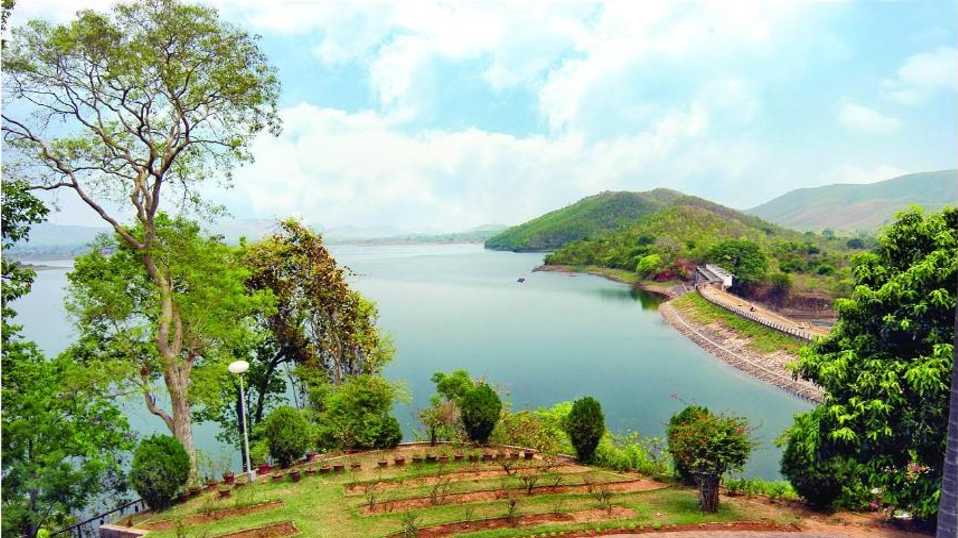
The temple stands on a hill approximately 300 feet high, offering panoramic views of the surrounding forests and countryside. The elevated location enhances its spiritual atmosphere.
Stone Sculptures
The temple complex contains numerous sculptures depicting Hindu deities such as:
- Lord Shiva
- Lord Vishnu
- Goddess Lakshmi
- Goddess Bhavani
- Lord Ganesha
- Surya Dev
These sculptures demonstrate the advanced craftsmanship of ancient sculptors.
Ancient Shiva Lingas
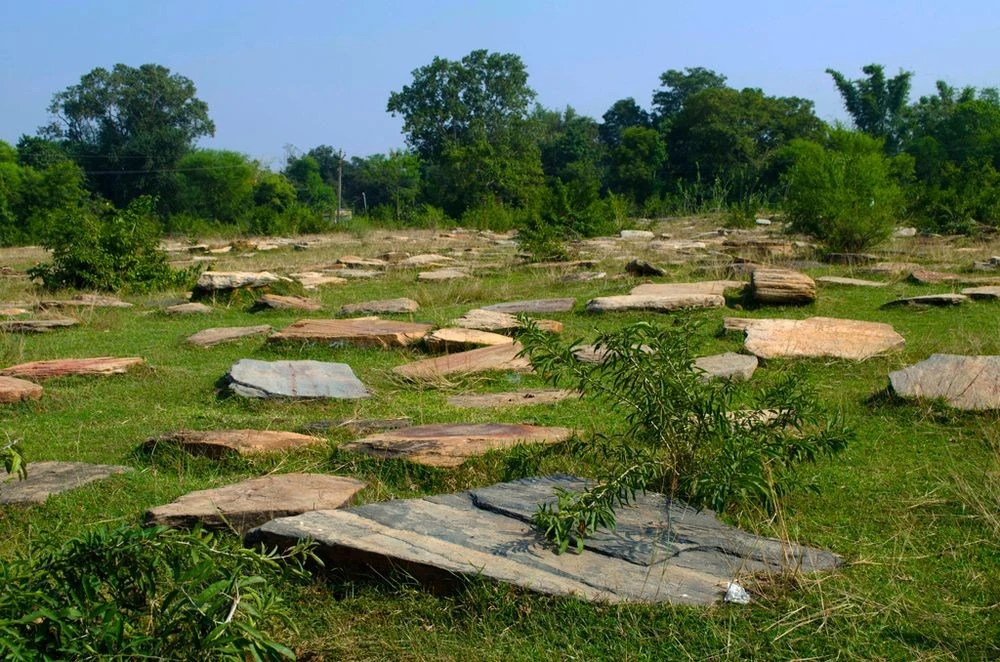
One of the most remarkable features of Tanginath is the presence of over 100 Shiva Lingas arranged systematically throughout the complex. These Lingas symbolize the temple’s importance as a Shaivite center.
Archaeological Importance
Numerous inscriptions and stone carvings discovered at the site help historians understand the religious and political developments of the Chotanagpur region.
The Mysterious Iron Trishul
The most famous attraction of Tanginath Temple is its gigantic iron Trishul.
Why Is It Special?
The Trishul:
- Is believed to be several centuries old
- Remains largely rust-resistant
- Stands exposed to natural weather
- Attracts researchers and historians
- Is worshipped by devotees as a divine symbol
According to experts, the Trishul represents ancient metallurgical skills that were highly advanced for their time.
The mystery surrounding its preservation continues to fascinate visitors from across India.
Religious Importance of Tanginath
Tanginath is regarded as one of the sacred Shiva temples of Jharkhand.
Major Religious Activities
- Daily Shiva worship
- Rudrabhishek ceremonies
- Sawan month celebrations
- Mahashivratri festival
- Special pujas for devotees
Thousands of devotees visit the temple during Mahashivratri and the holy month of Sawan to offer prayers and perform rituals.
The spiritual environment, combined with natural surroundings, makes Tanginath an ideal destination for meditation and worship.
Festivals Celebrated at Tanginath Temple
Mahashivratri
Mahashivratri is the grandest festival celebrated at Tanginath Temple. Thousands of devotees gather to worship Lord Shiva.
Activities include:
- Night-long prayers
- Bhajan and kirtan programs
- Special Rudrabhishek
- Religious processions
Shravan Month
During the month of Shravan (Sawan), pilgrims visit the temple regularly to offer holy water to the Shiva Lingas.
Makar Sankranti
Special religious gatherings are organized during Makar Sankranti, attracting devotees from nearby districts.
Tourist Attractions Near Tanginath
Visitors can explore several nearby attractions while visiting Tanginath.
Anjan Dham
Anjan Dham is believed to be the birthplace of Lord Hanuman and is one of the most famous pilgrimage sites in Jharkhand.
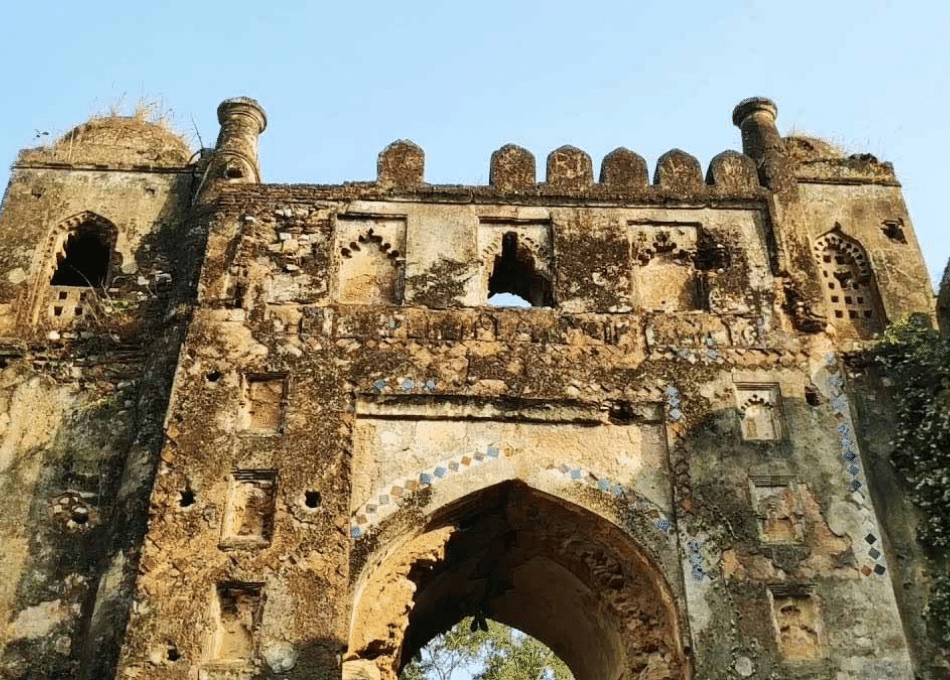
Navratangarh Fort was the capital of the Nagvanshi rulers and is known for its historical architecture.
Nagfeni
Nagfeni is famous for its Jagannath temple and unique snake-shaped rock formation.
Sadni Waterfall
Sadni Waterfall is a beautiful natural attraction ideal for photography and sightseeing.
How to Reach Tanginath Temple
By Air
The nearest airport is:
- Birsa Munda Airport
Distance from Tanginath: Approximately 150 km.
By Train
Nearest railway stations include:
- Ranchi Railway Station
- Lohardaga Railway Station
By Road
Tanginath is well connected by road from:
- Ranchi
- Gumla
- Lohardaga
- Simdega
Regular buses and private vehicles are available.
Best Time to Visit Tanginath Temple
The ideal time to visit is between October and March when the weather remains pleasant.
Seasonal Guide
| Season | Experience |
|---|---|
| Winter | Best for sightseeing |
| Summer | Warm but manageable |
| Monsoon | Lush greenery and scenic beauty |
Travel Tips for Visitors
- Wear comfortable footwear.
- Carry drinking water.
- Visit early morning for peaceful darshan.
- Respect religious customs.
- Avoid littering.
- Carry a camera for photography.
- Explore nearby historical sites.
Conservation and Heritage Importance
Tanginath is one of the major archaeological heritage sites of Gumla district. Government agencies and cultural organizations recognize its importance in preserving the history and art of Jharkhand.
The sculptures, inscriptions, and temple structures provide valuable insights into medieval Indian civilization and temple-building traditions.
Proper conservation efforts can help preserve this heritage for future generations.

Why Tanginath Temple Should Be on Your Travel List
Tanginath offers a unique combination of:
- Spiritual significance
- Ancient architecture
- Archaeological importance
- Natural beauty
- Historical mystery
- Cultural heritage
Whether you are a pilgrim, historian, photographer, or traveler, Tanginath provides an unforgettable experience.
FAQs About Tanginath Temple
1. Where is Tanginath Temple located?
Tanginath Temple is located in Dumri Block of Gumla district, Jharkhand.
2. Which deity is worshipped at Tanginath?
Lord Shiva is the main deity worshipped here.
3. Why is Tanginath famous?
It is famous for its ancient Trishul, Shiva Lingas, sculptures, and archaeological significance.
4. How old is Tanginath Temple?
The temple is believed to date between the 7th and 12th centuries CE.
5. What is the mystery of the Trishul?
The iron Trishul has remained largely rust-resistant despite centuries of exposure to weather.
6. Is Tanginath an archaeological site?
Yes, it is recognized as an important archaeological and heritage site.
7. Which is the nearest airport?
Birsa Munda Airport in Ranchi.
8. What is the best time to visit?
October to March.
9. Are there accommodation facilities nearby?
Hotels and guest houses are available in Gumla and nearby towns.
10. Which festival is most important here?
Mahashivratri is the most significant festival celebrated at Tanginath Temple.
Conclusion
Tanginath Temple in Gumla is one of Jharkhand’s most remarkable religious and historical destinations. Perched atop a hill and surrounded by natural beauty, the temple showcases centuries of spiritual devotion, artistic excellence, and architectural brilliance. Its ancient Shiva Lingas, mysterious rust-resistant Trishul, and priceless sculptures make it a treasure of Indian heritage.
A visit to Tanginath is not merely a pilgrimage but a journey through history, culture, and faith. Every stone of the temple narrates a story of ancient India, making it a must-visit destination for anyone exploring the spiritual and historical wonders of Jharkhand.
About Us – JharTravel
Welcome to JharTravel — your trusted travel companion for discovering the hidden beauty, culture, history, and tourism of Jharkhand and across India.
My name is Md Mokarram, and I am proudly from Jharkhand. I created JharTravel with a simple mission: to help travelers explore the real beauty of Jharkhand, Bihar, and other amazing destinations through authentic travel guides, hotel information, food blogs, pilgrimage details, and local experiences.
At JharTravel, we believe that every destination has a unique story. From waterfalls, hills, temples, and forests to street food, local culture, and budget travel tips — we provide informative and easy-to-understand travel content for every type of traveler.
Our website covers:
- Travel guides for famous and hidden destinations
- Tourist places in Jharkhand, Bihar, and India
- Hotels, lodges, and homestay recommendations
- Religious and pilgrimage travel guides
- Street food and local cuisine blogs
- Travel tips, itineraries, and budget guides
- SEO-friendly and regularly updated travel articles
Whether you are planning a family trip, solo adventure, spiritual journey, or weekend getaway, JharTravel helps you make your journey easier and more memorable.
As a traveler and blogger from Jharkhand, I personally enjoy exploring new places and sharing genuine travel experiences with readers. Every article on JharTravel is written with passion, research, and the goal of helping travelers discover the beauty of India.
Thank you for visiting JharTravel and being part of this travel journey.
Contact Information
- Founder: Md Mokarram
- Website: https://jhartravel.com/
- Location: Jharkhand
“Final Two Words”
Thank you for visiting JharTravel, a travel platform created with passion and dedication by Md Mokarram from Jharkhand. Our goal is to provide helpful, accurate, and easy-to-read travel information for travelers who want to explore the beauty of Jharkhand. From hidden tourist spots and religious places to hotels, food, and travel tips, we aim to make every journey memorable and budget-friendly. We truly appreciate your support and trust in our content. Keep exploring new destinations with JharTravel and make every trip an unforgettable experience filled with adventure, culture, and beautiful memories.
- 1 Explore Tanginath Temple in Gumla, Jharkhand. Learn about its history, ancient Shiva temple, mysterious Trishul, architecture, tourist attractions, how to reach, timings, and travel tips.
- 2 Overview of Tanginath Temple
- 3 History of Tanginath Temple
- 4 The Legend of Tanginath
- 5 Architecture of Tanginath Temple
- 6 Hilltop Location
- 7 Stone Sculptures
- 8 Ancient Shiva Lingas
- 9 Archaeological Importance
- 10 Why Is It Special?
- 11 Mahashivratri
- 12 Shravan Month
- 13 Makar Sankranti
- 14 Tourist Attractions Near Tanginath
- 15 Anjan Dham
- 16 Navratangarh Fort
- 17 Nagfeni
- 18 Sadni Waterfall
- 19 How to Reach Tanginath Temple
- 20 By Air
- 21 By Train
- 22 By Road
- 23 Travel Tips for Visitors
- 24 Conservation and Heritage Importance
- 25 Why Tanginath Temple Should Be on Your Travel List
- 26 FAQs About Tanginath Temple
- 27 Conclusion
- 28 About Us – JharTravel
- 29 “Final Two Words”