Explore Shahpur Fort in Palamu, Jharkhand. Learn about its history, architecture, tourist attractions, location, timings, and travel guide for visitors.
Shahpur Fort is one of the most significant historical monuments in the Palamu region of Jharkhand. Situated on the banks of the Koel River near Medininagar (formerly Daltonganj), the fort stands as a symbol of the glorious Chero dynasty that once ruled the region. Although not as famous as many forts in Rajasthan or Madhya Pradesh, Shahpur Fort possesses immense historical, cultural, and architectural importance.
The fort attracts history enthusiasts, researchers, photographers, and tourists who wish to explore Jharkhand’s rich heritage. Its massive walls, strategic location, and historical connections with the Chero rulers make it one of the most fascinating historical destinations in the state. The fort is believed to have served as an administrative and military center during the later period of Chero rule in Palamu.
Overview of Shahpur Fort
| Particular | Details |
|---|---|
| Name | Shahpur Fort |
| Location | Shahpur, Palamu District, Jharkhand |
| Nearby City | Medininagar (Daltonganj) |
| River | Koel River |
| Built By | Chero Dynasty Rulers |
| Construction Period | 18th Century |
| Historical Importance | Administrative and Military Center |
| Architecture Style | Medieval Fort Architecture |
| Best Time to Visit | October to March |
| Entry Fee | Usually Free |
| Famous For | Chero Dynasty Heritage |
History of Shahpur Fort
The history of Shahpur Fort is closely linked with the powerful Chero dynasty that ruled the Palamu region for several centuries. The Cheros were known for their bravery, administrative abilities, and strong resistance against Mughal and British forces.
According to historical records, Shahpur Fort was constructed around 1772 AD by Chero ruler Gopal Rai after the decline of the Palamu Forts. The fort served as an important political and military center during the final phase of Chero rule in the region.

The Chero rulers had earlier established their dominance through the famous Palamu Forts. However, after conflicts with external powers and changing political circumstances, Shahpur Fort emerged as a strategic center for governance.
The fort became a symbol of resistance and royal authority. It housed administrative offices, military units, and royal residences. Many local legends suggest that the fort played a crucial role in protecting the region from invasions and maintaining law and order.
Connection with the Chero Dynasty
The Chero dynasty occupies a special place in Jharkhand’s history. Among its most celebrated rulers was King Medini Rai, whose reign is often remembered as a golden age of prosperity.
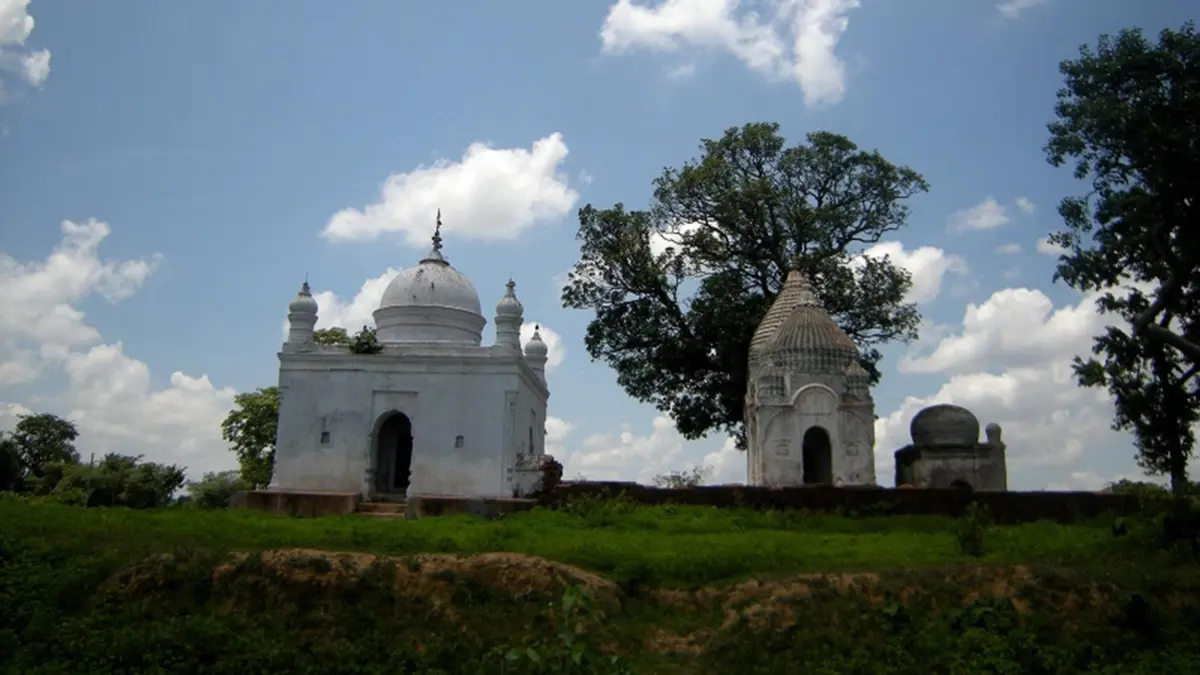
Though Shahpur Fort was built during the later phase of Chero rule, it continued the legacy established by Medini Rai and his successors. Inside the fort premises, memorials and busts associated with prominent Chero rulers have been preserved, reminding visitors of the dynasty’s glorious past.
Local folklore often praises the governance of the Chero kings, describing them as rulers who ensured prosperity and justice for their people.
Strategic Importance of Shahpur Fort
One of the major reasons behind the construction of Shahpur Fort was its strategic location.
The fort was built near the Koel River, allowing rulers to:
- Monitor river routes
- Control regional trade
- Defend against enemy attacks
- Maintain communication with nearby territories
- Strengthen military operations
The elevated position of the fort offered a clear view of the surrounding landscape, making it easier to detect approaching armies.
Its location near Medininagar further increased its significance as a political and administrative center.

Architecture of Shahpur Fort
The architecture of Shahpur Fort reflects the military requirements of medieval India. The structure was designed primarily for defense rather than luxury.
Major Architectural Features
Massive Walls
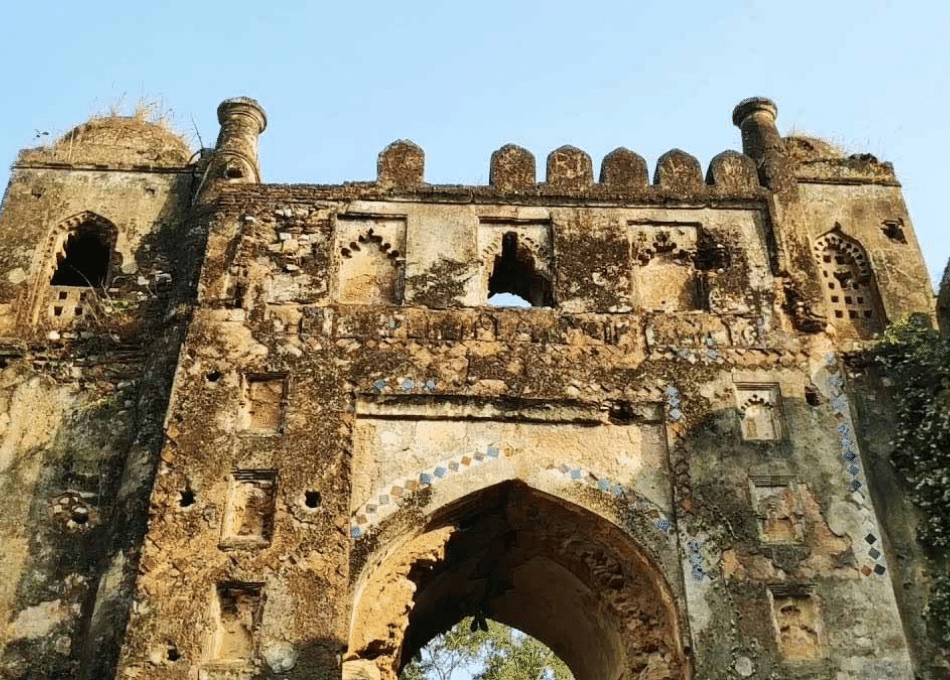
The fort is surrounded by thick defensive walls that once protected it from enemy attacks. Even today, portions of these walls demonstrate the engineering skills of the builders.
Large Entrance Gates
The fort contains large gateways that were used for controlling entry and exit. These gates were designed to withstand attacks and provide additional security.
Watch Towers
Several sections of the fort served as observation points for soldiers.
Courtyards
Open courtyards inside the fort were used for administrative activities, military gatherings, and public meetings.
Residential Areas
Historical evidence suggests that parts of the fort were used as royal residences and government offices.
River-Facing Structure
The fort’s position along the Koel River added both defensive and aesthetic value.
Architectural Significance
Unlike the decorative forts of Rajasthan, Shahpur Fort focuses on functionality and defense.
Its architecture highlights:
- Strong fortification systems
- Military planning
- Strategic construction
- Regional building techniques
- Use of locally available materials
These features make it an important example of eastern India’s medieval fort architecture.
Legends and Local Stories
Several legends are associated with Shahpur Fort.
Secret Tunnel Story
One popular local belief suggests that a secret underground tunnel connected Shahpur Fort with the famous Palamu Fort. This tunnel allegedly allowed rulers and soldiers to travel safely during emergencies. While no concrete archaeological evidence has confirmed this claim, the story remains popular among local residents.
Royal Treasure Legend
Another legend speaks of hidden treasures buried within the fort premises. According to folklore, the treasures were concealed during periods of political instability.
Stories of Heroic Battles
Many local narratives celebrate the bravery of Chero warriors who defended their kingdom against invading forces.
Present Condition of Shahpur Fort
Today, Shahpur Fort stands as a historical monument that requires greater conservation efforts.
Visitors can observe:
- Ancient walls
- Historic gateways
- Ruined structures
- Heritage remains
- Scenic river views
Some restoration work has been undertaken in the past, but significant portions of the fort still need preservation. Historians and heritage enthusiasts continue to advocate for comprehensive conservation measures.
Tourism Importance
Shahpur Fort has immense tourism potential.
The fort attracts:
- History lovers
- Heritage researchers
- Students
- Photographers
- Adventure travelers
- Cultural tourists
Its combination of historical significance and natural surroundings creates a unique travel experience.

Best Time to Visit Shahpur Fort
Winter Season (October to March)
This is considered the ideal period for visiting.
Benefits include:
- Pleasant weather
- Comfortable sightseeing
- Better photography opportunities
- Clear views of surroundings
Monsoon Season (July to September)
The area becomes greener and more picturesque, though heavy rains may affect travel.
Summer Season (April to June)
Summers can be hot, making sightseeing less comfortable.
How to Reach Shahpur Fort
By Air
The nearest major airport is:
Birsa Munda Airport
From Ranchi, visitors can travel by road or rail to Medininagar.
By Train
The nearest railway station is:
Medininagar Railway Station
The station is well connected with major cities of Jharkhand and neighboring states.
By Road
Shahpur Fort can be reached through a well-developed road network from:
- Ranchi
- Medininagar
- Garhwa
- Latehar
Local transportation options include taxis, auto-rickshaws, and private vehicles.
Nearby Tourist Attractions
Palamu Fort
One of Jharkhand’s most famous historical sites, associated with the Chero dynasty and Raja Medini Rai.
Betla National Park
A renowned wildlife destination known for its forests, wildlife, and natural beauty.
Koel River
Offers scenic views and excellent photography opportunities.
Medininagar
A historic city that serves as the gateway to many attractions in the Palamu region.
Why Shahpur Fort Should Be Preserved
Shahpur Fort represents:
- Jharkhand’s historical heritage
- The legacy of the Chero dynasty
- Medieval military architecture
- Regional cultural identity
- Educational and tourism value
Preservation efforts can help transform the fort into a major heritage tourism destination.
Travel Tips for Visitors
- Visit during winter for the best experience.
- Carry drinking water.
- Wear comfortable footwear.
- Respect historical structures.
- Avoid littering.
- Carry a camera for photography.
- Hire a local guide if available.
- Explore nearby attractions for a complete Palamu tour.
20 SEO-Friendly FAQs About Shahpur Fort Palamu
1. What is Shahpur Fort?
Shahpur Fort is a historic fort located in the Palamu district of Jharkhand. It is associated with the Chero dynasty and represents the rich cultural and historical heritage of the region.
2. Where is Shahpur Fort located?
Shahpur Fort is situated in Shahpur village near Medininagar (Daltonganj) in the Palamu district of Jharkhand, India.
3. Who built Shahpur Fort?
Shahpur Fort is believed to have been built by Chero ruler Raja Gopal Rai during the 18th century.
4. Why is Shahpur Fort famous?
The fort is famous for its historical significance, connection with the Chero dynasty, medieval architecture, and strategic location near the Koel River.
5. What is the history of Shahpur Fort?
Shahpur Fort served as an important administrative and military center during the later period of Chero rule in Palamu. It reflects the political and military strength of the dynasty.
6. Which dynasty ruled Shahpur Fort?
The fort was ruled by the Chero dynasty, one of the most influential ruling families in the history of the Palamu region.
7. What are the main attractions of Shahpur Fort?
The major attractions include ancient fort walls, historic gateways, scenic surroundings, river views, and remnants of medieval architecture.
8. Is Shahpur Fort connected to Palamu Fort?
According to local legends, a secret underground tunnel once connected Shahpur Fort with Palamu Fort, although no official evidence confirms this claim.
9. What is the best time to visit Shahpur Fort?
The best time to visit Shahpur Fort is between October and March when the weather remains pleasant for sightseeing.
10. How can I reach Shahpur Fort?
Visitors can reach Shahpur Fort by road from Medininagar. The nearest railway station is Medininagar Railway Station, while Ranchi Airport is the nearest major airport.
11. Is there any entry fee for Shahpur Fort?
Generally, there is no entry fee for visiting Shahpur Fort, but visitors should check local regulations before planning their trip.
12. How old is Shahpur Fort?
Shahpur Fort is more than 250 years old and dates back to the 18th century.
13. What architectural style is seen in Shahpur Fort?
The fort showcases medieval military architecture with strong defensive walls, large gateways, and strategically designed structures.
14. Can tourists take photographs at Shahpur Fort?
Yes, photography is usually allowed, and the fort is a popular destination for history and landscape photography.
15. Is Shahpur Fort suitable for family visits?
Yes, families, students, and history enthusiasts can visit Shahpur Fort to learn about the rich heritage of Jharkhand.
16. What river flows near Shahpur Fort?
The Koel River flows near Shahpur Fort, adding natural beauty to the historical site.
17. What are the nearby tourist attractions to Shahpur Fort?
Nearby attractions include Palamu Fort, Betla National Park, and Medininagar.
18. Why is Shahpur Fort important for Jharkhand tourism?
Shahpur Fort is an important heritage site that highlights Jharkhand’s historical legacy and attracts tourists interested in culture and architecture.
19. Are there any legends associated with Shahpur Fort?
Yes, local folklore speaks about hidden treasures, secret tunnels, and heroic battles involving the Chero rulers.
20. Why should I visit Shahpur Fort?
You should visit Shahpur Fort to explore Jharkhand’s history, admire ancient architecture, enjoy scenic surroundings, and experience an important cultural landmark of the Palamu region.
Conclusion
Shahpur Fort is a hidden historical treasure of Jharkhand that reflects the courage, governance, and architectural achievements of the Chero dynasty. Located on the scenic banks of the Koel River, the fort offers visitors a fascinating glimpse into Palamu’s glorious past. Although much of the structure now stands in ruins, its historical significance remains intact.
For history enthusiasts, heritage travelers, and anyone interested in exploring Jharkhand beyond conventional tourist destinations, Shahpur Fort is a must-visit landmark. With proper conservation and promotion, this magnificent fort has the potential to become one of the leading heritage tourism attractions in eastern India.
- 1 Explore Shahpur Fort in Palamu, Jharkhand. Learn about its history, architecture, tourist attractions, location, timings, and travel guide for visitors.
- 2 Overview of Shahpur Fort
- 3 History of Shahpur Fort
- 4 Connection with the Chero Dynasty
- 5 Strategic Importance of Shahpur Fort
- 6 Major Architectural Features
- 7 By Air
- 8 By Train
- 9 By Road
- 10 Why Shahpur Fort Should Be Preserved
- 11 Travel Tips for Visitors
- 12 20 SEO-Friendly FAQs About Shahpur Fort Palamu
- 13 Conclusion