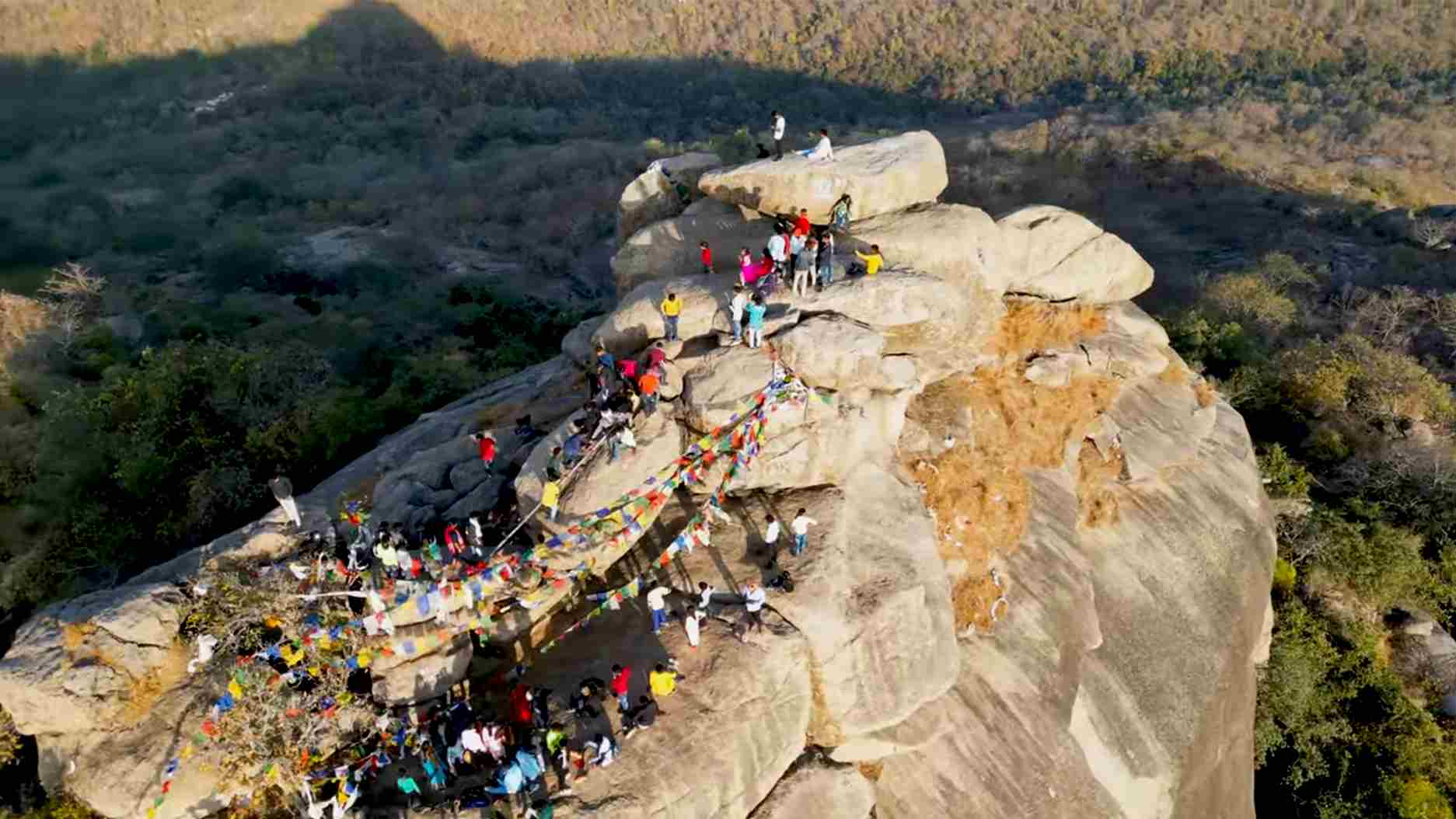
Explore Chokahatu Megalithic Site in Jharkhand, India’s largest megalithic burial ground. Learn about its history, cultural significance, Munda tribe traditions, architecture, tourism, and UNESCO heritage potential.
Chokahatu Megalithic Site
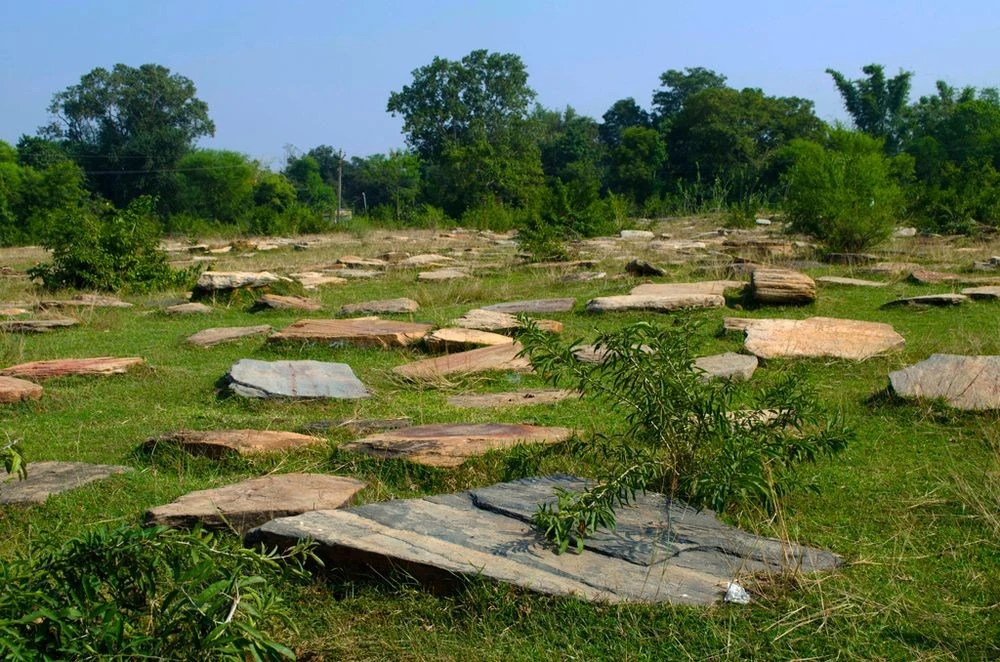
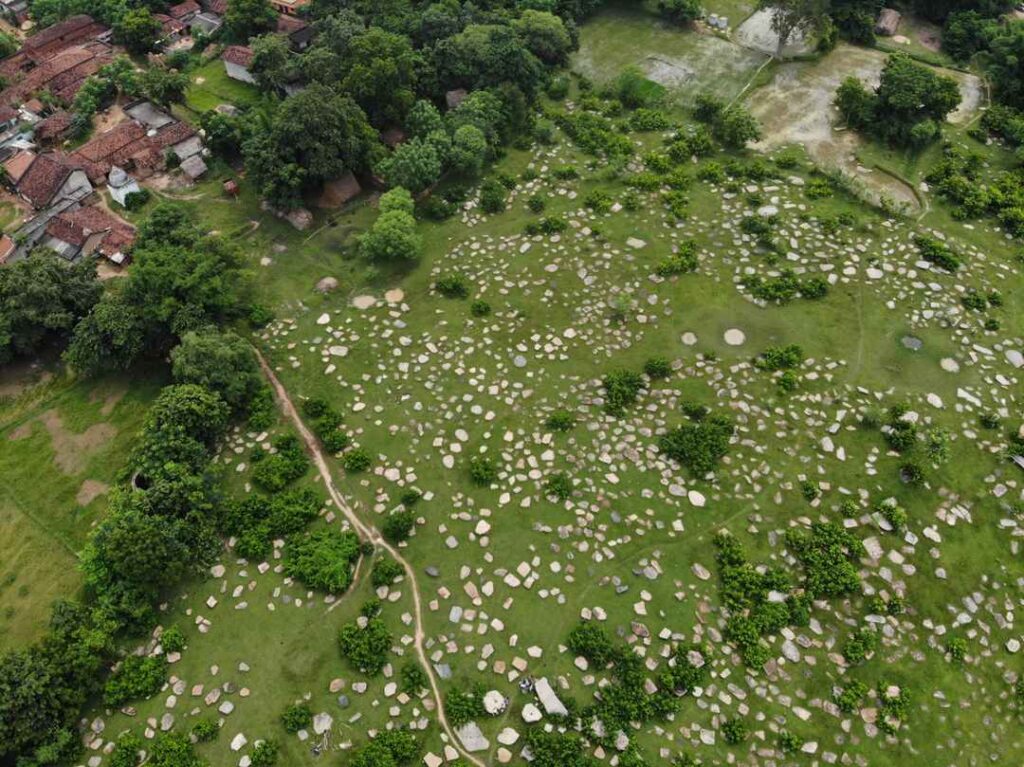
The Chokahatu Megalithic Site is one of the most remarkable archaeological and cultural heritage sites in India. Located in the Tamar–Sonahatu region of Jharkhand, this ancient megalithic burial ground is considered the largest megalithic site in the country. Spread across nearly eight acres of land and containing more than 8,000 stone monuments, Chokahatu represents a living tradition of ancestor worship practiced by the Munda tribal community for centuries.
Unlike many archaeological sites that belong solely to the past, Chokahatu remains an active cultural landscape where tribal communities continue to honor their ancestors through megalithic practices. This unique continuity between ancient traditions and modern tribal life makes the site one of the most important heritage destinations in eastern India.
Overview of Chokahatu Megalithic Site
| Particulars | Details |
|---|---|
| Name | Chokahatu Megalithic Site |
| Location | Sonahatu Block, Ranchi District, Jharkhand |
| Distance from Ranchi | Approximately 70–80 km |
| Type | Megalithic Burial Ground |
| Community Associated | Munda Tribe |
| Area Covered | Around 7–8 Acres |
| Number of Stones | More than 8,000 |
| Historical Importance | Largest Megalithic Site in India |
| Tourism Status | Major Archaeological and Cultural Destination |
| Special Feature | Living Megalithic Tradition |
What is a Megalith?
The term “Megalith” comes from two Greek words:
- Mega = Large
- Lithos = Stone
A megalith is a large stone structure erected by ancient communities for purposes such as:

- Burial
- Memorials
- Religious rituals
- Ancestor worship
- Territorial markers
Megalithic cultures existed across many parts of the world, including Europe, Africa, and Asia. In India, megalithic traditions are particularly visible in states such as Jharkhand, Odisha, Karnataka, Telangana, and Tamil Nadu.
History of Chokahatu
The history of Chokahatu dates back several centuries and is closely linked with the Munda tribal community.
According to local traditions, the Munda people settled in this region thousands of years ago and brought with them the practice of erecting memorial stones for deceased ancestors. Archaeologists believe the site has been used continuously for generations, making it one of the world’s rare examples of living megalithism.
The site was first documented during the British period after information was provided by T.F. Peppe. Later, British administrator and ethnographer E.T. Dalton visited the site and described its archaeological importance in the nineteenth century.
Today, Chokahatu serves as both an archaeological treasure and a sacred place for tribal communities.
Meaning of the Name Chokahatu
The word “Chokahatu” is believed to originate from the Austric-Mundari language.
According to local interpretations:
- Choka means mourning or grief.
- Hatu means village or place.
Thus, Chokahatu can be interpreted as:
“The Place of Mourning”
This name perfectly reflects the site’s historical role as a burial and memorial ground where ancestors are remembered and honored.
Geographical Location
Chokahatu is situated in the Sonahatu area of Ranchi district in Jharkhand.
The site is surrounded by:
- Green forests
- Rolling hills
- Agricultural fields
- Tribal settlements
Its natural surroundings add to its spiritual atmosphere and make it a fascinating destination for history lovers, archaeologists, photographers, and cultural researchers.
The Munda Tribe and Chokahatu
The Munda tribe is one of the oldest indigenous communities of Jharkhand.
Their cultural identity is deeply connected to:
- Nature worship
- Ancestor worship
- Community traditions
- Megalithic rituals
For the Munda people, ancestors remain an active part of community life even after death. Erecting memorial stones is considered a sacred responsibility.
The Chokahatu site reflects this belief system and demonstrates how tribal communities preserve their history through stone monuments rather than written records.
Unique Features of Chokahatu Megalithic Site
1. Largest Megalithic Burial Ground in India
One of the most striking features of Chokahatu is its immense size.
The site contains more than 8,000 stone monuments spread over several acres, making it one of the largest megalithic landscapes in South Asia.
2. Living Megalithism
Unlike many archaeological sites that are no longer used, Chokahatu continues to serve its traditional purpose.
Families still install memorial stones for deceased relatives, preserving a cultural practice that has survived for centuries.
3. Rich Tribal Heritage
The site represents the identity, beliefs, and customs of Jharkhand’s indigenous communities.
4. Archaeological Importance
Researchers study the site to understand:
- Ancient burial customs
- Tribal social structure
- Megalithic architecture
- Cultural continuity
Types of Megaliths Found at Chokahatu
Several forms of stone monuments can be seen at the site.
Dolmens
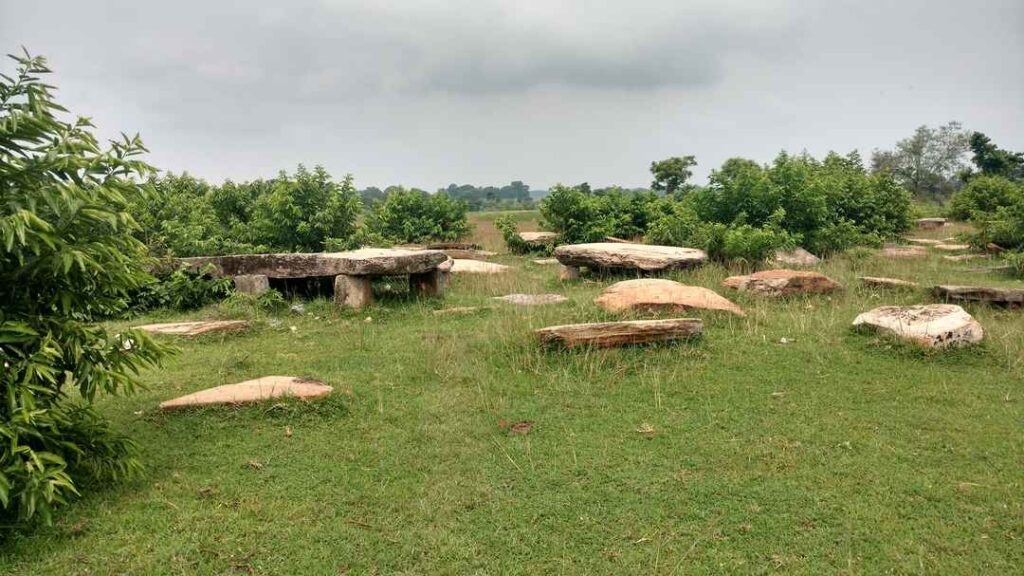
Dolmens are stone structures consisting of large slabs placed horizontally over supporting stones.
Among the Mundas, these are known as Sasandiri.
These structures are erected above cremated remains and serve as memorials.
Menhirs
Menhirs are large upright standing stones.
They symbolize:
- Ancestors
- Clan identity
- Community memory
Burial Slabs
Flat stone slabs cover burial locations and mark the resting places of deceased individuals.
Stone Circles
Circular arrangements of stones are believed to have ritualistic and commemorative significance.
Cairns
These are piles of stones constructed as memorial monuments.
Cultural Significance
Chokahatu is not merely an archaeological site.
It is a living cultural center where traditions continue to thrive.
The site serves as:
- A sacred burial ground
- A place of ancestral remembrance
- A symbol of tribal identity
- A repository of indigenous knowledge
For local communities, the stones represent family history and social continuity.
Religious Beliefs Associated with Chokahatu
The Munda belief system emphasizes respect for ancestors.
According to tribal traditions:
- Ancestors protect future generations.
- Memorial stones preserve their memory.
- Rituals strengthen community bonds.
- Sacred landscapes connect humans with nature.
This worldview is reflected in every stone monument found at Chokahatu.
Archaeological Importance
Archaeologists regard Chokahatu as one of India’s most important megalithic sites.
The site provides evidence of:
- Ancient tribal settlements
- Burial practices
- Social organization
- Ritual traditions
Researchers have identified various stone structures that reveal the complexity of megalithic culture in eastern India.
Chokahatu and UNESCO World Heritage Status
Several researchers and heritage activists have advocated for UNESCO recognition of Chokahatu.
The site is considered a strong candidate because of:
- Its massive scale
- Continuous cultural use
- Unique tribal heritage
- Archaeological significance
Experts believe that recognition would help preserve the site and promote international awareness of India’s tribal heritage.
Tourism Potential of Chokahatu
Chokahatu has tremendous tourism potential.
It attracts:
- Historians
- Archaeologists
- Students
- Photographers
- Cultural tourists
- Researchers
Visitors can explore thousands of stone monuments while learning about tribal traditions that remain alive today.
Best Time to Visit Chokahatu
Winter (October to February)
The ideal season for tourism.
Advantages:
- Pleasant weather
- Comfortable sightseeing
- Clear photography conditions
Monsoon (July to September)
The surrounding landscape becomes lush and green.
Summer (March to June)
Can be hot during daytime but still accessible.
How to Reach Chokahatu
By Air
Nearest Airport:
- Birsa Munda Airport
By Train
Nearest Railway Station:
- Ranchi Railway Station
By Road
Regular buses and taxis connect Ranchi with Sonahatu and nearby villages.
Nearby Tourist Attractions
Panch Gagh Falls
Known for its five-stream waterfall.
Dassam Falls
One of the most famous waterfalls in Jharkhand.
Sun Temple Ranchi
A beautiful temple dedicated to the Sun God.
Jonha Falls
Popular for scenic beauty and photography.
Conservation Challenges
Despite its importance, Chokahatu faces several challenges:
- Lack of awareness
- Encroachment
- Environmental degradation
- Insufficient infrastructure
- Limited archaeological protection
Experts stress the need for conservation efforts to protect this invaluable heritage site.
Why Chokahatu Matters
Chokahatu is important because it demonstrates:
- Continuity of ancient traditions.
- Rich tribal heritage.
- Archaeological significance.
- Indigenous knowledge systems.
- Cultural diversity of India.
The site serves as a bridge between the past and present, showing how communities preserve their history through living traditions.
FAQs About Chokahatu Megalithic Site
1. Where is Chokahatu Megalithic Site located?
It is located in Sonahatu Block of Ranchi district, Jharkhand.
2. Why is Chokahatu famous?
It is famous for being India’s largest megalithic burial ground.
3. How many stones are present at Chokahatu?
More than 8,000 megalithic stones are present.
4. Which tribe is associated with Chokahatu?
The site is associated with the Munda tribe.
5. What are Sasandiris?
Sasandiris are dolmens built over cremated remains as memorial monuments.
6. Is Chokahatu still used today?
Yes, it remains a living megalithic site.
7. Is Chokahatu a UNESCO World Heritage Site?
No, but it has been proposed for UNESCO recognition.
8. What is the best time to visit?
October to February is the best time.
9. How far is Chokahatu from Ranchi?
Approximately 70–80 kilometers.
10. Why is Chokahatu important for archaeology?
It provides valuable evidence of ancient tribal burial traditions and cultural continuity.
Conclusion
The Chokahatu Megalithic Site stands as one of India’s most extraordinary archaeological and cultural treasures. Located in the heart of Jharkhand, this vast landscape of more than 8,000 megalithic stones tells the story of the Munda tribe’s enduring connection with their ancestors. As India’s largest megalithic burial ground and a rare example of living megalithism, Chokahatu deserves greater recognition, preservation, and promotion. Whether you are a traveler, historian, archaeologist, or culture enthusiast, a visit to Chokahatu offers a unique opportunity to experience an ancient tradition that continues to thrive in the modern world.
About Us – JharTravel
Welcome to JharTravel — your trusted travel companion for discovering the hidden beauty, culture, history, and tourism of Jharkhand and across India.
My name is Md Mokarram, and I am proudly from Jharkhand. I created JharTravel with a simple mission: to help travelers explore the real beauty of Jharkhand, Bihar, and other amazing destinations through authentic travel guides, hotel information, food blogs, pilgrimage details, and local experiences.
At JharTravel, we believe that every destination has a unique story. From waterfalls, hills, temples, and forests to street food, local culture, and budget travel tips — we provide informative and easy-to-understand travel content for every type of traveler.
Our website covers:
- Travel guides for famous and hidden destinations
- Tourist places in Jharkhand, Bihar, and India
- Hotels, lodges, and homestay recommendations
- Religious and pilgrimage travel guides
- Street food and local cuisine blogs
- Travel tips, itineraries, and budget guides
- SEO-friendly and regularly updated travel articles
Whether you are planning a family trip, solo adventure, spiritual journey, or weekend getaway, JharTravel helps you make your journey easier and more memorable.
As a traveler and blogger from Jharkhand, I personally enjoy exploring new places and sharing genuine travel experiences with readers. Every article on JharTravel is written with passion, research, and the goal of helping travelers discover the beauty of India.
Thank you for visiting JharTravel and being part of this travel journey.
Contact Information
- Founder: Md Mokarram
- Website: https://jhartravel.com/
- Location: Jharkhand
“Final Two Words”
Thank you for visiting JharTravel, a travel platform created with passion and dedication by Md Mokarram from Jharkhand. Our goal is to provide helpful, accurate, and easy-to-read travel information for travelers who want to explore the beauty of Jharkhand. From hidden tourist spots and religious places to hotels, food, and travel tips, we aim to make every journey memorable and budget-friendly. We truly appreciate your support and trust in our content. Keep exploring new destinations with JharTravel and make every trip an unforgettable experience filled with adventure, culture, and beautiful memories.
- 1 Explore Chokahatu Megalithic Site in Jharkhand, India’s largest megalithic burial ground. Learn about its history, cultural significance, Munda tribe traditions, architecture, tourism, and UNESCO heritage potential.
- 2 What is a Megalith?
- 3 History of Chokahatu
- 4 Meaning of the Name Chokahatu
- 5 Geographical Location
- 6 The Munda Tribe and Chokahatu
- 7 1. Largest Megalithic Burial Ground in India
- 8 Cultural Significance
- 9 Religious Beliefs Associated with Chokahatu
- 10 Archaeological Importance
- 11 Chokahatu and UNESCO World Heritage Status
- 12 Best Time to Visit Chokahatu
- 13 Conservation Challenges
- 14 FAQs About Chokahatu Megalithic Site
- 15 Conclusion
- 16 About Us – JharTravel
- 17 “Final Two Words”