Explore Betla Fort in Jharkhand with this complete travel guide. Learn about its history, architecture, timings, entry fee, nearby attractions, how to reach, and travel tips.
Betla Fort is one of the most fascinating historical attractions in Jharkhand. Located inside the famous Betla National Park, this ancient fort stands as a reminder of the glorious rule of the Chero dynasty. Surrounded by dense forests, hills, and wildlife, Betla Fort offers visitors a unique combination of history, nature, and adventure.
The fort is believed to have been constructed during the 16th century and served as an important military stronghold of the Chero kings. Today, although much of the structure lies in ruins, it continues to attract tourists, historians, photographers, and nature lovers from across India. The fort’s strategic location amidst forests provided natural protection against enemy invasions and helped the rulers maintain control over the region.
For travelers visiting Betla National Park, a trip to Betla Fort is considered essential. The panoramic views from the fort, the surrounding wilderness, and the rich historical significance make it one of the most rewarding destinations in Jharkhand.
History of Betla Fort
The history of Betla Fort is closely linked to the Chero dynasty, which ruled large parts of the Palamau region during the medieval period. The Chero rulers were known for their bravery, administrative skills, and architectural achievements.

Historical records suggest that the fort was built during the 16th century and later became a major center of power for the Chero kings. It served as a defensive structure that protected the kingdom from external attacks. The fort witnessed several invasions by Mughal forces during the reigns of different emperors from Akbar to Aurangzeb.
The region around Betla was strategically important because it connected various trade and military routes. The fort was designed to provide a commanding view of the surrounding landscape, allowing soldiers to detect approaching enemies from a distance.
During the Mughal era, several attempts were made to capture the fort. Although the Chero rulers resisted many attacks, the political landscape eventually changed, leading to the decline of their power. Later, British colonial forces gained control of the region, and the fort gradually lost its military significance.
Today, the ruins of Betla Fort continue to narrate stories of courage, warfare, and royal heritage.
Connection with Palamau Fort
Many travelers often confuse Betla Fort with the famous Palamau Fort because both are located within the forested region of Betla.
The Palamau Fort complex consists of two forts—an older fort and a newer fort. These forts are among the most significant archaeological monuments in Jharkhand and are associated with the Chero dynasty. The structures are located near the Auranga River and remain major tourist attractions within the Betla region.
Many tourists visiting Betla Fort also explore the Palamau Forts due to their close proximity and shared historical significance.
Architecture of Betla Fort
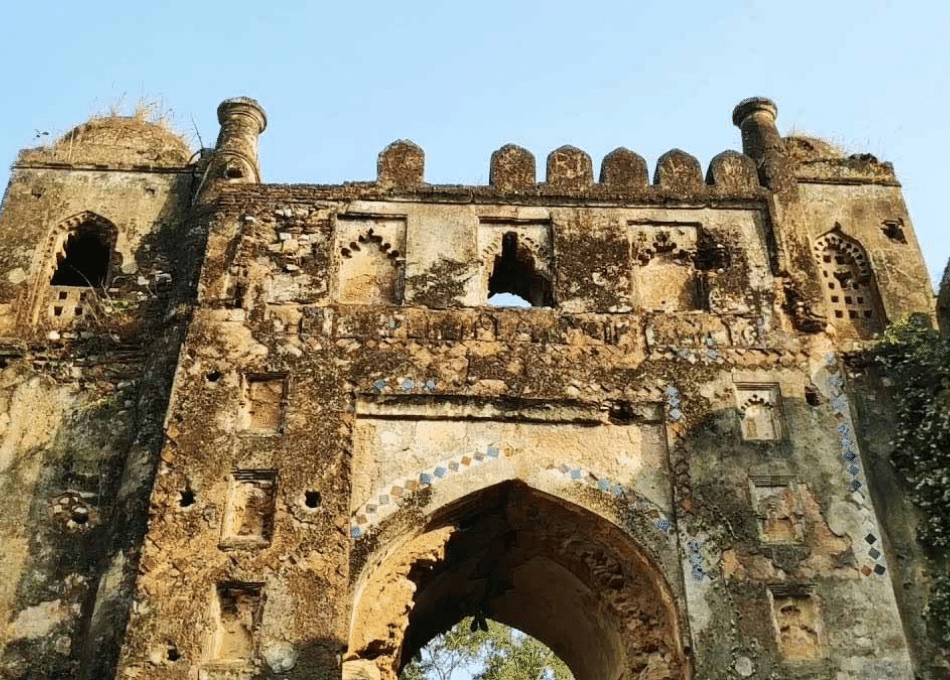
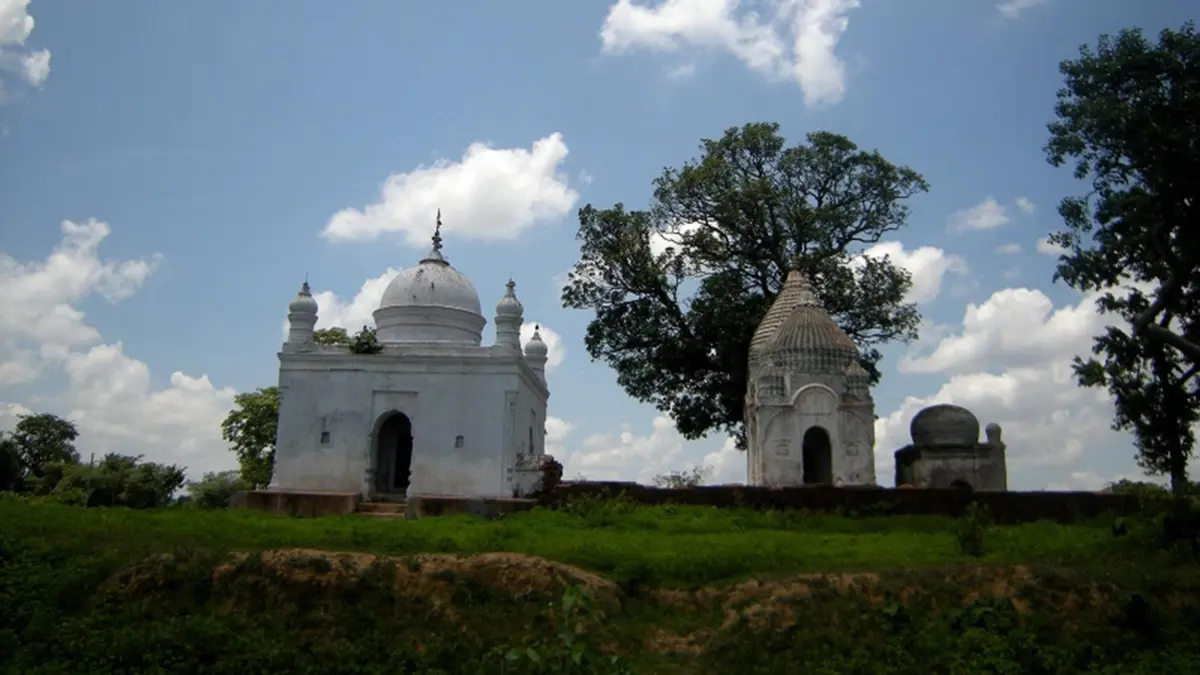
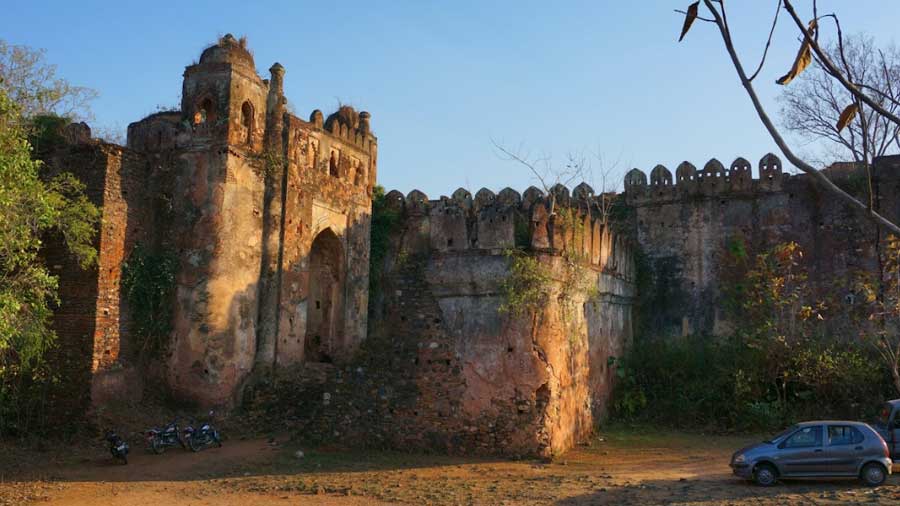
The architectural design of Betla Fort reflects the military requirements of medieval India. Although much of the structure has deteriorated over time, several architectural features can still be observed.
Massive Stone Construction
The fort was built using locally available stones and durable construction materials. Thick walls provided strong defense against enemy attacks and natural disasters.
Elevated Location
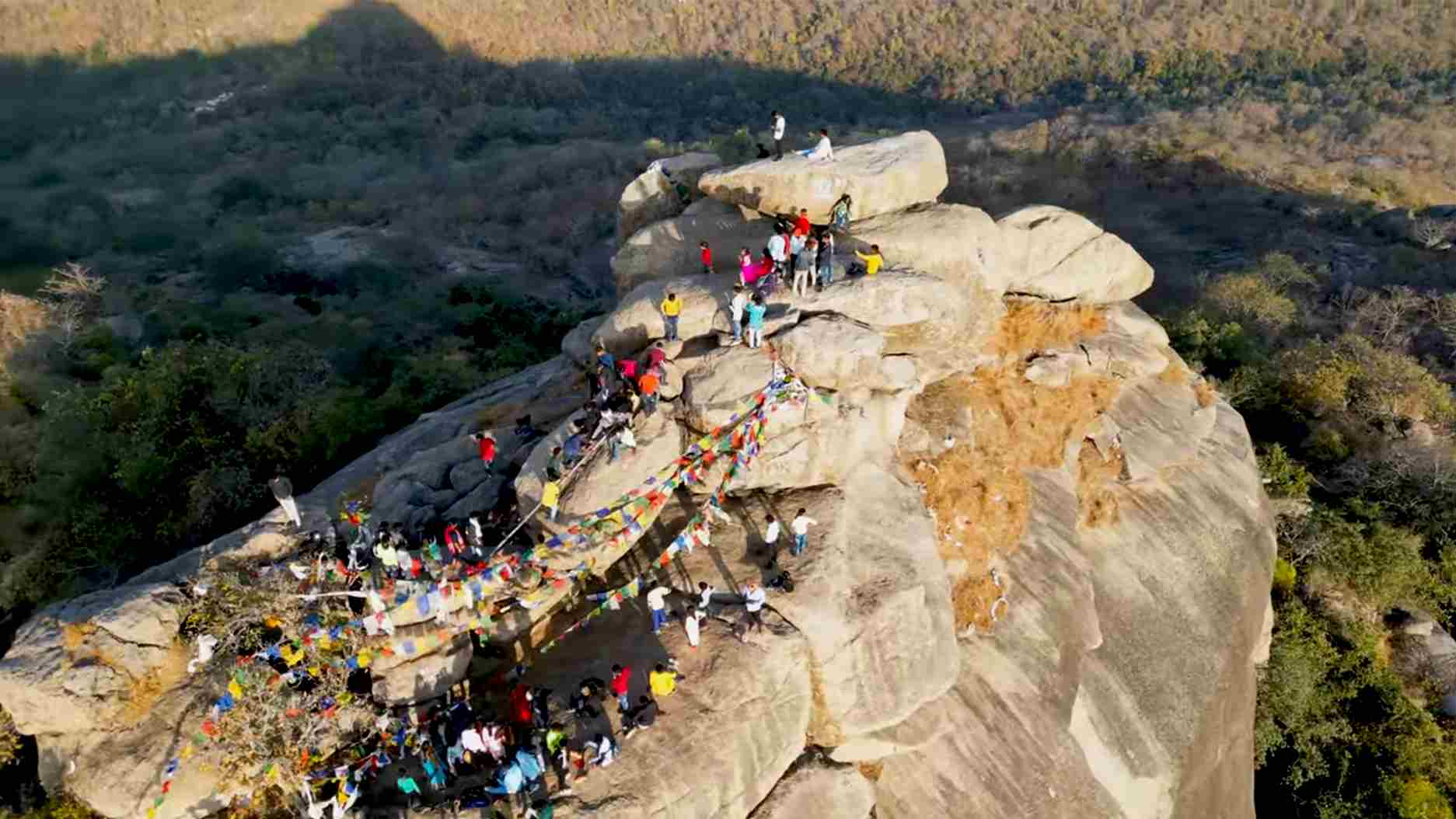
One of the most remarkable features of the fort is its elevated position. Situated approximately 120 meters above the surrounding landscape, the fort offered excellent visibility and strategic advantage during battles.
Defensive Design
The fort was designed to withstand invasions. Its layout included watchtowers, gateways, defensive walls, and protected pathways.
Royal Quarters
Historians believe that portions of the fort complex were used as residential areas for the ruling family and administrative officials.
Observation Points
Several sections of the fort provided panoramic views of the forests and valleys, allowing soldiers to monitor activities in the surrounding region.

Importance of Betla Fort
Betla Fort holds immense importance from historical, cultural, and tourism perspectives.
Historical Importance
The fort represents the power and influence of the Chero dynasty in eastern India.
Cultural Significance
It serves as a symbol of Jharkhand’s rich heritage and tribal history.
Tourism Value
Thousands of tourists visit the fort every year while exploring Betla National Park and nearby attractions.
Educational Importance
The site provides valuable insights into medieval military architecture and regional history.
Betla National Park and Betla Fort
One of the biggest advantages of visiting Betla Fort is its location within the famous Betla National Park.
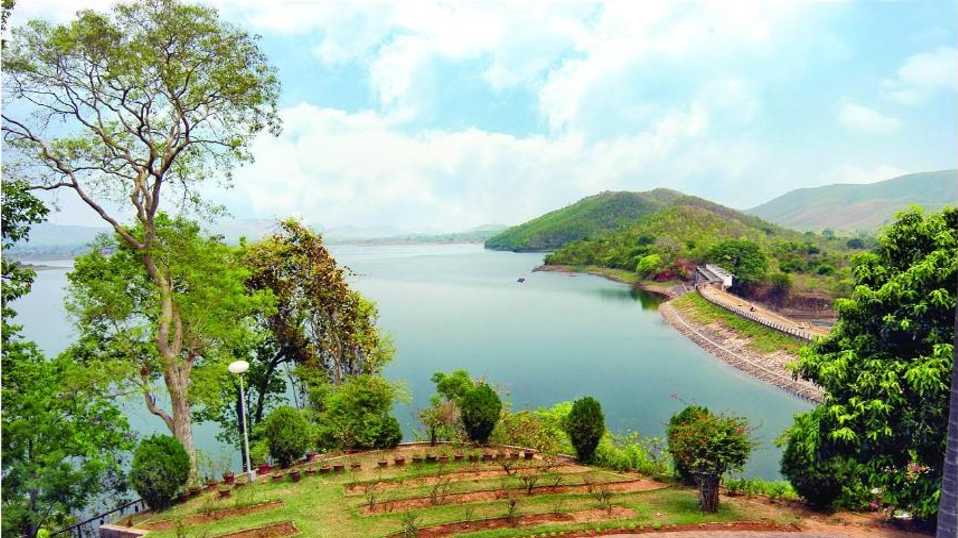
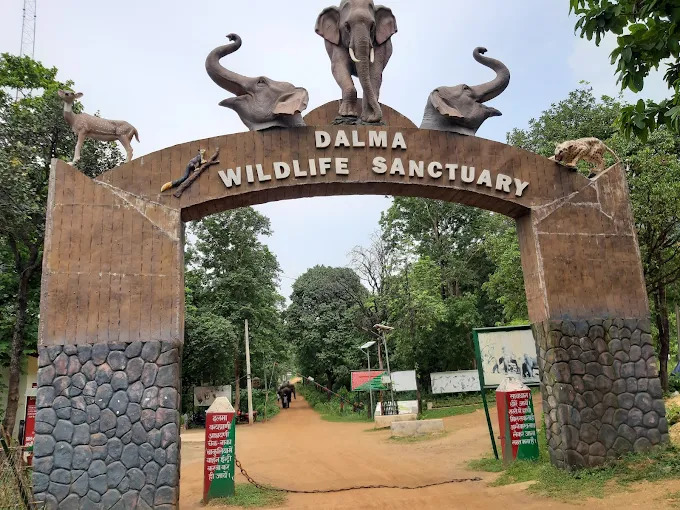
Betla National Park is among India’s earliest tiger reserves and is known for its rich biodiversity. The park is home to elephants, deer, leopards, sloth bears, monkeys, and numerous bird species.
Visitors can enjoy:
- Jeep safaris
- Wildlife photography
- Bird watching
- Nature walks
- Forest exploration
- Historical sightseeing
The combination of wildlife and heritage makes Betla one of Jharkhand’s most unique tourist destinations.

Best Time to Visit Betla Fort
Winter Season (October to March)
This is the ideal time to visit Betla Fort. Pleasant weather makes sightseeing comfortable.
Temperature
10°C to 25°C
Advantages
- Clear views
- Comfortable trekking
- Better wildlife sightings
- Ideal photography conditions
Monsoon Season (July to September)
The surrounding forests become lush green and beautiful. However, climbing may become slippery.
Summer Season (April to June)
Temperatures can be high, making outdoor exploration less comfortable.
How to Reach Betla Fort
By Air
The nearest airport is:
Birsa Munda Airport
Distance: Approximately 170 km
From the airport, taxis and buses are available to Betla.
By Train
Nearest railway stations:
- Daltonganj Railway Station
- Latehar Railway Station
By Road
Betla is well connected by road from:
- Ranchi
- Latehar
- Medininagar
Regular buses and private taxis operate throughout the year.
Entry Fee and Timings
Visitors generally enter through Betla National Park.
Timings
- Morning: 6:00 AM onwards
- Evening: Before sunset
Entry Fee
Fees may vary according to forest department regulations and safari packages. Visitors should verify current charges before planning their trip.
Major Attractions Near Betla Fort
Palamau Fort
The most famous historical attraction near Betla.
Betla National Park
Known for wildlife safaris and natural beauty.
Koel River
A scenic river flowing through the region.
Mirchaiya Falls
A beautiful waterfall surrounded by forests.
Netarhat
Popular hill station known as the Queen of Chotanagpur.
Things to Do at Betla Fort
Explore Historical Ruins
Walk through the remains of the ancient fort and learn about its history.
Photography
Capture stunning views of forests and historical structures.
Wildlife Observation
Spot animals and birds in nearby forest areas.
Trekking
Enjoy a short trek to the fort.
Nature Exploration
Experience the natural beauty of Jharkhand’s forests.
Travel Tips for Visitors
- Wear comfortable trekking shoes.
- Carry drinking water.
- Visit during winter for the best experience.
- Hire a local guide if available.
- Avoid climbing unstable structures.
- Carry a camera for photography.
- Follow forest department guidelines.
- Avoid littering inside the park.
- Start early in the morning.
- Keep binoculars for wildlife spotting.
Why Betla Fort is Famous
Betla Fort is famous because of:
- Rich Chero dynasty history
- Location inside Betla National Park
- Ancient military architecture
- Scenic forest surroundings
- Wildlife tourism opportunities
- Historical importance in Jharkhand
The fort successfully combines heritage tourism with eco-tourism, making it one of the most unique destinations in eastern India.
FAQs About Betla Fort
1. Where is Betla Fort located?
Betla Fort is located in Latehar district of Jharkhand within the Betla National Park area.
2. Who built Betla Fort?
The fort is associated with the Chero dynasty and was built during the 16th century.
3. Why is Betla Fort famous?
It is famous for its historical significance, Chero dynasty heritage, and location within Betla National Park.
4. What is the best time to visit Betla Fort?
October to March is considered the best time.
5. Is trekking required to reach the fort?
Yes, a short climb is required to reach certain sections of the fort.
6. Is Betla Fort suitable for family trips?
Yes, families can enjoy both the fort and wildlife attractions.
7. Can I visit Betla Fort and Betla National Park on the same day?
Yes, both attractions are located close to each other.
8. How far is Betla Fort from Ranchi?
Approximately 170 km.
9. Is there an entry fee?
Entry is generally covered under Betla National Park regulations.
10. What wildlife can be seen near Betla Fort?
Deer, elephants, monkeys, birds, and other forest animals can often be spotted nearby.
About Us – JharTravel
Welcome to JharTravel — your trusted travel companion for discovering the hidden beauty, culture, history, and tourism of Jharkhand and across India.
My name is Md Mokarram, and I am proudly from Jharkhand. I created JharTravel with a simple mission: to help travelers explore the real beauty of Jharkhand, Bihar, and other amazing destinations through authentic travel guides, hotel information, food blogs, pilgrimage details, and local experiences.
At JharTravel, we believe that every destination has a unique story. From waterfalls, hills, temples, and forests to street food, local culture, and budget travel tips — we provide informative and easy-to-understand travel content for every type of traveler.
Our website covers:
- Travel guides for famous and hidden destinations
- Tourist places in Jharkhand, Bihar, and India
- Hotels, lodges, and homestay recommendations
- Religious and pilgrimage travel guides
- Street food and local cuisine blogs
- Travel tips, itineraries, and budget guides
- SEO-friendly and regularly updated travel articles
Whether you are planning a family trip, solo adventure, spiritual journey, or weekend getaway, JharTravel helps you make your journey easier and more memorable.
As a traveler and blogger from Jharkhand, I personally enjoy exploring new places and sharing genuine travel experiences with readers. Every article on JharTravel is written with passion, research, and the goal of helping travelers discover the beauty of India.
Thank you for visiting JharTravel and being part of this travel journey.
Contact Information
- Founder: Md Mokarram
- Website: https://jhartravel.com/
- Location: Jharkhand
“Final Two Words”
Thank you for visiting JharTravel, a travel platform created with passion and dedication by Md Mokarram from Jharkhand. Our goal is to provide helpful, accurate, and easy-to-read travel information for travelers who want to explore the beauty of Jharkhand. From hidden tourist spots and religious places to hotels, food, and travel tips, we aim to make every journey memorable and budget-friendly. We truly appreciate your support and trust in our content. Keep exploring new destinations with JharTravel and make every trip an unforgettable experience filled with adventure, culture, and beautiful memories.
- 1 Explore Betla Fort in Jharkhand with this complete travel guide. Learn about its history, architecture, timings, entry fee, nearby attractions, how to reach, and travel tips.
- 2 Connection with Palamau Fort
- 3 Architecture of Betla Fort
- 4 Massive Stone Construction
- 5 Elevated Location
- 6 Defensive Design
- 7 Royal Quarters
- 8 Observation Points
- 9 Importance of Betla Fort
- 10 Betla National Park and Betla Fort
- 11 Best Time to Visit Betla Fort
- 12 Winter Season (October to March)
- 13 Monsoon Season (July to September)
- 14 Summer Season (April to June)
- 15 How to Reach Betla Fort
- 16 By Air
- 17 By Train
- 18 By Road
- 19 Entry Fee and Timings
- 20 Major Attractions Near Betla Fort
- 21 Palamau Fort
- 22 Betla National Park
- 23 Koel River
- 24 Mirchaiya Falls
- 25 Netarhat
- 26 Things to Do at Betla Fort
- 27 Travel Tips for Visitors
- 28 Why Betla Fort is Famous
- 29 FAQs About Betla Fort
- 30 About Us – JharTravel
- 31 “Final Two Words”