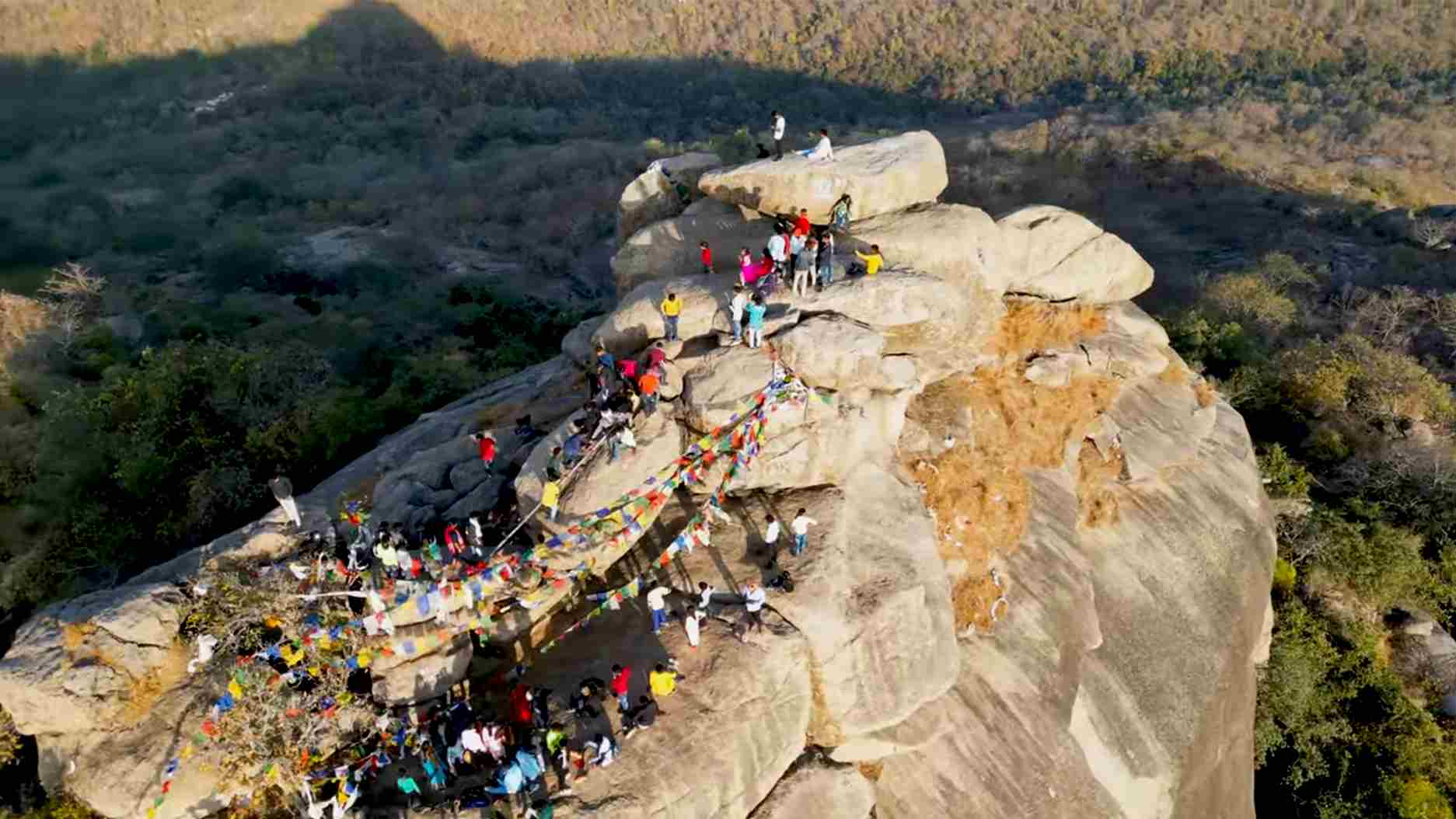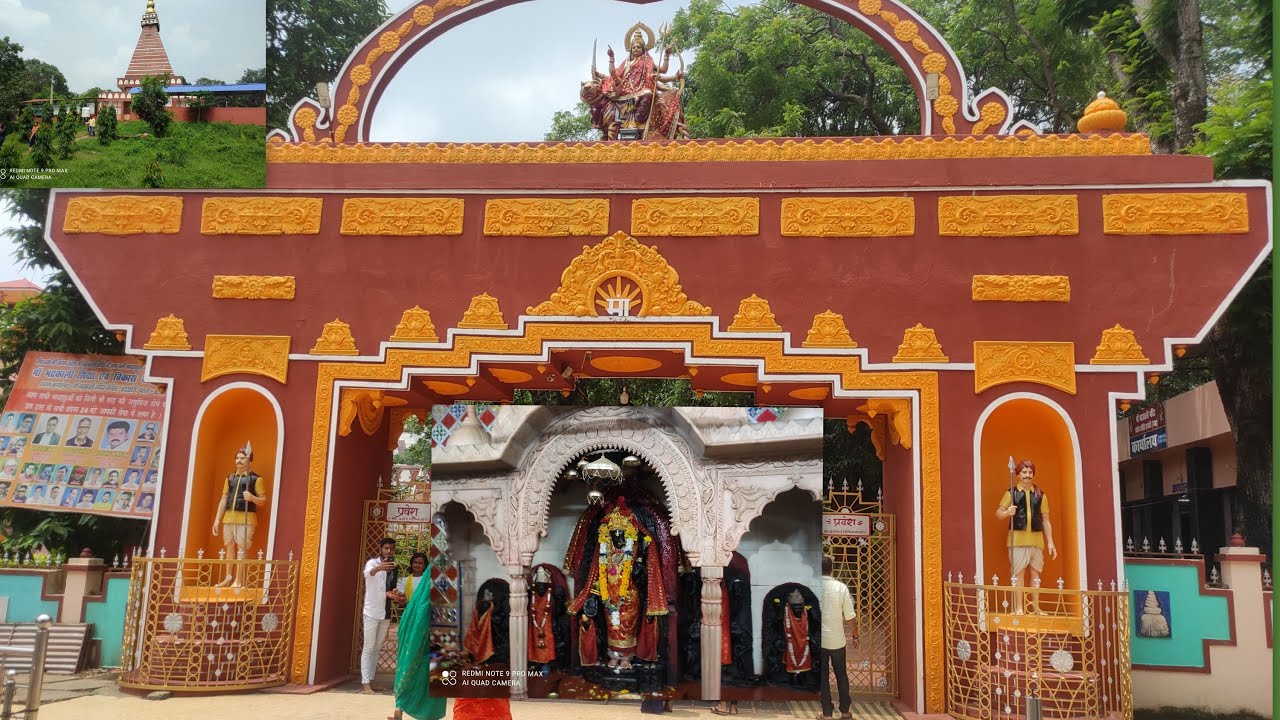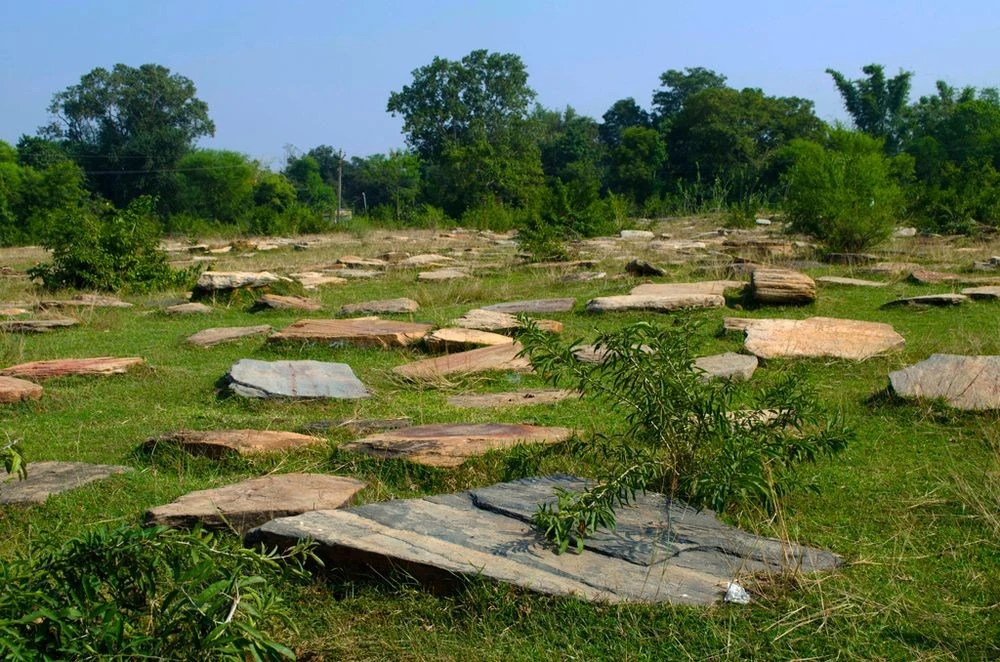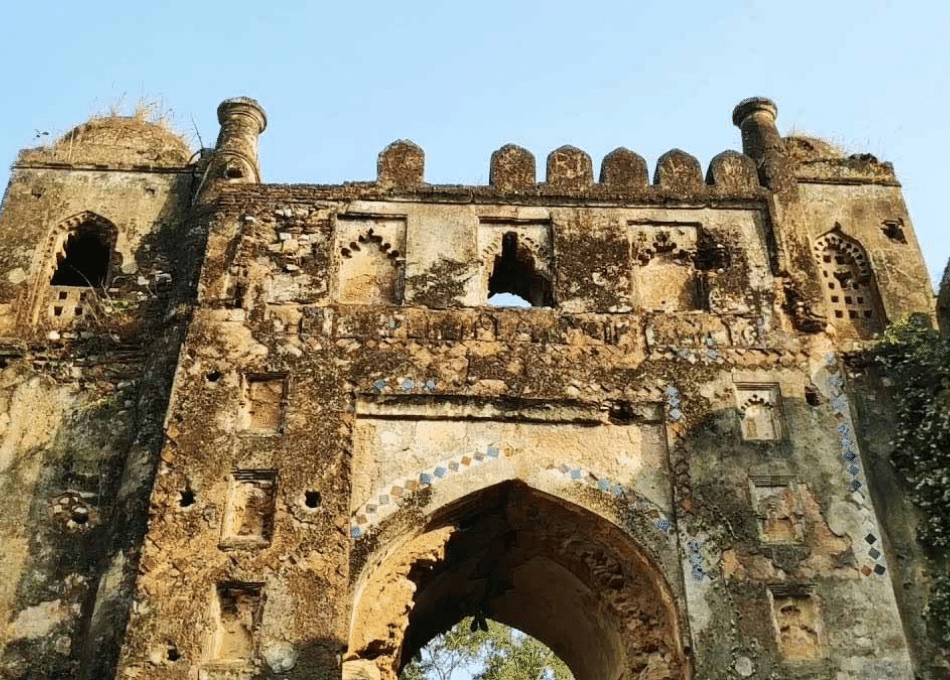
Explore Maluti Temple in Jharkhand, a heritage village famous for its terracotta temples. Learn about history, architecture, timings, how to reach, best time to visit, and travel tips.
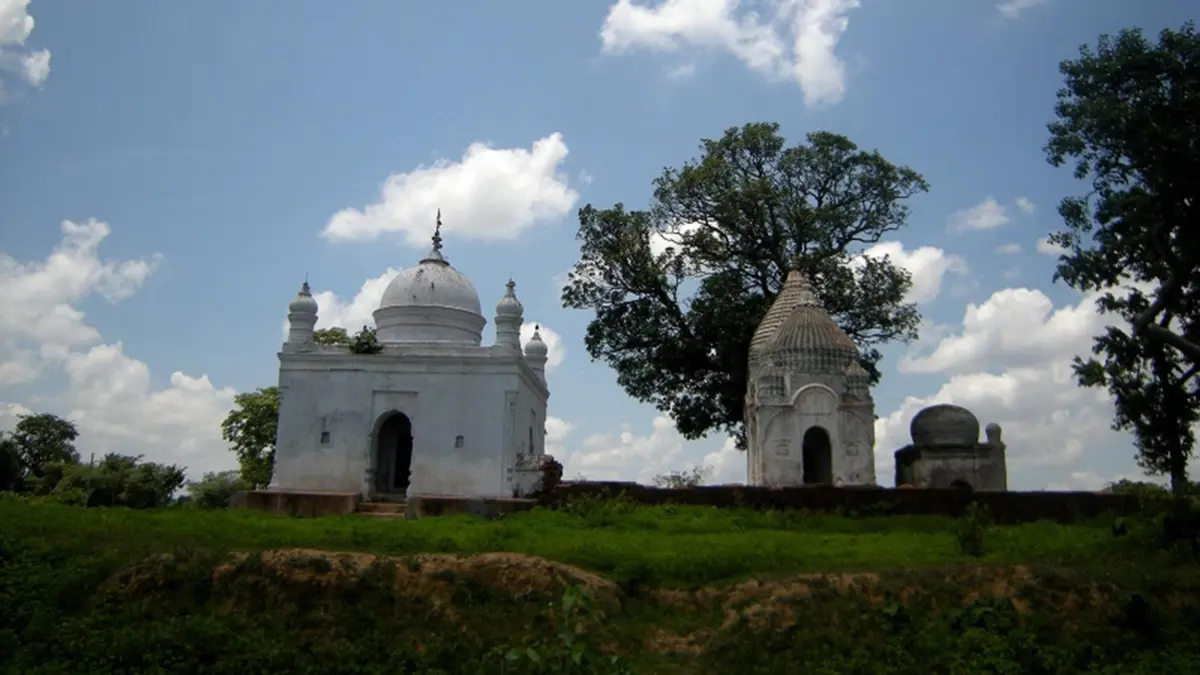
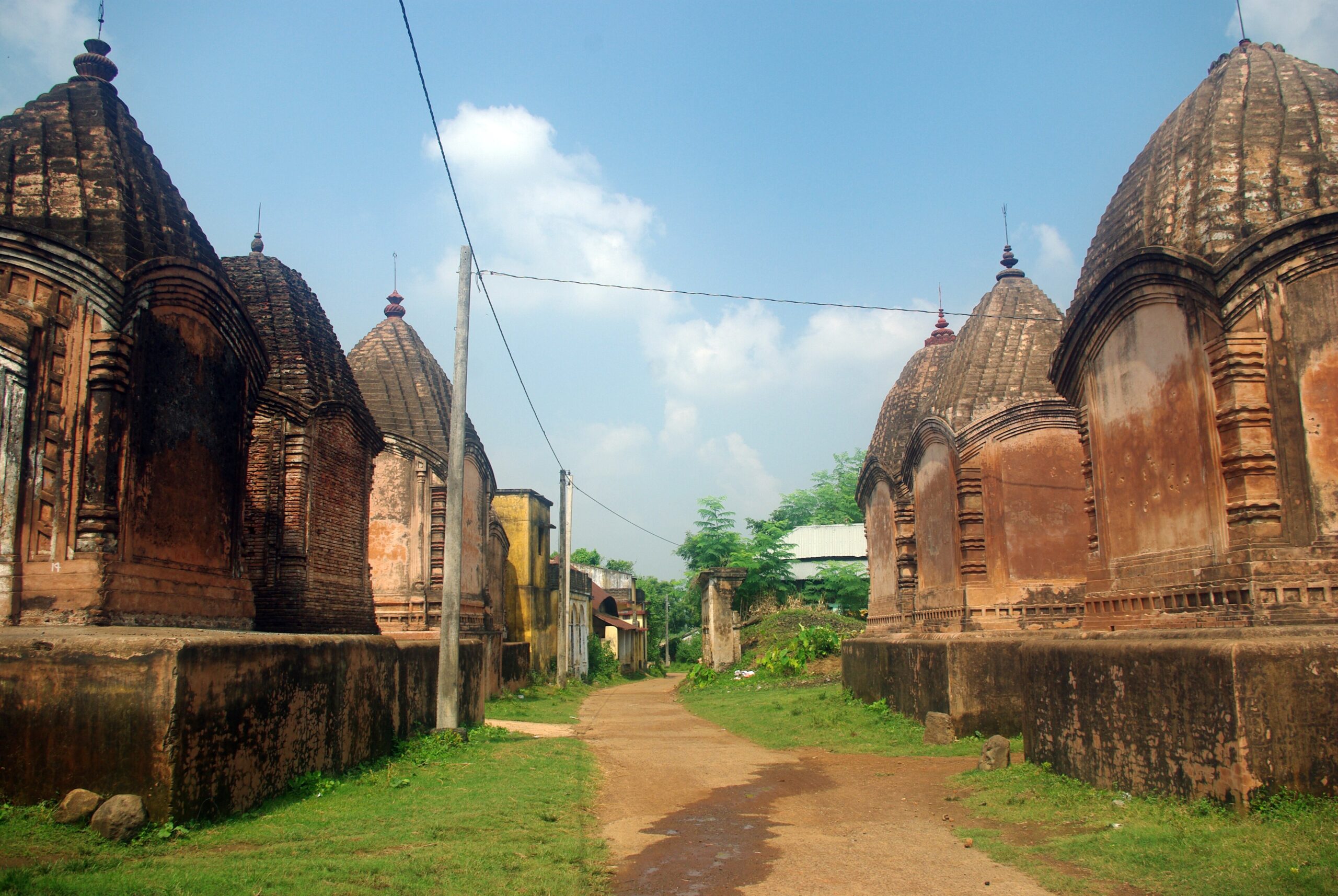
Hidden in the Dumka district of Jharkhand, the historic village of Maluti is one of India’s most fascinating yet lesser-known heritage destinations. Known as the “Temple Village of Jharkhand,” Maluti is home to dozens of ancient terracotta temples that showcase extraordinary craftsmanship, religious significance, and architectural brilliance.
Once containing 108 temples, around 72 temples survive today, making Maluti one of the largest temple clusters in eastern India. The village is often called the “Gupta Kashi” or Hidden Varanasi because of its spiritual importance and remarkable concentration of temples. The temples were built between the 17th and 19th centuries by the rulers of the Baj Basanta dynasty and are renowned for their intricate terracotta carvings depicting scenes from Hindu mythology.
Overview of Maluti Temple
| Particular | Details |
|---|---|
| Location | Maluti Village, Dumka District, Jharkhand |
| Famous For | Terracotta Temples |
| Number of Existing Temples | Around 72 |
| Original Number of Temples | 108 |
| Main Deity | Maa Mauliksha |
| Architectural Style | Bengal Terracotta Temple Architecture |
| Built By | Baj Basanta Dynasty |
| Construction Period | 17th–19th Century |
| Nearest Railway Station | Rampurhat |
| Best Time to Visit | October to March |
Where is Maluti Temple Located?
Maluti village is situated in the Dumka district of Jharkhand near the border of West Bengal. The village lies approximately 55 km from Dumka and about 16 km from Rampurhat in West Bengal. The Chila River flows near the village, adding scenic beauty to the surroundings.
Nearby Cities
- Dumka – 55 km
- Rampurhat – 16 km
- Deoghar – 110 km
- Kolkata – 240 km approximately
The village is surrounded by green fields, forests, and rural landscapes, making it a peaceful destination for history lovers and photographers.

History of Maluti Temple
The history of Maluti is deeply connected with the legendary story of Raja Baj Basanta.
According to historical records, a Brahmin named Basanta impressed Sultan Alauddin Husain Shah of Bengal by returning his lost pet hawk. In gratitude, the Sultan awarded him a tax-free kingdom known as Nankar Raj. Basanta later became known as Raja Baj Basanta. Instead of building luxurious palaces, he focused on constructing temples dedicated to various Hindu deities.
Over time, his descendants continued this tradition and built numerous temples throughout the village. Eventually, the kingdom was divided among family branches, resulting in different groups of temples being constructed across Maluti.
The temples were primarily dedicated to:
- Lord Shiva
- Goddess Kali
- Goddess Durga
- Lord Vishnu
- Maa Mauliksha
The temple complex remained relatively unknown until archaeologists brought attention to its significance during the late twentieth century.
The Story of Maa Mauliksha Temple
Among all temples in Maluti, the most important is the temple dedicated to Maa Mauliksha.
Maa Mauliksha is regarded as the guardian deity of Maluti and the family goddess of the Baj Basanta dynasty. The temple attracts thousands of devotees during religious festivals, especially Kali Puja.
The spiritual significance of Maa Mauliksha Temple extends beyond Jharkhand, drawing pilgrims from neighboring West Bengal and Bihar.
Architecture of Maluti Temples
Unique Terracotta Art
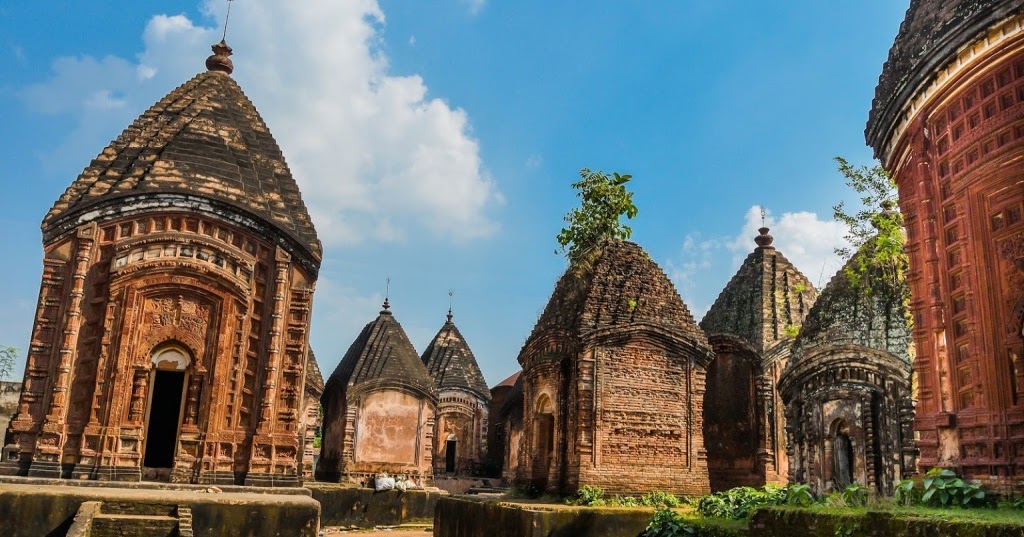
The biggest attraction of Maluti is its magnificent terracotta artwork.
The temple walls feature:
- Ramayana scenes
- Mahabharata episodes
- Images of gods and goddesses
- Floral patterns
- Mythological creatures
- Social life depictions
The intricate carvings demonstrate the exceptional skills of Bengal artisans who worked on these structures.
Bengal Temple Architecture
The temples display traditional Bengal architectural styles including:
- Chala Style
- Do-Chala
- Char-Chala
- Dalan Style
- Rekha Deul Style
These styles were inspired by traditional Bengali huts with curved roofs and later evolved into temple structures.
Construction Materials
The temples were mainly built using:
- Terracotta bricks
- Lime mortar
- Clay materials
- Traditional masonry techniques
Many temples have survived centuries of weathering due to the durability of these traditional construction methods.
Major Attractions in Maluti
1. Maa Mauliksha Temple
The most revered temple in the village and a major pilgrimage center.
2. Terracotta Temple Clusters
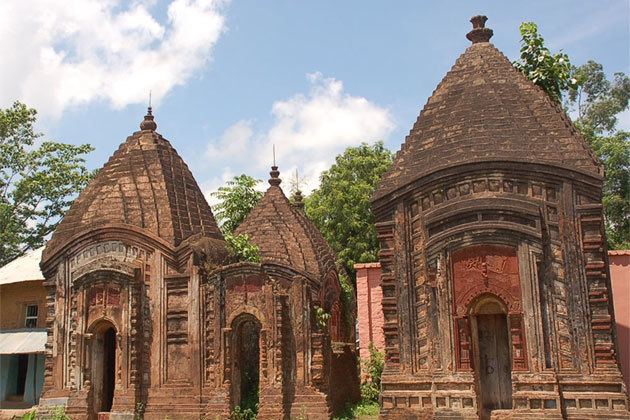
The temples are grouped into several clusters that showcase different architectural styles and periods of construction.
3. Mythological Panels
Beautiful carvings illustrating stories from Hindu epics attract historians and photographers.
4. Heritage Village Experience
Visitors can experience authentic rural Jharkhand culture alongside historical exploration.
5. Scenic Landscape
The village’s natural beauty enhances the spiritual atmosphere of the temple complex.
Religious Significance
Maluti serves as an important center of Shakta and Shaiva traditions.
The temples represent a unique blend of:
- Hindu worship practices
- Tantric traditions
- Regional folk beliefs
- Bengal cultural influence
Devotees visit throughout the year to seek blessings and participate in religious ceremonies.
Festivals Celebrated at Maluti
Kali Puja
The biggest festival celebrated in Maluti. Thousands of devotees gather for special prayers and rituals.
Durga Puja
A major cultural and religious event attracting visitors from nearby regions.
Shivratri
Dedicated to Lord Shiva, celebrated with great devotion.
Navratri
Nine days of worship dedicated to the divine feminine.
These festivals provide an opportunity to witness the living traditions associated with the temple complex.
Why Maluti is Called the Temple Village
Maluti is often referred to as the Temple Village because very few villages in India possess such a large concentration of temples within a small geographical area.
Originally containing 108 temples and still preserving around 72 structures, the village stands as a remarkable example of community-driven temple construction and religious dedication.
Conservation and Heritage Importance
The Maluti temples face challenges due to aging structures, weather conditions, and limited conservation resources.
International heritage organizations have recognized the importance of preserving this unique cultural treasure. The temple complex has been highlighted among endangered heritage sites requiring conservation efforts.
Recent restoration initiatives have focused on:
- Structural repairs
- Preservation of terracotta artwork
- Tourism development
- Community participation
These efforts aim to ensure that future generations can continue to appreciate this extraordinary heritage.
Best Time to Visit Maluti Temple
Winter (October to March)
This is the ideal season for visiting.
Advantages:
- Pleasant weather
- Comfortable sightseeing
- Festival celebrations
- Better photography opportunities
Monsoon (July to September)
The surrounding landscape becomes lush and green, though travel may be affected by rainfall.
Summer (April to June)
Temperatures can be high, making outdoor exploration less comfortable.
How to Reach Maluti Temple
By Air
Nearest Airports:
- Deoghar Airport
- Netaji Subhas Chandra Bose International Airport
By Train
Nearest railway station:
- Rampurhat Railway Station
From Rampurhat, taxis and local transportation are available to Maluti.
By Road
Regular buses and private vehicles connect Maluti with:
- Dumka
- Deoghar
- Rampurhat
Entry Fee and Timings
| Details | Information |
|---|---|
| Entry Fee | Free |
| Opening Time | 6:00 AM |
| Closing Time | 6:00 PM |
| Photography | Allowed |
| Parking | Available |
Visitors are advised to verify local timings during festivals.
Things to Do at Maluti
Heritage Photography
Capture stunning terracotta carvings and temple architecture.
Religious Tourism
Seek blessings at Maa Mauliksha Temple and other shrines.
Cultural Exploration
Learn about the traditions and customs of the region.
Architecture Study
Ideal for students and researchers interested in temple architecture.
Village Walks
Explore rural life and local culture.
Nearby Tourist Attractions
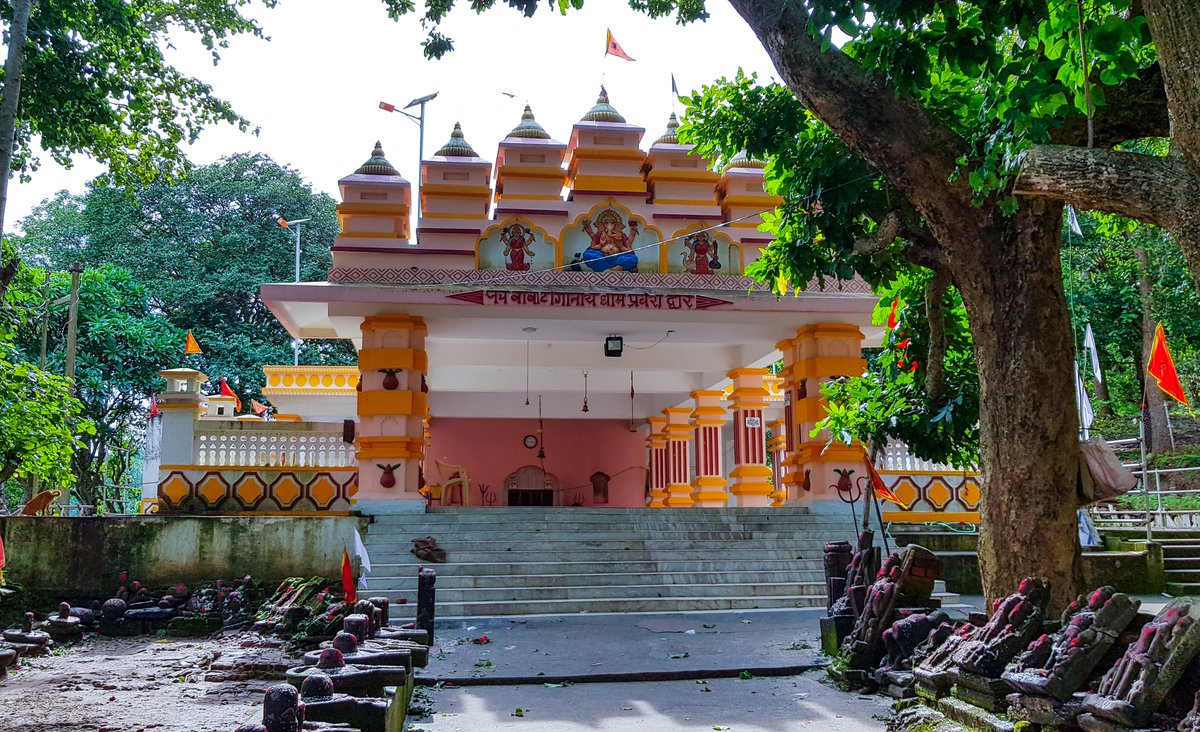
Baba Baidyanath Temple
One of the twelve Jyotirlingas of India.
Basukinath Temple
A famous pilgrimage destination.
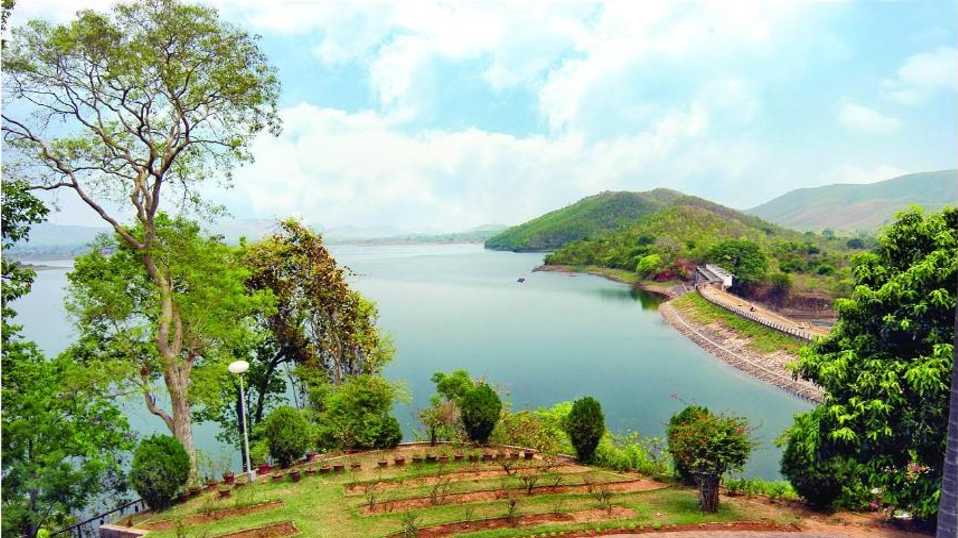
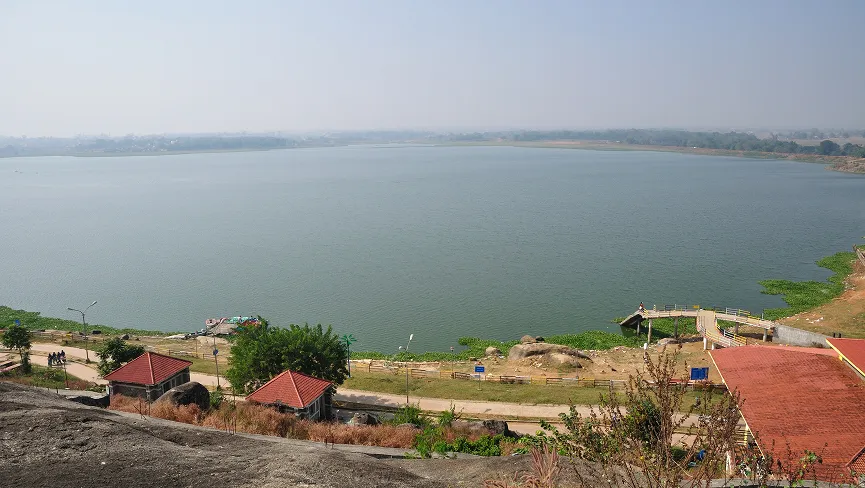
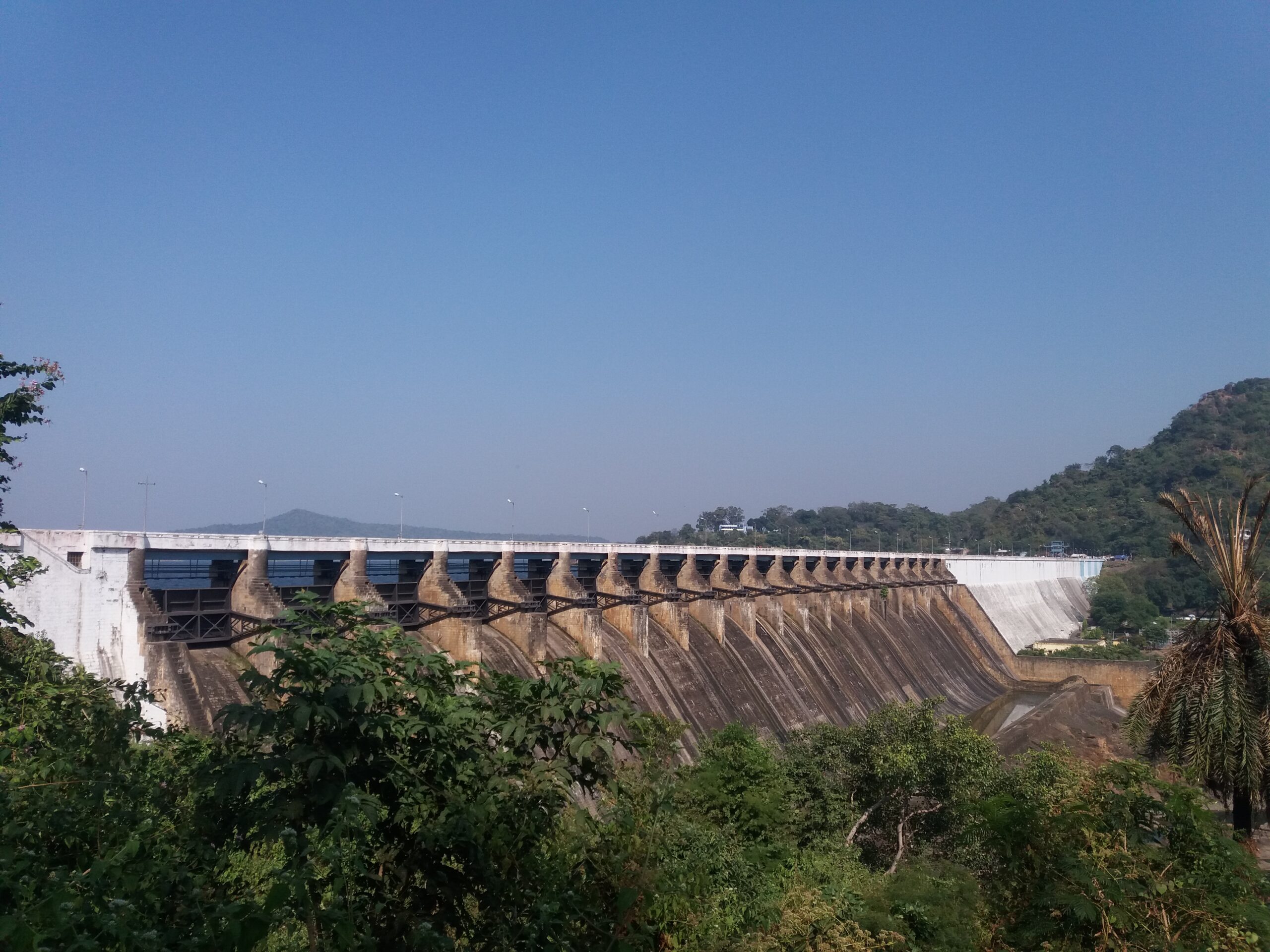
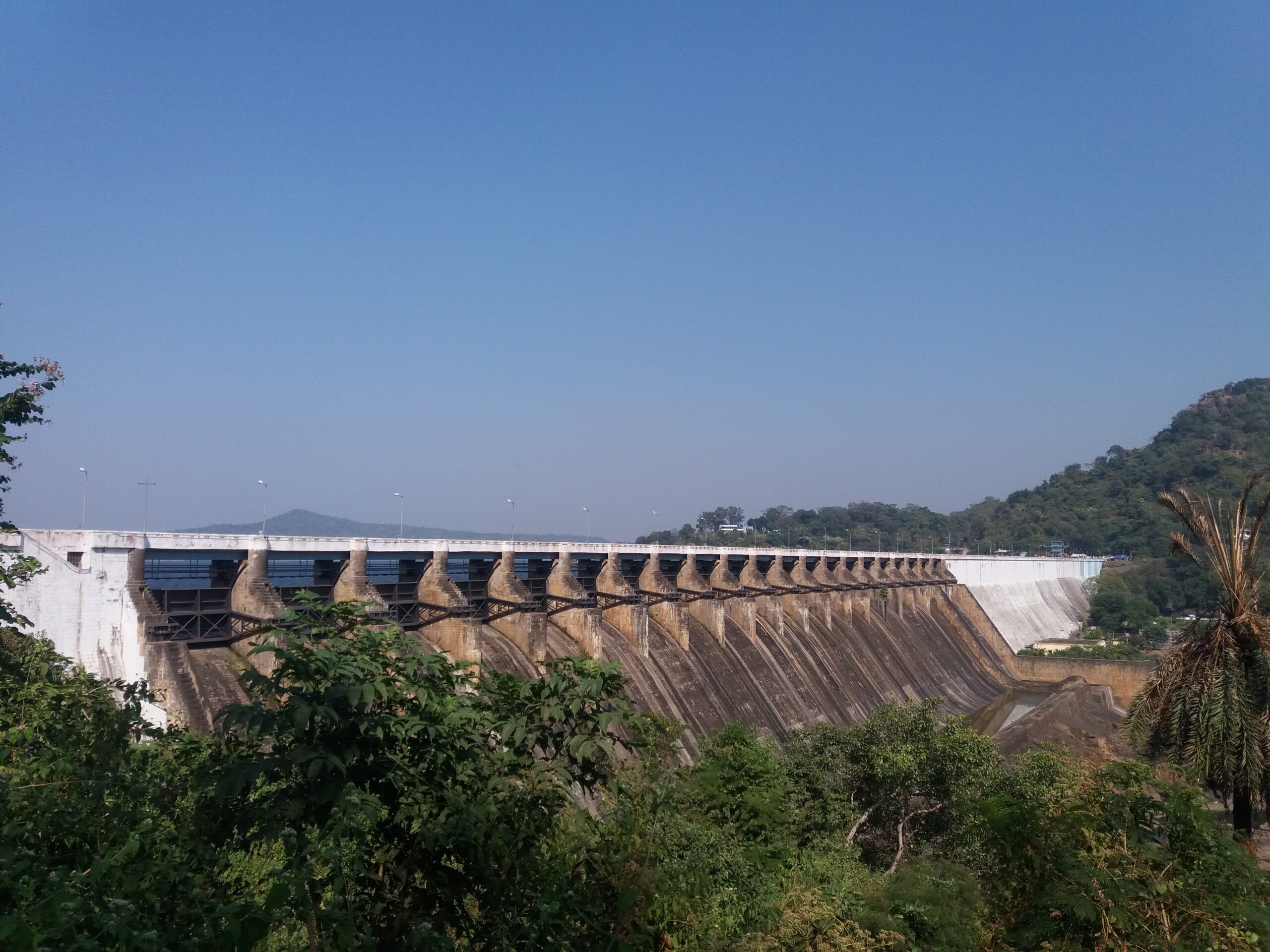
Massanjore Dam
Known for scenic views and boating.
Tarapith Temple
An important Shakti Peetha near Maluti.
Travel Tips for Visitors
- Visit during winter for the best experience.
- Carry drinking water.
- Wear comfortable footwear.
- Respect temple customs.
- Hire a local guide for historical insights.
- Carry a camera for photography.
- Visit early morning to avoid crowds.
Interesting Facts About Maluti Temple
- Maluti once had 108 temples.
- Around 72 temples survive today.
- The temples are famous for terracotta carvings.
- The village is known as Gupta Kashi.
- Temples were built between the 17th and 19th centuries.
- The architecture reflects strong Bengal influence.
- The site is one of Jharkhand’s most important heritage destinations.
- Maluti gained international attention for heritage conservation concerns.
FAQs
1. Where is Maluti Temple located?
Maluti Temple is located in Maluti village of Dumka district, Jharkhand.
2. Why is Maluti famous?
Maluti is famous for its cluster of ancient terracotta temples and unique heritage architecture.
3. How many temples are there in Maluti?
Around 72 temples survive today out of the original 108 temples.
4. Who built the Maluti temples?
The temples were built by the rulers of the Baj Basanta dynasty.
5. Which is the main temple in Maluti?
The Maa Mauliksha Temple is considered the most important temple.
6. What is special about Maluti’s architecture?
The temples feature intricate terracotta carvings and Bengal-style architecture.
7. Is there an entry fee?
No, entry is generally free.
8. What is the best time to visit?
October to March is the best period for visiting.
9. Which railway station is nearest to Maluti?
Rampurhat Railway Station is the nearest railway station.
10. Why is Maluti called Gupta Kashi?
Because of its large number of temples and spiritual significance.
11. Can photography be done at Maluti?
Yes, photography is generally permitted.
12. Is Maluti suitable for family trips?
Yes, it is an excellent destination for families, pilgrims, and history lovers.
13. Which deity is worshipped at Maluti?
Maa Mauliksha is the principal deity, along with Shiva, Kali, Durga, and Vishnu.
14. What are the famous festivals celebrated here?
Kali Puja, Durga Puja, Shivratri, and Navratri.
15. Is Maluti a UNESCO World Heritage Site?
No, but it is recognized as an important heritage site and has received conservation attention internationally.
16. How far is Maluti from Dumka?
Approximately 55 kilometers.
17. Are guides available at Maluti?
Local guides may be available for historical tours.
18. Which river flows near Maluti?
The Chila River flows near the village.
19. Are the temples still used for worship?
Yes, several temples continue to be active places of worship.
20. Why should tourists visit Maluti?
Tourists should visit Maluti for its unique terracotta temples, history, architecture, culture, and spiritual significance.
Conclusion
Maluti Temple Village is one of India’s hidden heritage treasures. Its collection of terracotta temples, rich mythology, fascinating history, and peaceful rural setting make it a must-visit destination in Jharkhand. Whether you are a pilgrim, historian, architecture enthusiast, photographer, or traveler seeking unique experiences, Maluti offers an unforgettable journey into the artistic and spiritual legacy of eastern India.
The preservation of these centuries-old temples is crucial not only for Jharkhand but for India’s cultural heritage as a whole. A visit to Maluti is an opportunity to witness a remarkable chapter of history carved in terracotta and preserved through devotion.
About Us – JharTravel
Welcome to JharTravel — your trusted travel companion for discovering the hidden beauty, culture, history, and tourism of Jharkhand and across India.
My name is Md Mokarram, and I am proudly from Jharkhand. I created JharTravel with a simple mission: to help travelers explore the real beauty of Jharkhand, Bihar, and other amazing destinations through authentic travel guides, hotel information, food blogs, pilgrimage details, and local experiences.
At JharTravel, we believe that every destination has a unique story. From waterfalls, hills, temples, and forests to street food, local culture, and budget travel tips — we provide informative and easy-to-understand travel content for every type of traveler.
Our website covers:
- Travel guides for famous and hidden destinations
- Tourist places in Jharkhand, Bihar, and India
- Hotels, lodges, and homestay recommendations
- Religious and pilgrimage travel guides
- Street food and local cuisine blogs
- Travel tips, itineraries, and budget guides
- SEO-friendly and regularly updated travel articles
Whether you are planning a family trip, solo adventure, spiritual journey, or weekend getaway, JharTravel helps you make your journey easier and more memorable.
As a traveler and blogger from Jharkhand, I personally enjoy exploring new places and sharing genuine travel experiences with readers. Every article on JharTravel is written with passion, research, and the goal of helping travelers discover the beauty of India.
Thank you for visiting JharTravel and being part of this travel journey.
Contact Information
- Founder: Md Mokarram
- Website: https://jhartravel.com/
- Location: Jharkhand
“Final Two Words”
Thank you for visiting JharTravel, a travel platform created with passion and dedication by Md Mokarram from Jharkhand. Our goal is to provide helpful, accurate, and easy-to-read travel information for travelers who want to explore the beauty of Jharkhand. From hidden tourist spots and religious places to hotels, food, and travel tips, we aim to make every journey memorable and budget-friendly. We truly appreciate your support and trust in our content. Keep exploring new destinations with JharTravel and make every trip an unforgettable experience filled with adventure, culture, and beautiful memories.
- 1 Explore Maluti Temple in Jharkhand, a heritage village famous for its terracotta temples. Learn about history, architecture, timings, how to reach, best time to visit, and travel tips.
- 2 Overview of Maluti Temple
- 3 Where is Maluti Temple Located?
- 4 History of Maluti Temple
- 5 The Story of Maa Mauliksha Temple
- 6 Architecture of Maluti Temples
- 7 Major Attractions in Maluti
- 8 Religious Significance
- 9 Festivals Celebrated at Maluti
- 10 Why Maluti is Called the Temple Village
- 11 Conservation and Heritage Importance
- 12 Best Time to Visit Maluti Temple
- 13 How to Reach Maluti Temple
- 14 Entry Fee and Timings
- 15 Things to Do at Maluti
- 16 Nearby Tourist Attractions
- 17 Travel Tips for Visitors
- 18 Interesting Facts About Maluti Temple
- 19 FAQs
- 20 About Us – JharTravel
- 21 “Final Two Words”