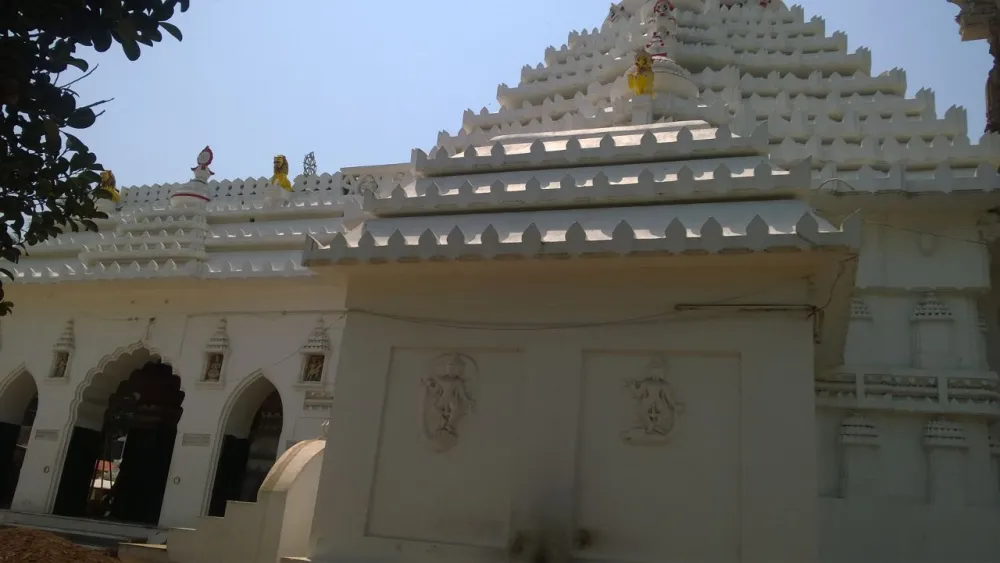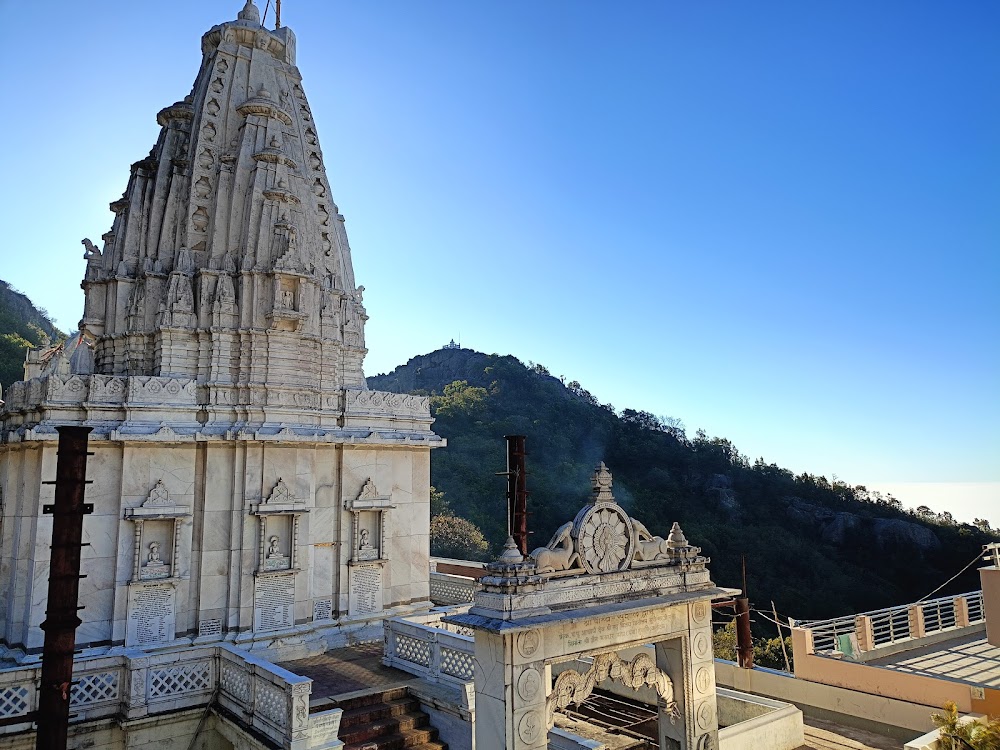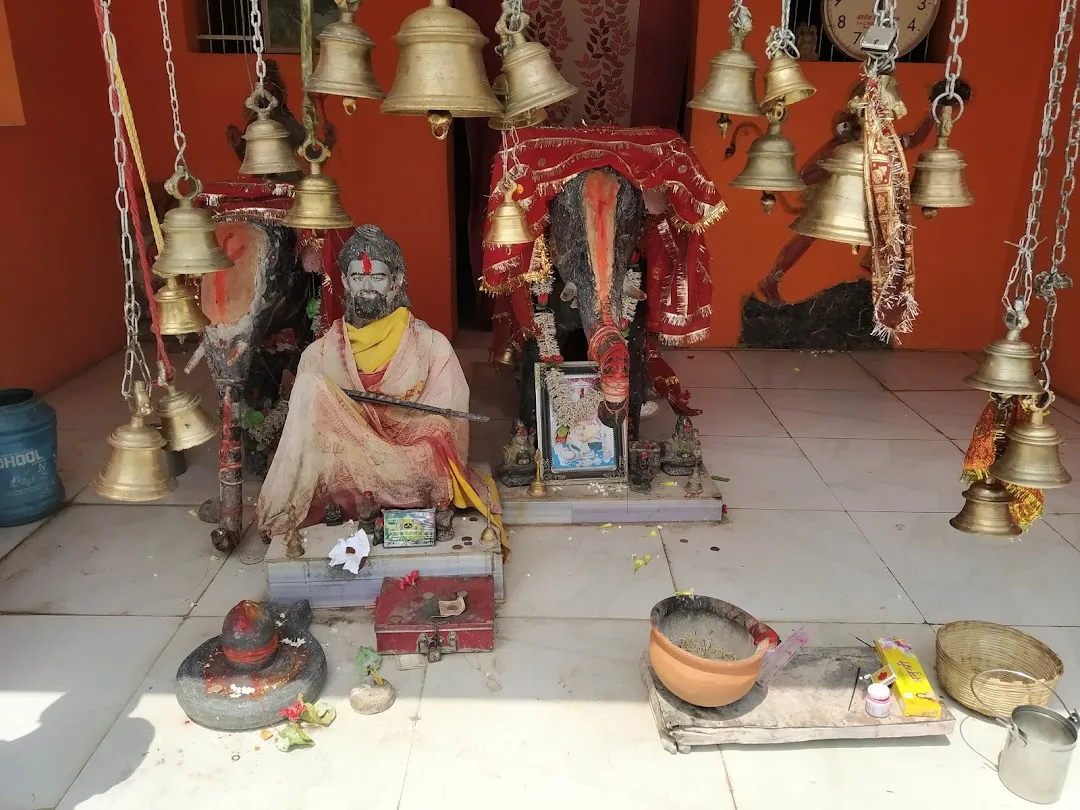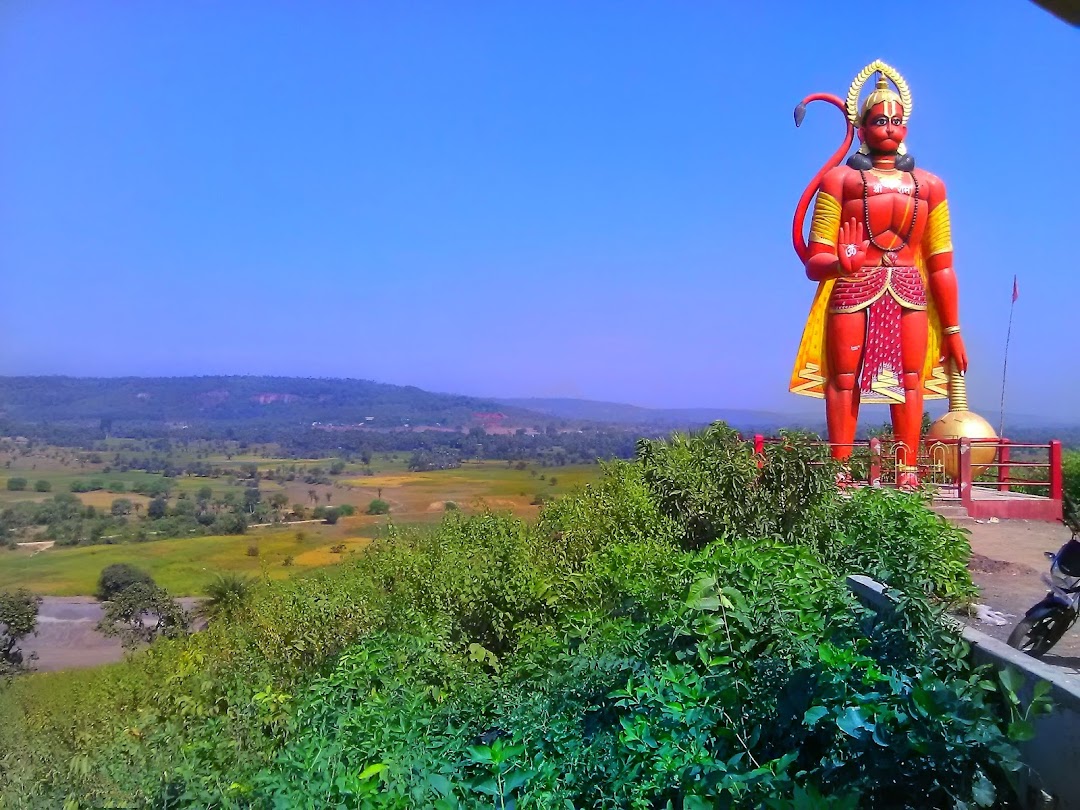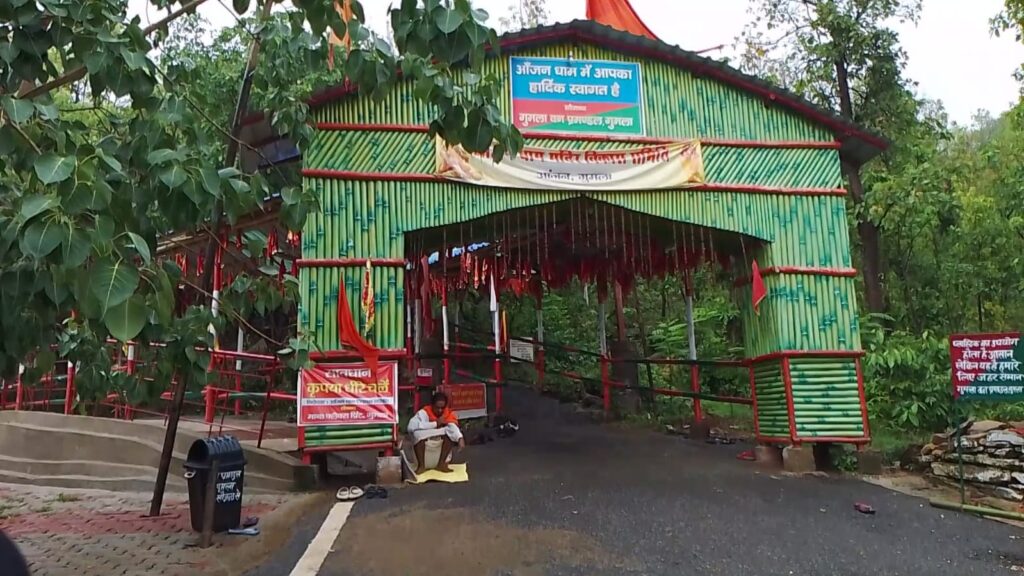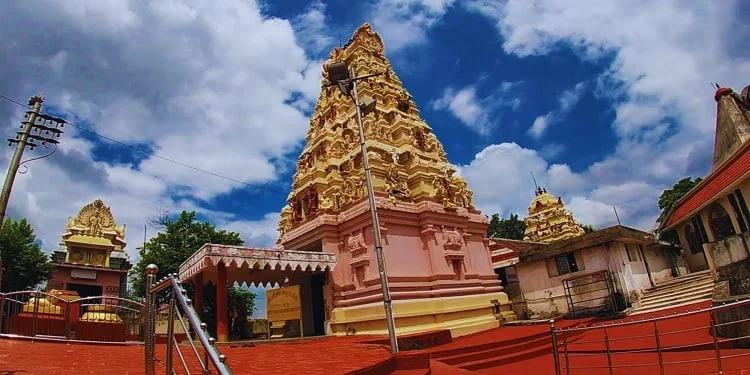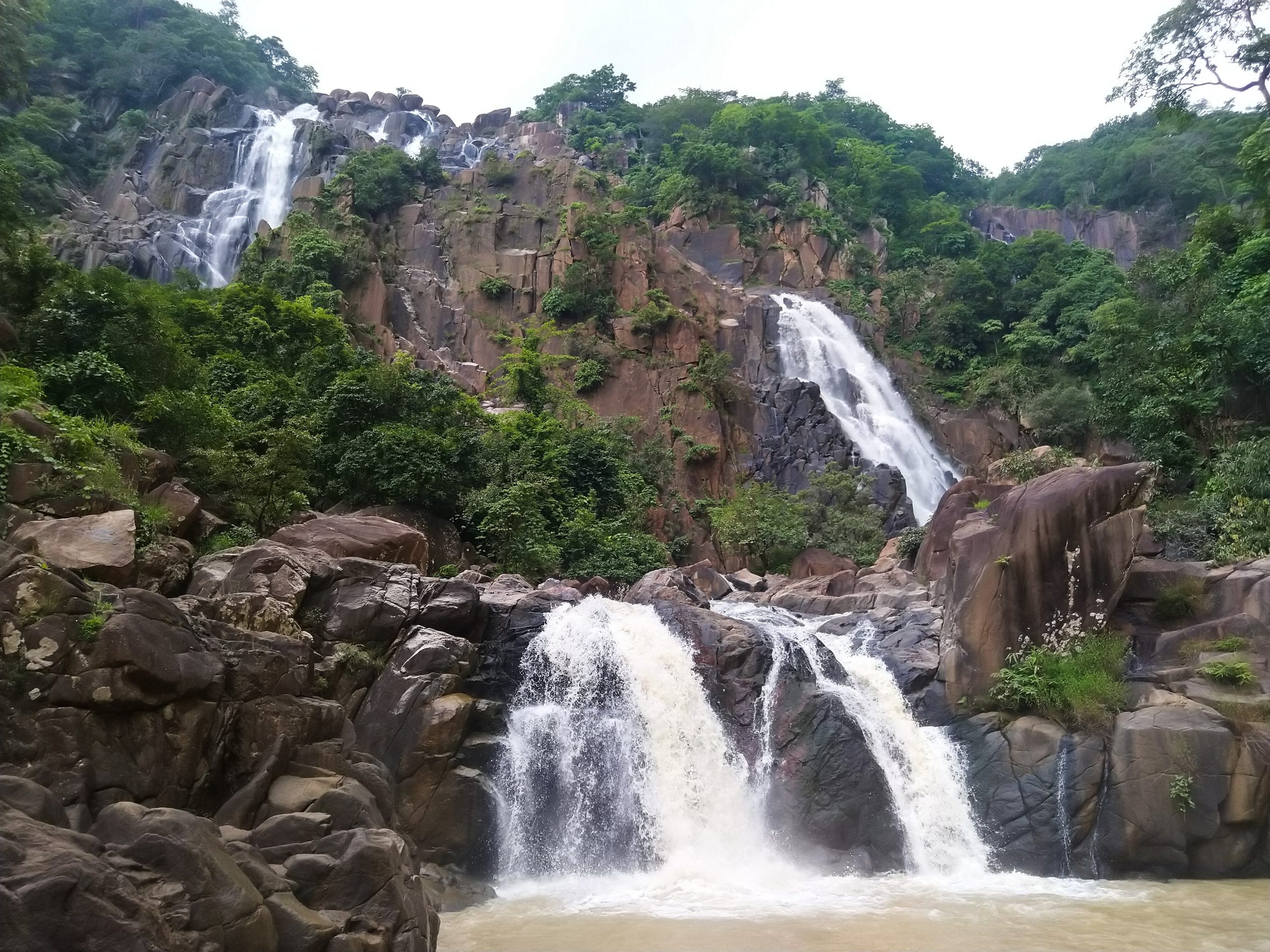
Explore the ancient Maluti Temples in Jharkhand, famous for terracotta architecture, mythology, history, and spiritual heritage. Read this complete travel guide with timings, entry fee, nearby attractions, and FAQs.
The Maluti Temples are among the most fascinating historical and religious attractions in eastern India. Located in the peaceful village of Maluti near the Jharkhand-West Bengal border, these ancient terracotta temples represent a remarkable blend of spirituality, history, art, and culture. Known as the “Temple Village of Jharkhand,” Maluti once had more than 100 temples, though around 72 temples survive today.
The temples are dedicated mainly to Lord Shiva, Goddess Kali, and Lord Vishnu. The intricate terracotta artwork and mythological carvings make Maluti one of the most unique heritage destinations in India. Travelers, historians, photographers, devotees, and architecture lovers visit this village to witness its extraordinary temple complex.
The village offers a calm rural atmosphere, traditional culture, and centuries-old spiritual heritage that transports visitors back in time. Because of its historical significance and artistic beauty, Maluti Temples are considered one of the hidden gems of Jharkhand tourism.


History of Maluti Temples
The history of Maluti dates back several centuries. According to historical records and local legends, the temples were built between the 17th and 19th centuries by the rulers of the Baj Basanta dynasty.
It is believed that the dynasty was established when a local cowherd named Basanta received land and recognition from the Sultan of Bengal for saving his royal falcon. The ruler was impressed by Basanta’s honesty and loyalty and granted him tax-free land. Over time, his descendants became local kings and started constructing temples throughout the village.
Instead of building luxurious palaces, the rulers focused on temple construction and religious development. This resulted in the creation of more than 100 temples dedicated to Hindu gods and goddesses.
The temples became centers of worship, culture, education, and local traditions. Over the centuries, Maluti evolved into an important spiritual destination in the region.
Today, the surviving temples stand as symbols of the rich cultural and architectural heritage of Jharkhand.
Architecture of Maluti Temples
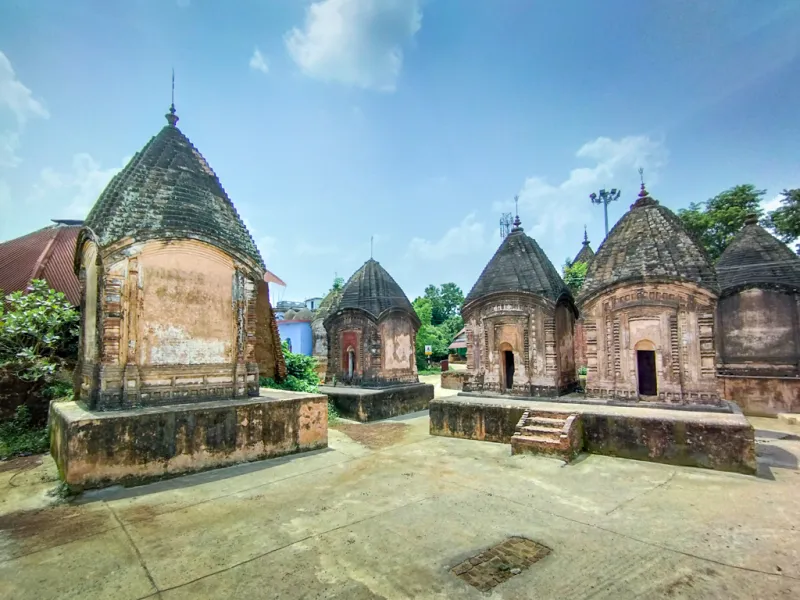
The architecture of Maluti Temples is one of their biggest attractions. These temples are famous for their terracotta art, detailed carvings, and Bengal-style temple structures.
The walls of the temples are decorated with scenes from Hindu epics such as the Ramayana and Mahabharata. Images of gods, goddesses, dancers, animals, warriors, and mythological stories are beautifully carved into the terracotta panels.
The temples mainly follow the Bengali chala and rekha architectural styles. Their curved roofs, artistic arches, and decorative walls showcase the craftsmanship of ancient artisans.
The use of terracotta was common because stone was not easily available in the region. Artisans used baked clay bricks to create detailed artwork that still amazes visitors today.
Many temples feature:
- Floral patterns
- Mythological stories
- Religious symbols
- Social scenes from village life
- Animal motifs
- Traditional geometric designs
The reddish-brown color of the terracotta structures gives the temples a timeless and artistic appearance.
Religious Importance of Maluti Temples
The Maluti Temples hold immense religious importance for Hindu devotees. Most temples are dedicated to:
- Lord Shiva
- Goddess Kali
- Goddess Durga
- Lord Vishnu
- Lord Krishna
The village is especially famous for the worship of Maa Mauliksha, considered the guardian deity of the region. The Mauliksha Temple is an important pilgrimage site and attracts devotees throughout the year.
Tantric traditions and Shakti worship have historically been associated with the village. Many saints and spiritual practitioners are believed to have visited Maluti for meditation and religious practices.
During festivals like Durga Puja, Kali Puja, Shivratri, and Navratri, the temples become vibrant centers of devotion and celebration.
Best Time to Visit Maluti Temples
The best time to visit Maluti Temples is between October and March. During this period, the weather remains pleasant and comfortable for sightseeing.
Winter Season (October to February)
Winter is considered the ideal season for visiting Maluti. The cool weather makes it easy to explore the temple complex and surrounding village.
Temperature ranges from:
- 10°C to 25°C
This is also the best season for photography and cultural exploration.
Summer Season (March to June)
Summers can be hot and dry. Daytime temperatures may rise above 40°C, making travel uncomfortable.
Monsoon Season (July to September)
The monsoon season brings greenery and scenic beauty to the village. However, heavy rainfall can sometimes affect road travel.
How to Reach Maluti Temples
By Road
Maluti village is well connected by road to nearby towns and cities. Visitors can hire taxis or use local transportation.
Distance from major locations:
- Dumka – around 55 km
- Rampurhat – around 18 km
- Deoghar – around 120 km
By Train
The nearest railway station is Rampurhat Railway Station, located about 18 kilometers away.
Rampurhat has good rail connectivity with:
- Kolkata
- Ranchi
- Patna
- Asansol
- Howrah
From the railway station, travelers can hire taxis or auto-rickshaws.
By Air
The nearest airport is Deoghar Airport. Another major airport is Netaji Subhas Chandra Bose International Airport.
Entry Fee and Timings
Entry Fee
There is usually no entry fee for visiting the Maluti Temples.
Timings
The temples are generally open from:
- 6:00 AM to 6:00 PM
Visitors should preferably explore during daylight hours.
Major Attractions in Maluti Village
1. Mauliksha Temple
The Mauliksha Temple is the spiritual heart of Maluti village. Devotees believe the goddess fulfills wishes and protects the village.
2. Terracotta Artwork
The detailed terracotta carvings are the biggest attraction for photographers and architecture enthusiasts.
3. Ancient Temple Clusters
The village contains multiple clusters of temples, each showcasing different architectural styles and artistic designs.
4. Rural Village Atmosphere
Maluti offers visitors an authentic rural experience with traditional homes, local culture, and peaceful surroundings.
5. Religious Festivals
Festivals celebrated in Maluti provide insight into the cultural traditions and devotional practices of the local community.
Cultural Importance of Maluti

Maluti is not just a historical site; it is also an important cultural center. The temples reflect centuries of religious devotion, artistic creativity, and community life.
Local traditions, folk stories, and rituals continue to preserve the heritage of the village. The temples also demonstrate the strong cultural connection between Jharkhand and Bengal.
Traditional festivals are celebrated with music, rituals, and local participation. Visitors can experience authentic rural culture while exploring the village.
Conservation and Restoration Efforts
Many Maluti temples suffered damage over time due to weather, neglect, and natural aging. Recognizing their historical importance, government agencies and heritage organizations have started restoration and conservation projects.
Efforts include:
- Structural repair
- Preservation of terracotta panels
- Cleaning and maintenance
- Tourism development
- Heritage awareness programs
The restoration work aims to protect the temples for future generations while promoting sustainable tourism.
Photography at Maluti Temples
The temples are a paradise for photography lovers. The best photography opportunities include:
- Sunrise temple views
- Terracotta wall details
- Rural village landscapes
- Temple silhouettes
- Cultural festivals
- Traditional architecture
Early morning and late afternoon provide the best lighting conditions.
Nearby Tourist Attractions
Tarapith Temple
Located near Maluti, Tarapith is one of the most famous Shakti pilgrimage centers in eastern India.
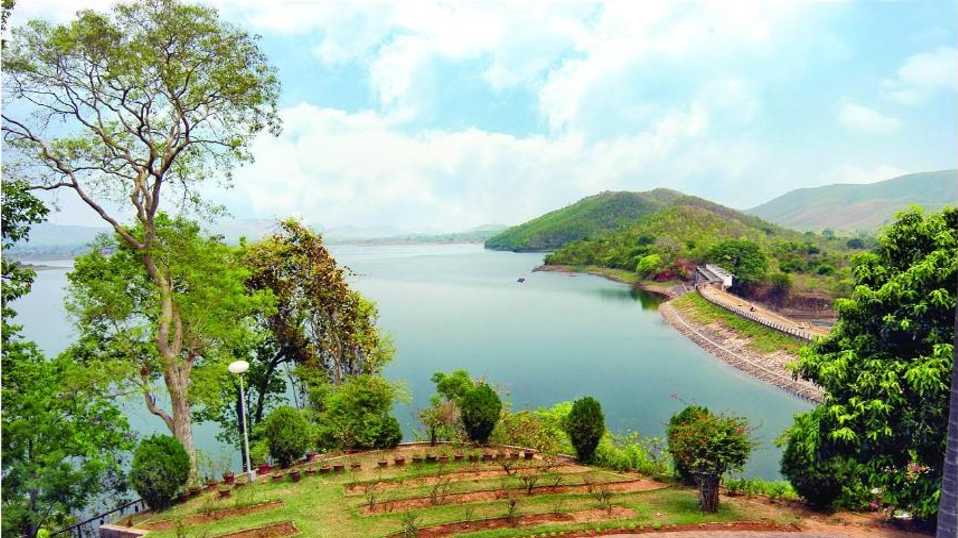
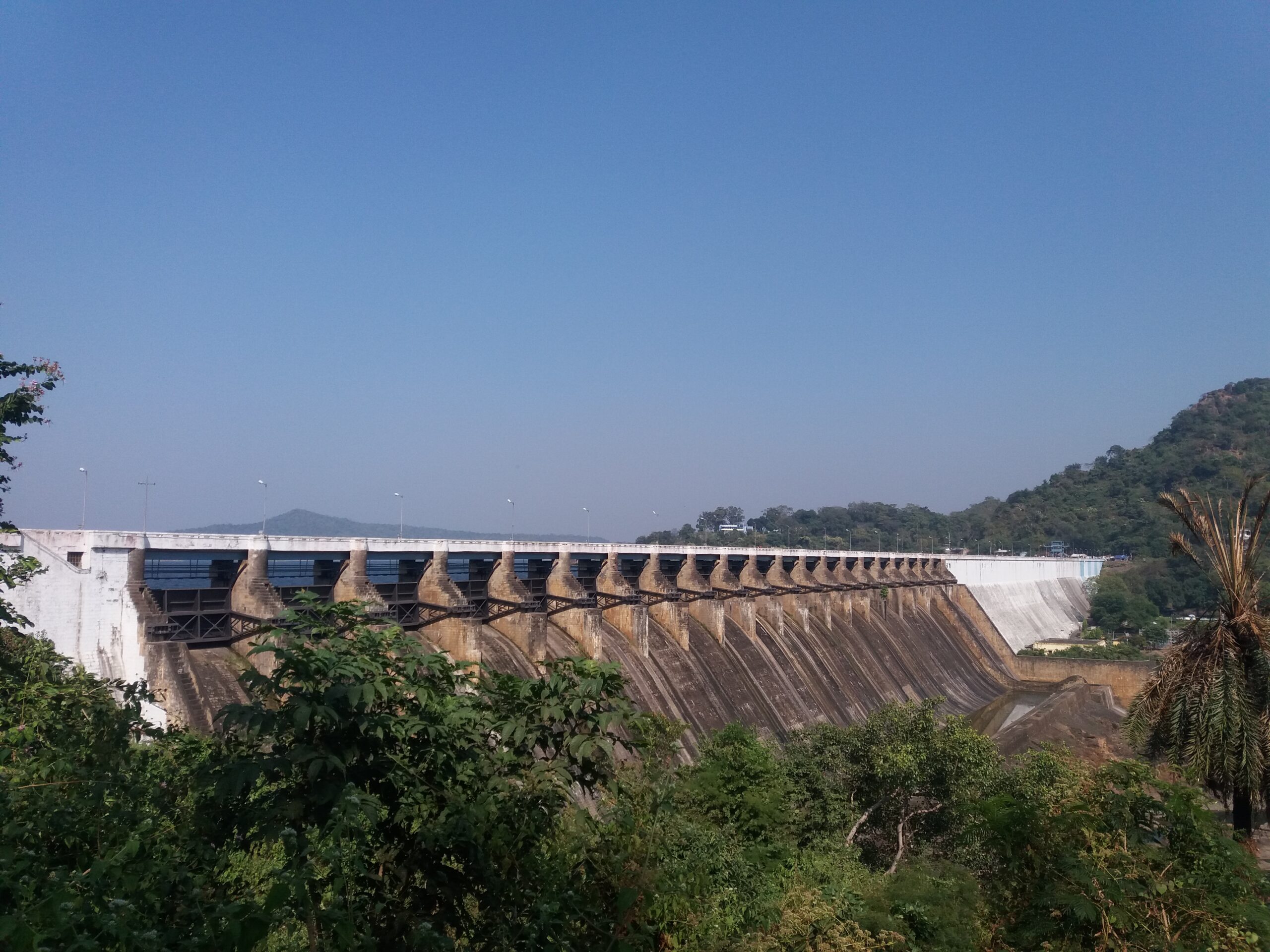
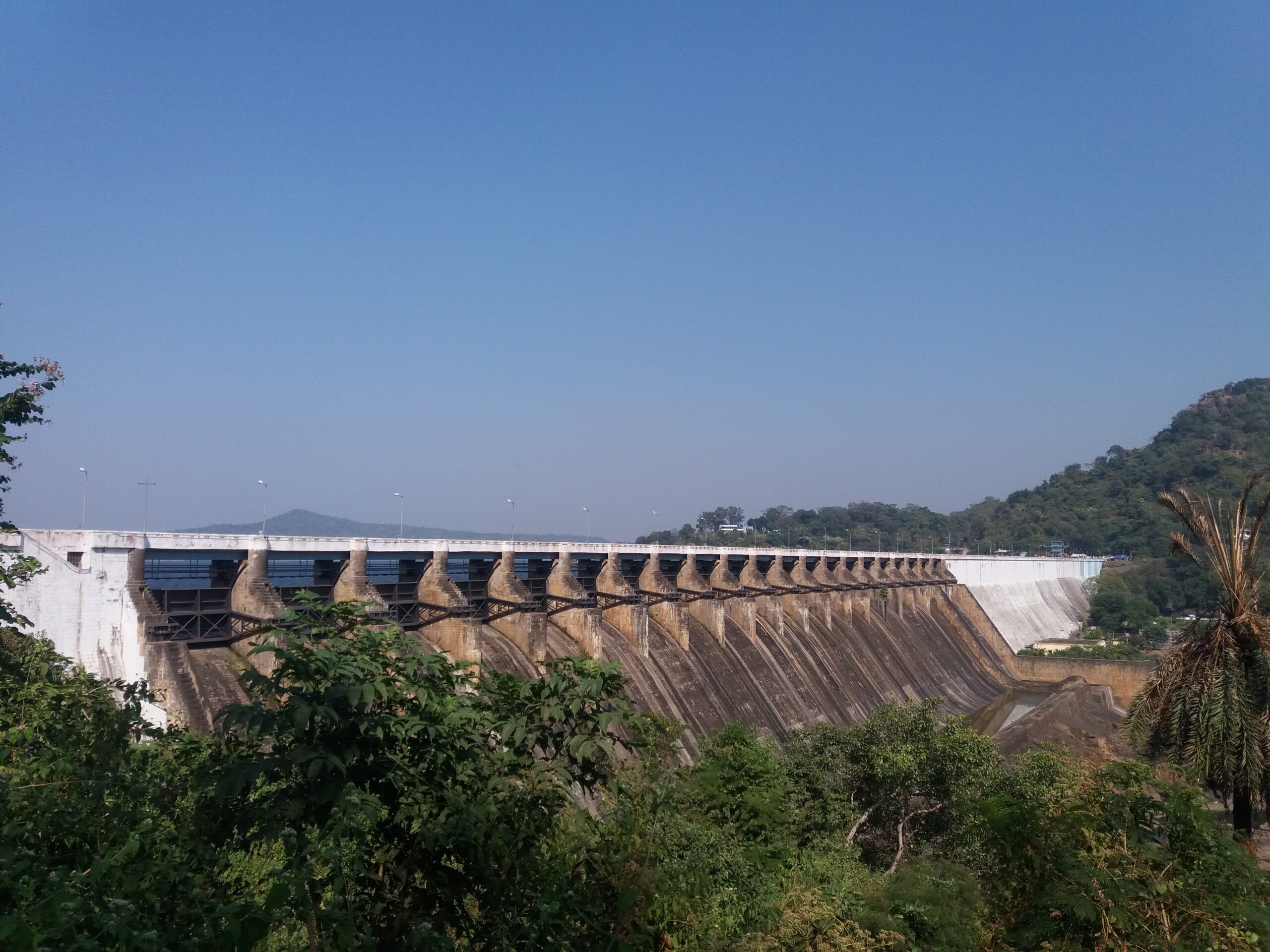
Massanjore Dam
A scenic dam surrounded by hills and greenery, ideal for nature lovers and picnics.
Baba Baidyanath Temple
One of the twelve Jyotirlingas of Lord Shiva and a major pilgrimage destination.
Trikut Hills
A popular adventure and sightseeing destination near Deoghar.
Why Maluti Temples Are Famous
Maluti Temples are famous because of:
- Ancient terracotta architecture
- Rich religious heritage
- Historical importance
- Rural cultural experience
- Temple clusters
- Mythological carvings
- Peaceful spiritual environment
The village is often called the “Guinness Book village” because of its large number of temples concentrated in a small area.
Travel Tips for Visitors
- Visit during winter for pleasant weather.
- Carry drinking water and sunscreen.
- Wear comfortable footwear for walking.
- Respect local customs and religious practices.
- Hire a local guide for historical insights.
- Keep the temple premises clean.
- Photography is best during morning hours.
Food and Accommodation Near Maluti
Maluti is a small village, so accommodation options are limited. Most travelers stay in nearby towns like Rampurhat, Dumka, or Deoghar.
Visitors can enjoy:
- Traditional Bengali dishes
- Jharkhand local cuisine
- Simple vegetarian meals
- Tea stalls and local snacks
Nearby towns offer hotels, guest houses, and restaurants for tourists.
Importance of Maluti in Jharkhand Tourism
The Maluti Temples are among the most important heritage tourism destinations in Jharkhand. They showcase the state’s rich history, architecture, spirituality, and artistic traditions.
The temples attract:
- Pilgrims
- Historians
- Tourists
- Researchers
- Photographers
- Architecture students
Tourism development in Maluti also supports local livelihoods and cultural preservation.
Interesting Facts About Maluti Temples
- Maluti once had more than 100 temples.
- Around 72 temples still survive today.
- The temples are famous for terracotta artwork.
- The village is located near the Jharkhand-West Bengal border.
- The temples were built by the Baj Basanta dynasty.
- Maluti is known as the “Temple Village of Jharkhand.”
- The Mauliksha Temple is highly revered by devotees.
Frequently Asked Questions (FAQs)
1. Where are the Maluti Temples located?
The Maluti Temples are located in Maluti village in Dumka district of Jharkhand near the West Bengal border.
2. Why are Maluti Temples famous?
Maluti Temples are famous for their terracotta architecture, historical significance, and large number of ancient temples.
3. How many temples are there in Maluti?
Maluti originally had more than 100 temples, and around 72 temples still exist today.
4. Which is the main temple in Maluti?
The Mauliksha Temple is considered the most important temple in Maluti village.
5. What is the best time to visit Maluti Temples?
The best time to visit is from October to March when the weather is pleasant.
6. Is there any entry fee for Maluti Temples?
No, there is generally no entry fee for visiting the temples.
7. Which is the nearest railway station to Maluti?
Rampurhat Railway Station is the nearest railway station to Maluti.
8. Can photography be done at Maluti Temples?
Yes, photography is allowed and the temples are popular among photographers.
9. Are guides available at Maluti?
Local guides may be available for explaining the history and architecture of the temples.
10. Which nearby places can be visited along with Maluti?
Visitors can also explore Tarapith Temple, Massanjore Dam, Deoghar, and Trikut Hills nearby.
Conclusion
The Maluti Temples are a priceless treasure of Jharkhand’s cultural and religious heritage. Their ancient terracotta architecture, spiritual atmosphere, mythological carvings, and historical importance make them one of the most unique tourist destinations in eastern India.
Whether you are a devotee, history enthusiast, architecture lover, photographer, or cultural traveler, Maluti offers an unforgettable experience. The peaceful village setting combined with centuries-old temples creates a magical journey into India’s glorious past.
A visit to Maluti is not just a sightseeing trip; it is an exploration of history, devotion, art, and timeless tradition.
About Us – JharTravel
Welcome to JharTravel — your trusted travel companion for discovering the hidden beauty, culture, history, and tourism of Jharkhand and across India.
My name is Md Mokarram, and I am proudly from Jharkhand. I created JharTravel with a simple mission: to help travelers explore the real beauty of Jharkhand, Bihar, and other amazing destinations through authentic travel guides, hotel information, food blogs, pilgrimage details, and local experiences.
At JharTravel, we believe that every destination has a unique story. From waterfalls, hills, temples, and forests to street food, local culture, and budget travel tips — we provide informative and easy-to-understand travel content for every type of traveler.
Our website covers:
- Travel guides for famous and hidden destinations
- Tourist places in Jharkhand, Bihar, and India
- Hotels, lodges, and homestay recommendations
- Religious and pilgrimage travel guides
- Street food and local cuisine blogs
- Travel tips, itineraries, and budget guides
- SEO-friendly and regularly updated travel articles
Whether you are planning a family trip, solo adventure, spiritual journey, or weekend getaway, JharTravel helps you make your journey easier and more memorable.
As a traveler and blogger from Jharkhand, I personally enjoy exploring new places and sharing genuine travel experiences with readers. Every article on JharTravel is written with passion, research, and the goal of helping travelers discover the beauty of India.
Thank you for visiting JharTravel and being part of this travel journey.
Contact Information
- Founder: Md Mokarram
- Website: https://jhartravel.com/
- Location: Jharkhand
“Final Two Words”
Thank you for visiting JharTravel, a travel platform created with passion and dedication by Md Mokarram from Jharkhand. Our goal is to provide helpful, accurate, and easy-to-read travel information for travelers who want to explore the beauty of Jharkhand. From hidden tourist spots and religious places to hotels, food, and travel tips, we aim to make every journey memorable and budget-friendly. We truly appreciate your support and trust in our content. Keep exploring new destinations with JharTravel and make every trip an unforgettable experience filled with adventure, culture, and beautiful memories.
- 1 Explore the ancient Maluti Temples in Jharkhand, famous for terracotta architecture, mythology, history, and spiritual heritage. Read this complete travel guide with timings, entry fee, nearby attractions, and FAQs.
- 2 Winter Season (October to February)
- 3 Summer Season (March to June)
- 4 Monsoon Season (July to September)
- 5 By Road
- 6 By Train
- 7 By Air
- 8 Entry Fee
- 9 Timings
- 10 1. Mauliksha Temple
- 11 2. Terracotta Artwork
- 12 3. Ancient Temple Clusters
- 13 4. Rural Village Atmosphere
- 14 5. Religious Festivals
- 15 Tarapith Temple
- 16 Massanjore Dam
- 17 Baba Baidyanath Temple
- 18 Trikut Hills
- 19 About Us – JharTravel
- 20 “Final Two Words”