Nauratan Garh Gumla – The Forgotten Capital of the Nagvanshi Kings
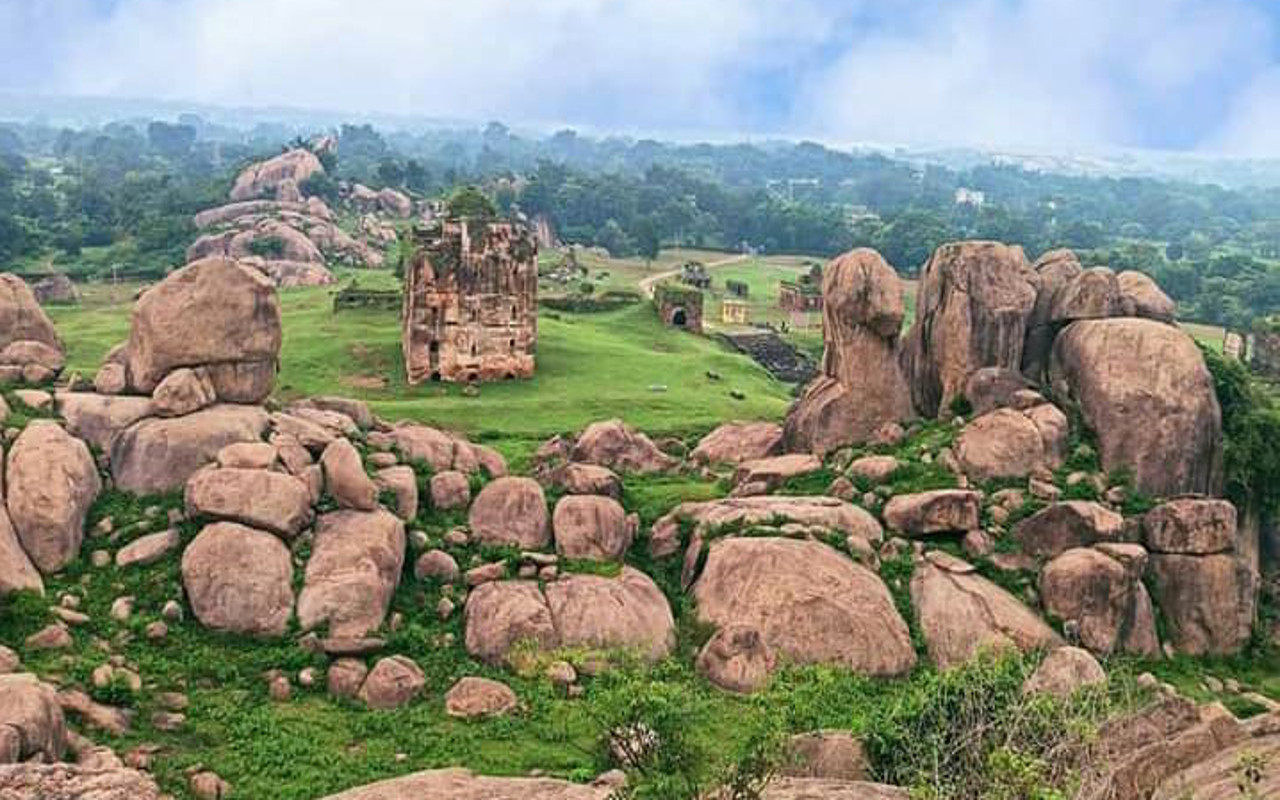
Nauratan Garh, also known as Navratangarh, is one of the most important historical monuments in Jharkhand. Located in the Sisai block of Gumla district, this ancient fort was once the capital of the powerful Nagvanshi dynasty. The fort is a symbol of Jharkhand’s glorious past and showcases remarkable architecture, engineering skills, and cultural heritage.
Built by Nagvanshi King Durjan Shah during the 17th century, Nauratan Garh continues to attract historians, archaeologists, researchers, and tourists interested in exploring the state’s rich history. Today, the remains of the fort stand as a testimony to the grandeur of the Nagvanshi rulers.
Overview of Nauratan Garh
| Particulars | Details |
|---|---|
| Location | Nagar Village, Sisai Block, Gumla |
| District | Gumla, Jharkhand |
| Built By | King Durjan Shah |
| Construction Period | Around 1636–1640 CE |
| Dynasty | Nagvanshi Dynasty |
| Type | Historical Fort |
| Distance from Ranchi | About 74 km |
| Distance from Gumla | Around 40 km |
| Heritage Status | Protected Heritage Site |
The fort is considered one of the finest examples of medieval architecture in Jharkhand and was recognized as a protected heritage monument by the Archaeological Survey of India (ASI).


History of Nauratan Garh
The history of Nauratan Garh is closely linked to the Nagvanshi dynasty, which ruled the Chotanagpur region for centuries.
King Durjan Shah, one of the most famous rulers of the Nagvanshi dynasty, built this magnificent fort after shifting the capital from Khukhragarh. The location was strategically chosen because of its natural protection provided by forests, rivers, and hills.
Historical records suggest that King Durjan Shah was held captive by Mughal Emperor Jahangir for several years. After his release, he strengthened his kingdom and established Navratangarh as the new political center of the Nagvanshi rulers.
For many years, Navratangarh remained an important center of administration, culture, religion, and military activities.
Why is it Called Nauratan Garh?
The name “Nauratan” literally means “Nine Jewels” or “Nine Levels.”
According to local traditions and historical accounts, the fort originally had nine storeys. Although much of the structure has deteriorated over time, the visible remains still indicate the grand scale of the original palace. Some historians believe that only a portion of the structure remains above ground today.

Architecture of Nauratan Garh
One of the most fascinating aspects of Nauratan Garh is its unique architectural design.
The fort demonstrates a blend of:
- Nagvanshi architecture
- Mughal influences
- Indigenous tribal craftsmanship
- Medieval engineering techniques
The palace was constructed using:
- Red bricks
- Lime mortar
- Stone carvings
- Decorative arches
The fort complex included:
- Royal palace
- Treasury
- Courtroom
- Prison cells
- Temples
- Water reservoirs
- Secret passages
- Defensive walls
Historians often admire the advanced planning that allowed the fort to function as a self-sufficient royal city.
Major Attractions Inside Nauratan Garh
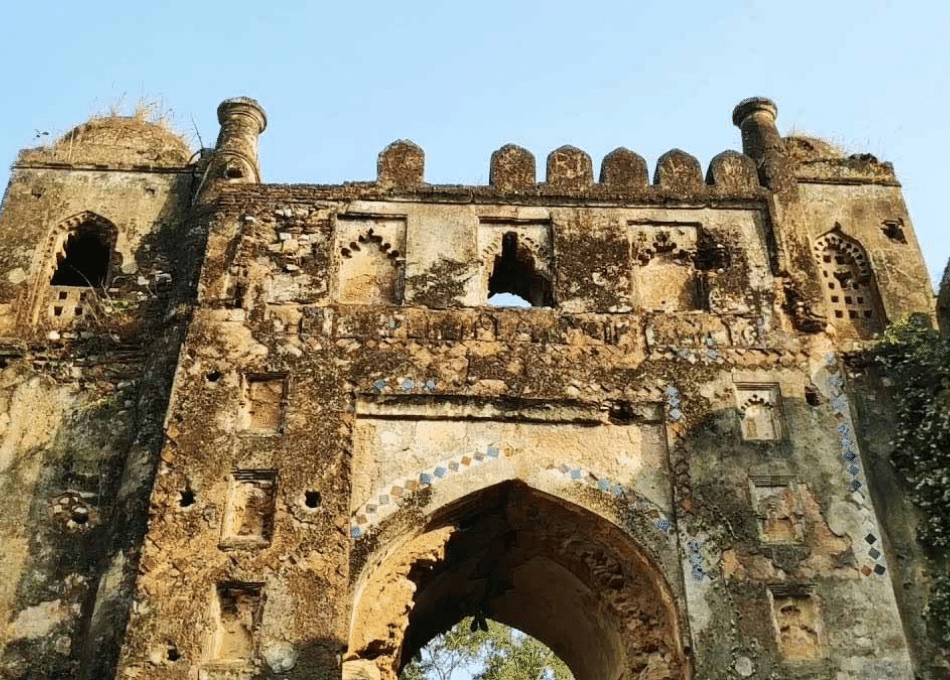
1. Main Palace
The main palace is the most prominent structure within the fort complex.
Even in ruins, visitors can observe:
- Thick defensive walls
- Large rooms
- Ancient corridors
- Multi-storey construction techniques
The palace reflects the prosperity of the Nagvanshi rulers.
2. Queen’s Palace
The Queen’s Palace was designed as a private residential area for royal women.
Historical accounts mention a special passage connecting the palace to the queen’s bathing pond.
3. Royal Treasury
The treasury was used to store wealth, valuable artifacts, and state records.
Though only remnants remain today, it showcases the administrative importance of the fort.
4. Royal Courtroom
This area served as the center of governance where kings conducted administrative and judicial affairs.
5. Secret Tunnel
One of the most interesting features of the fort is the secret underground passage.
These tunnels were reportedly used during emergencies and military threats.
Temples Around Nauratan Garh
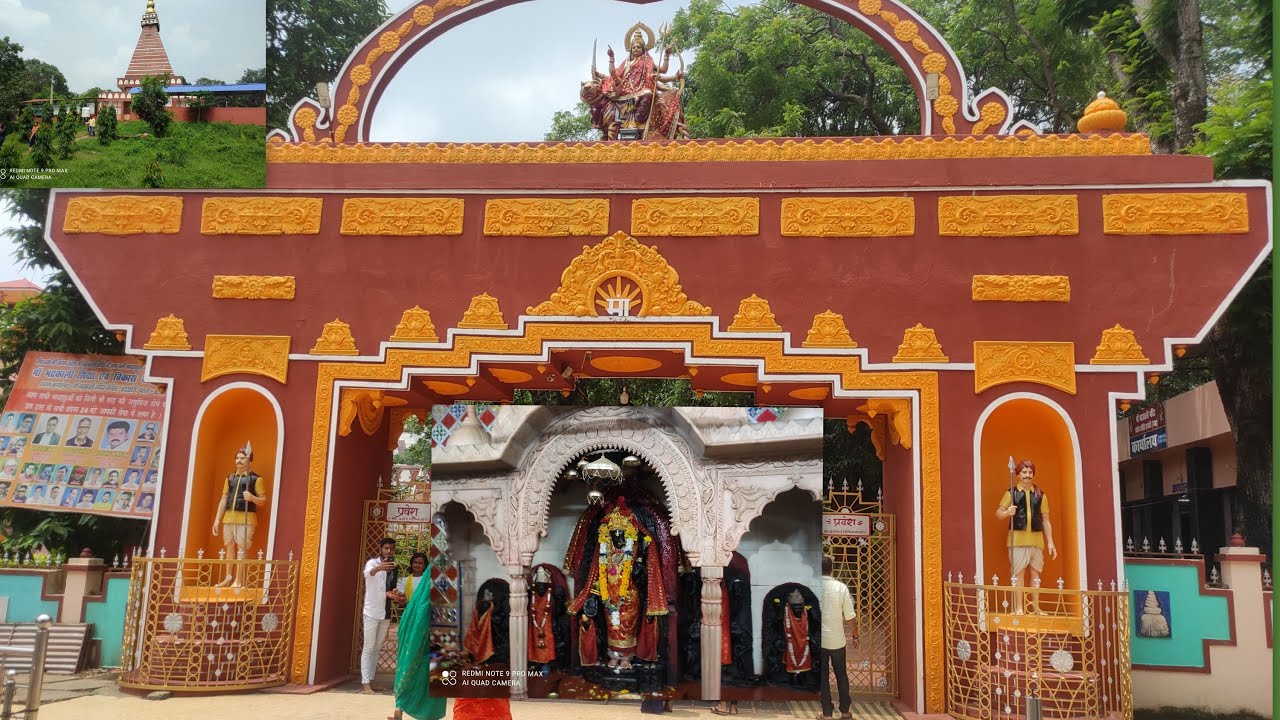
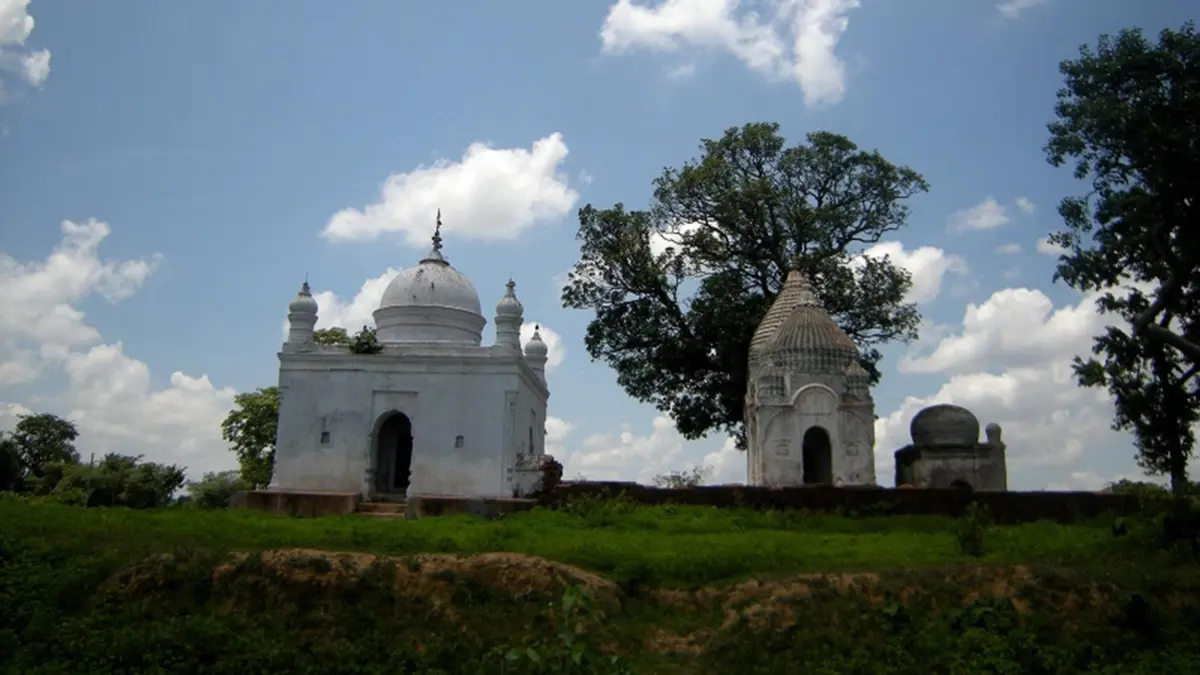
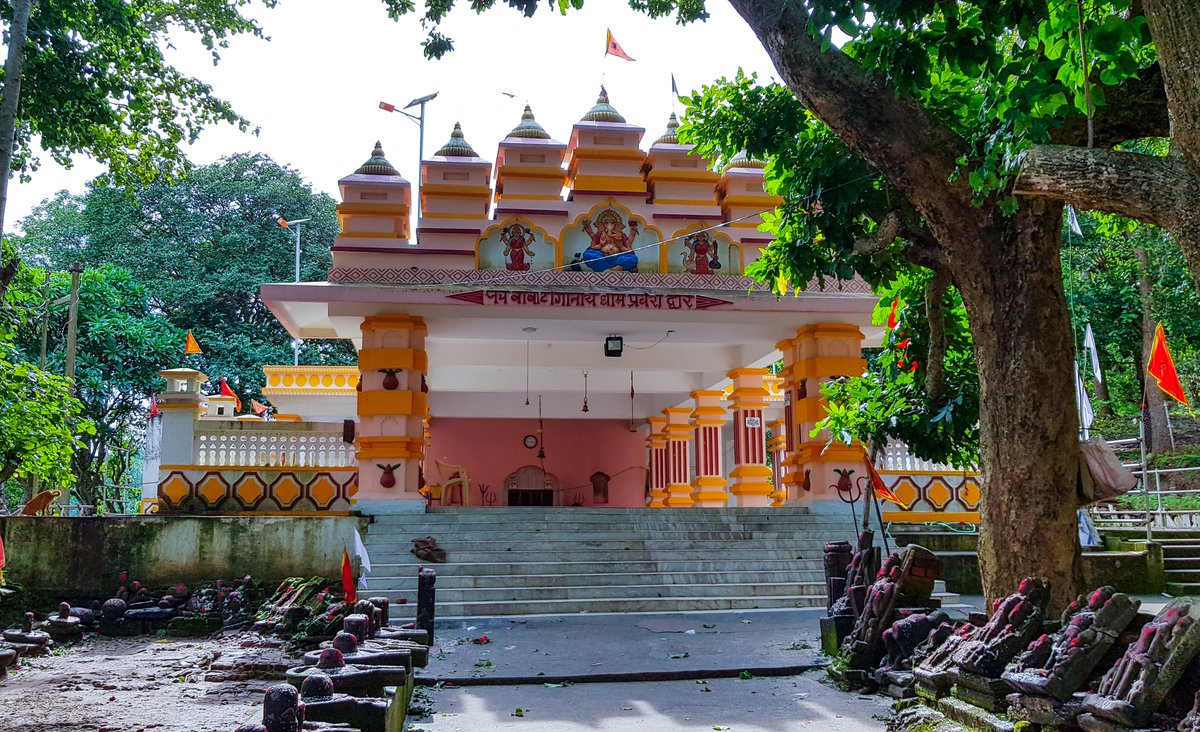
The fort complex contains several temples that highlight the religious life of the Nagvanshi rulers.
Jagannath Temple
Dedicated to Lord Jagannath, this temple remains a significant spiritual attraction.
Durga Temple
The Durga Temple reflects the devotion of the royal family toward Goddess Durga.
These temples continue to attract devotees and tourists alike.
Cultural Importance of Nauratan Garh
Nauratan Garh was more than a military fort.
It served as:
- Administrative headquarters
- Cultural center
- Religious hub
- Educational center
- Symbol of Nagvanshi power
Many festivals, royal ceremonies, and religious events were organized here during the dynasty’s rule.
Archaeological Significance
Archaeologists consider Navratangarh one of the most important heritage sites in Jharkhand.
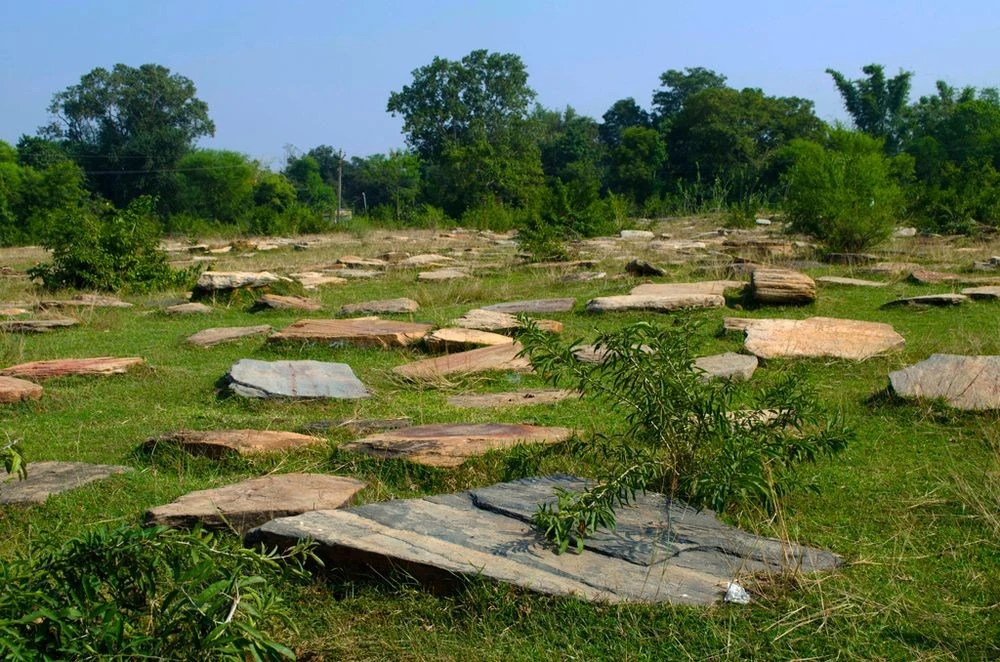
Excavations and studies have revealed:
- Ancient sculptures
- Temple remains
- Decorative stone carvings
- Historic artifacts
The site provides valuable information about medieval life in the Chotanagpur region.
Best Time to Visit Nauratan Garh
Winter (October to February)
This is the best season to visit.
Advantages:
- Pleasant weather
- Comfortable sightseeing
- Better photography opportunities
Monsoon (July to September)
The surrounding greenery becomes extremely beautiful.
Summer (March to June)
Summer can be hot during daytime and is less suitable for long exploration.
How to Reach Nauratan Garh
By Air
The nearest airport is:
Birsa Munda Airport
From Ranchi, tourists can hire taxis or buses.
By Train
Nearest railway station:
Ranchi Railway Station
From Ranchi, road transport is available to Sisai and Nagar village.
By Road
Nauratan Garh is well connected by road.
Routes:
- Ranchi → Sisai → Nauratan Garh
- Gumla → Sisai → Nauratan Garh
The journey offers scenic views of rural Jharkhand.
Entry Fee and Timings
| Details | Information |
|---|---|
| Entry Fee | Usually Free |
| Opening Time | 9:00 AM |
| Closing Time | 5:00 PM |
| Photography | Allowed |
| Parking | Available Nearby |
Visitors should verify current timings before travel.
Nearby Tourist Attractions
While visiting Nauratan Garh, tourists can also explore:
- Tanginath Temple
- Anjan Dham
- Palkot Fort
- Catholic Mission Church
These sites are among the major heritage attractions of Gumla district.
Travel Tips for Visitors
- Wear comfortable shoes.
- Carry drinking water.
- Visit during daylight hours.
- Hire a local guide if available.
- Carry a camera for photography.
- Avoid littering the heritage site.
- Visit during winter for the best experience.
Why Nauratan Garh Should Be Promoted
Despite its historical importance, Nauratan Garh remains relatively less known compared to famous Indian forts.
The site has immense potential for:
- Heritage tourism
- Educational tours
- Archaeological research
- Cultural tourism
- Photography tourism
Many experts believe the site could become one of Jharkhand’s leading heritage destinations if developed properly.
FAQs About Nauratan Garh Gumla
1. Where is Nauratan Garh located?
Nauratan Garh is located in Nagar village of Sisai block in Gumla district, Jharkhand.
2. Who built Nauratan Garh?
King Durjan Shah of the Nagvanshi dynasty built the fort during the 17th century.
3. Why is it called Navratangarh?
The fort is believed to have originally consisted of nine storeys, giving it the name Navratangarh.
4. Is Nauratan Garh a protected monument?
Yes, it has been recognized as a heritage site and is protected by archaeological authorities.
5. What is the best time to visit?
October to February is considered the best time to visit.
6. How far is Nauratan Garh from Ranchi?
It is approximately 74 km from Ranchi.
7. Are there temples inside the fort complex?
Yes, Jagannath Temple and Durga Temple are among the notable temples within the complex.
8. Is photography allowed?
Yes, photography is generally allowed.
9. How much time is required for sightseeing?
Around 2–3 hours are sufficient to explore the fort and nearby attractions.
10. What makes Nauratan Garh special?
Its association with the Nagvanshi dynasty, unique architecture, historical significance, and archaeological importance make it special.
Conclusion
Nauratan Garh in Gumla is one of Jharkhand’s most valuable historical treasures. Built by King Durjan Shah, this magnificent fort reflects the grandeur of the Nagvanshi dynasty and the rich cultural heritage of the Chotanagpur region. From its impressive architecture and ancient temples to its fascinating history and scenic surroundings, Nauratan Garh offers visitors a unique glimpse into the past.
For history enthusiasts, photographers, researchers, and travelers seeking offbeat destinations, Nauratan Garh is a must-visit heritage site in Jharkhand.
About Us – JharTravel
Welcome to JharTravel — your trusted travel companion for discovering the hidden beauty, culture, history, and tourism of Jharkhand and across India.
My name is Md Mokarram, and I am proudly from Jharkhand. I created JharTravel with a simple mission: to help travelers explore the real beauty of Jharkhand, Bihar, and other amazing destinations through authentic travel guides, hotel information, food blogs, pilgrimage details, and local experiences.
At JharTravel, we believe that every destination has a unique story. From waterfalls, hills, temples, and forests to street food, local culture, and budget travel tips — we provide informative and easy-to-understand travel content for every type of traveler.
Our website covers:
- Travel guides for famous and hidden destinations
- Tourist places in Jharkhand, Bihar, and India
- Hotels, lodges, and homestay recommendations
- Religious and pilgrimage travel guides
- Street food and local cuisine blogs
- Travel tips, itineraries, and budget guides
- SEO-friendly and regularly updated travel articles
Whether you are planning a family trip, solo adventure, spiritual journey, or weekend getaway, JharTravel helps you make your journey easier and more memorable.
As a traveler and blogger from Jharkhand, I personally enjoy exploring new places and sharing genuine travel experiences with readers. Every article on JharTravel is written with passion, research, and the goal of helping travelers discover the beauty of India.
Thank you for visiting JharTravel and being part of this travel journey.
Contact Information
- Founder: Md Mokarram
- Website: https://jhartravel.com/
- Location: Jharkhand
“Final Two Words”
Thank you for visiting JharTravel, a travel platform created with passion and dedication by Md Mokarram from Jharkhand. Our goal is to provide helpful, accurate, and easy-to-read travel information for travelers who want to explore the beauty of Jharkhand. From hidden tourist spots and religious places to hotels, food, and travel tips, we aim to make every journey memorable and budget-friendly. We truly appreciate your support and trust in our content. Keep exploring new destinations with JharTravel and make every trip an unforgettable experience filled with adventure, culture, and beautiful memories.
- 1 Explore Nauratan Garh (Navratangarh) in Gumla, Jharkhand. Learn about its history, architecture, tourist attractions, timings, how to reach, best time to visit, and travel tips.
- 2 Nauratan Garh Gumla – The Forgotten Capital of the Nagvanshi Kings
- 3 Overview of Nauratan Garh
- 4 History of Nauratan Garh
- 5 Why is it Called Nauratan Garh?
- 6 Architecture of Nauratan Garh
- 7 Major Attractions Inside Nauratan Garh
- 8 Temples Around Nauratan Garh
- 9 Cultural Importance of Nauratan Garh
- 10 Archaeological Significance
- 11 Best Time to Visit Nauratan Garh
- 12 How to Reach Nauratan Garh
- 13 By Air
- 14 By Train
- 15 By Road
- 16 Nearby Tourist Attractions
- 17 Travel Tips for Visitors
- 18 Why Nauratan Garh Should Be Promoted
- 19 FAQs About Nauratan Garh Gumla
- 20 Conclusion
- 21 About Us – JharTravel
- 22 “Final Two Words”