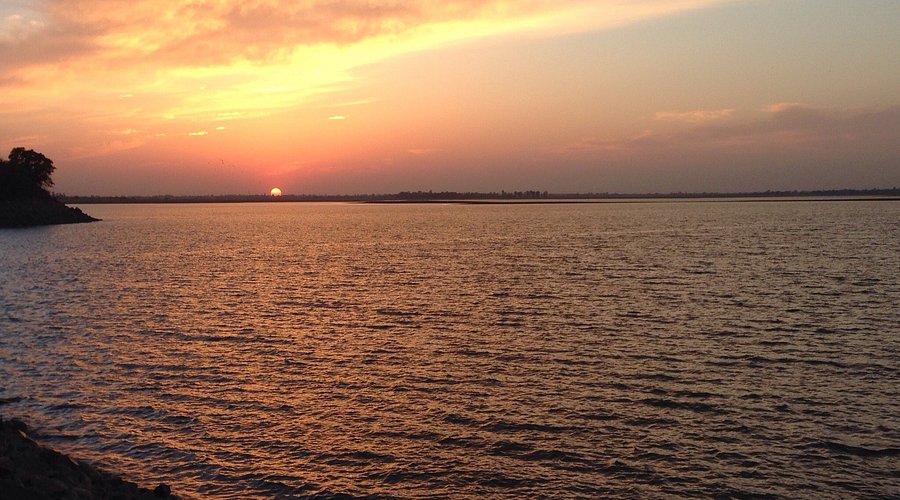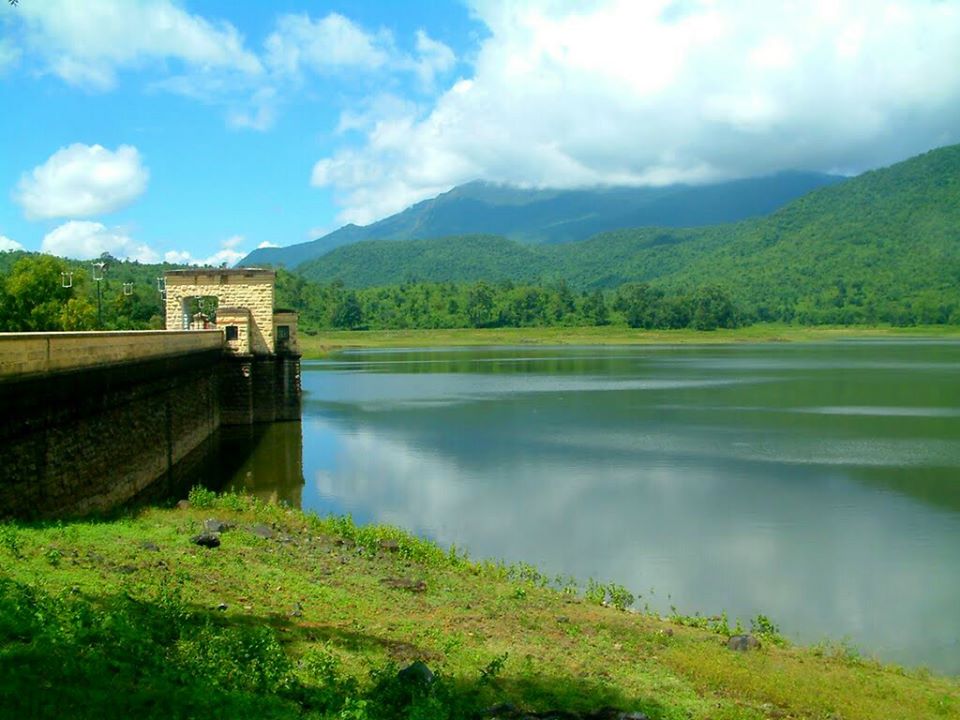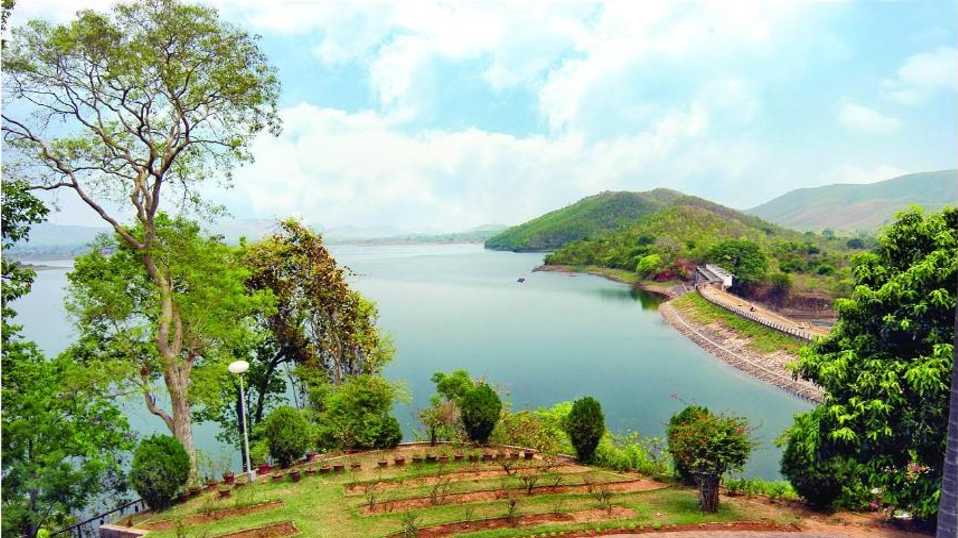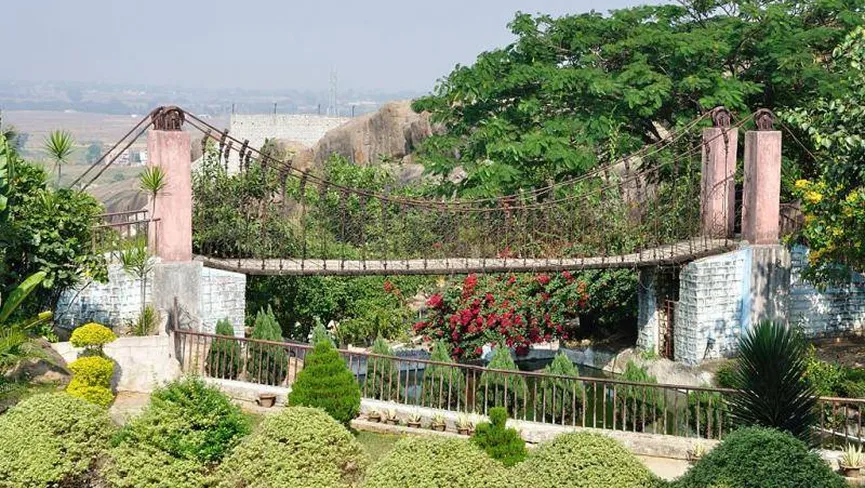
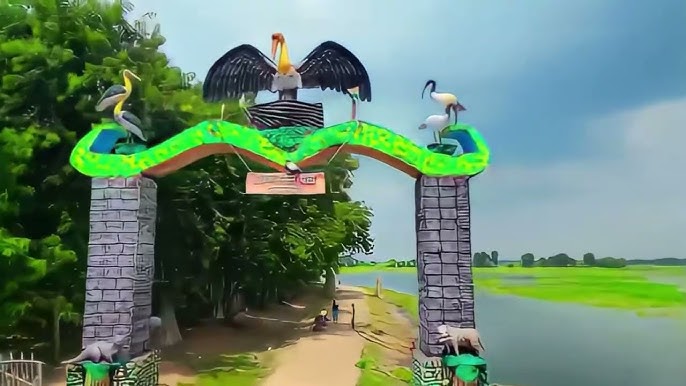
Explore Udhwa Lake Bird Sanctuary in Sahibganj, Jharkhand. Learn about migratory birds, best time to visit, entry fee, boating, nearby attractions, history, wildlife, and travel tips in this complete guide.
Udhwa Lake Bird Sanctuary is one of the most beautiful natural attractions in Jharkhand and holds a special place among wildlife lovers and bird watchers. Located in the Sahibganj district near the border of West Bengal, this sanctuary is famous for its peaceful lakes, seasonal migratory birds, wetlands, and rich biodiversity. It is also the only notified bird sanctuary in Jharkhand, making it an important ecological destination in eastern India.
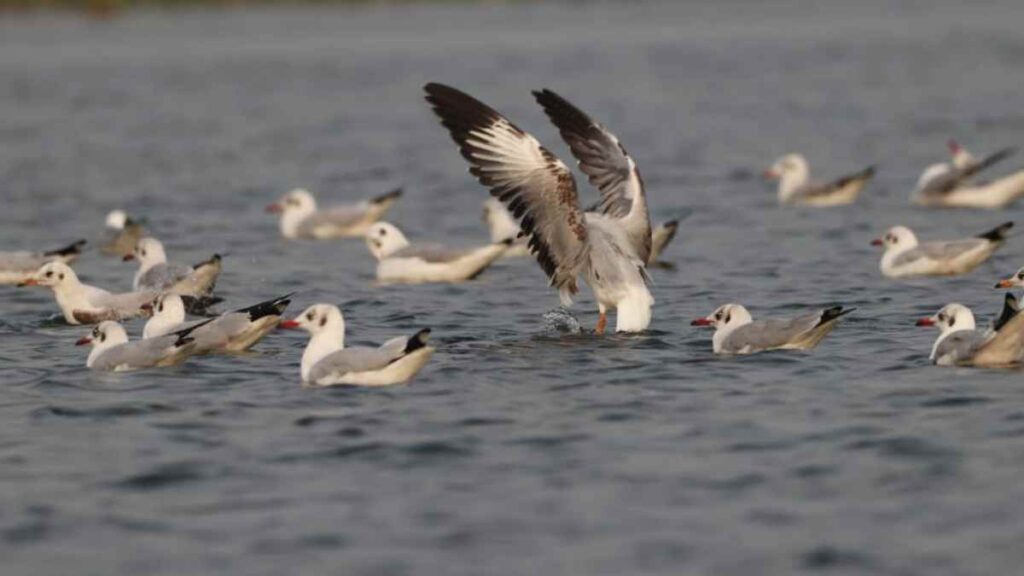
The sanctuary attracts thousands of local and foreign migratory birds every year during winter. Nature photographers, environmental researchers, tourists, and wildlife enthusiasts visit this place to experience the beauty of birds flying over calm waters surrounded by greenery.
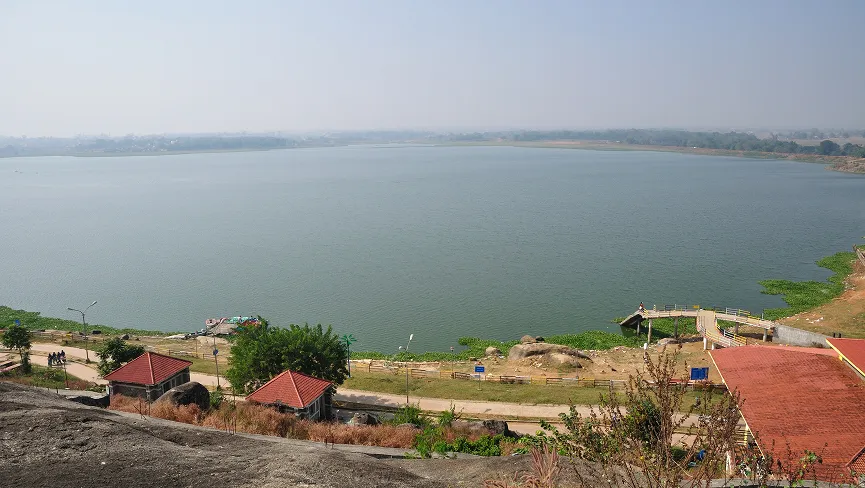
Udhwa Lake Bird Sanctuary consists mainly of two interconnected lakes known as Pataura Lake and Berhale Lake. Together they create a favorable habitat for various aquatic birds and wetland species. During the winter season, the sanctuary becomes colorful with birds arriving from Siberia, Central Asia, and Himalayan regions.
This detailed travel guide covers everything about Udhwa Lake Bird Sanctuary including history, location, biodiversity, birds, flora and fauna, best time to visit, how to reach, nearby attractions, accommodation, conservation importance, travel tips, and FAQs.
History of Udhwa Lake Bird Sanctuary
The history of Udhwa Lake Bird Sanctuary is closely linked with the natural wetlands of the Ganga basin. The lakes existed naturally for centuries and served as feeding and breeding grounds for birds and aquatic species.
Recognizing the ecological importance of the wetlands, the Government of Jharkhand declared the area a bird sanctuary in the year 1991. Since then, the sanctuary has become an important conservation site for migratory birds in eastern India.
The sanctuary spreads over approximately 5.6 square kilometers and protects the fragile ecosystem of wetlands, aquatic vegetation, fishes, and birds. Environmental organizations and forest officials continuously work to preserve the sanctuary from pollution and illegal hunting.
Today, Udhwa Lake Bird Sanctuary is not only a tourist destination but also an educational and ecological research center.
Location of Udhwa Lake Bird Sanctuary
Udhwa Lake Bird Sanctuary is located in Sahibganj district of Jharkhand near the town of Udhwa. It lies close to the border of West Bengal and is easily accessible from nearby railway stations and highways.
Location Details
| Particular | Information |
|---|---|
| Sanctuary Name | Udhwa Lake Bird Sanctuary |
| District | Sahibganj |
| State | Jharkhand |
| Nearest Town | Udhwa |
| Nearest Railway Station | Barharwa Junction |
| Nearest Airport | Bagdogra Airport |
| Famous For | Migratory Birds & Wetlands |
| Area | Around 5.6 sq km |
The sanctuary is situated in a peaceful rural environment surrounded by lakes, wetlands, agricultural fields, and natural vegetation.
Why Udhwa Lake Bird Sanctuary is Famous
Udhwa Lake Bird Sanctuary is famous for several reasons:
1. Only Bird Sanctuary in Jharkhand
It is the only officially recognized bird sanctuary in Jharkhand, making it extremely important for wildlife conservation.
2. Migratory Birds
Thousands of migratory birds arrive here during winter from distant countries and colder regions.
3. Natural Wetlands
The sanctuary contains freshwater wetlands that support aquatic biodiversity.
4. Beautiful Lakes
The calm and scenic lakes create a perfect environment for tourism and photography.
5. Bird Watching Destination
Bird watchers from different states visit the sanctuary to observe rare species.
Lakes Inside the Udhwa Sanctuary
The sanctuary mainly includes two important lakes:
Pataura Lake
Pataura Lake is the larger lake and acts as the primary habitat for migratory birds. The lake contains aquatic vegetation and fishes that attract birds.
Berhale Lake
Berhale Lake is smaller but equally important for wetland biodiversity. It provides resting and nesting areas for birds.
These lakes are interconnected through wetland systems and seasonal water channels.
Birds Found in Udhwa Lake Bird Sanctuary
The sanctuary is home to a large number of resident and migratory birds. During winter, the number of birds increases significantly.
Major Migratory Birds
1. Siberian Crane
The Siberian Crane is among the most admired migratory birds visiting wetland regions.
2. Northern Pintail
This beautiful duck species is commonly seen floating on lake waters.
3. Common Teal
Small in size but very active, Common Teals travel long distances during migration.
4. Red-Crested Pochard
Known for its colorful appearance and attractive red head.
5. Bar-Headed Goose
This high-altitude flying bird is famous worldwide.
6. Egrets
Egrets are commonly found near shallow water areas.
7. Herons
Herons feed on fishes and aquatic insects.
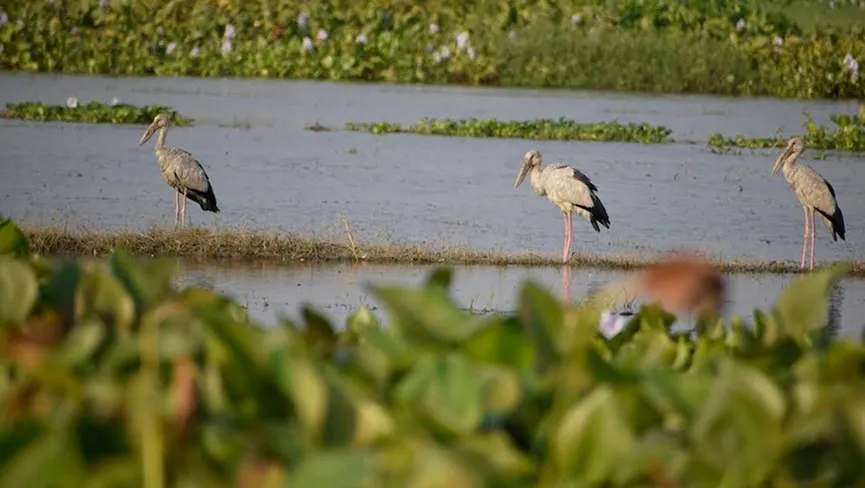
8. Openbill Stork
A large wading bird frequently seen in wetlands.
9. Cormorants
Cormorants are expert diving birds.
10. Kingfishers
These colorful birds attract photographers.
Resident Birds in the Sanctuary
Apart from migratory birds, many local species permanently live in the sanctuary.
Common Resident Birds
- Parrots
- Mynas
- Woodpeckers
- Bulbuls
- Drongos
- Pigeons
- Owls
- Peacocks
- Lapwings
The diversity of birds makes the sanctuary a paradise for bird lovers.
Flora and Vegetation
The sanctuary supports wetland vegetation and aquatic plants.
Major Plant Species
- Lotus
- Water Hyacinth
- Reeds
- Grasses
- Bamboo
- Mango Trees
- Neem Trees
- Banyan Trees
These plants help maintain ecological balance and provide shelter to birds.
Wildlife in Udhwa Lake Bird Sanctuary
Though mainly known for birds, the sanctuary also supports other wildlife species.
Animals Found Here
- Turtles
- Frogs
- Snakes
- Fish species
- Insects
- Small mammals
The wetland ecosystem supports aquatic life that becomes food for birds.
Best Time to Visit Udhwa Lake Bird Sanctuary
The best time to visit the sanctuary is during winter when migratory birds arrive.
Ideal Season
| Season | Experience |
|---|---|
| October to February | Best bird watching season |
| March to June | Hot weather |
| July to September | Monsoon greenery |
Winter mornings are especially beautiful because birds remain highly active.
Weather at Udhwa Lake Bird Sanctuary
Winter
Cool and pleasant weather with excellent visibility for bird watching.
Summer
Hot and humid conditions with reduced bird activity.
Monsoon
Heavy rainfall fills the lakes and improves greenery.
Bird Watching Experience
Bird watching is the main attraction at the sanctuary.
Tourists can enjoy:
- Watching migratory birds
- Photography
- Nature walks
- Sunrise views
- Wetland exploration
Early morning and evening are considered the best times for bird observation.
Photography Opportunities
Udhwa Lake Bird Sanctuary offers excellent photography opportunities.
Best Photography Subjects
- Flying birds
- Water reflections
- Sunrise over lakes
- Wetland landscapes
- Migratory flocks
- Natural vegetation
Nature photographers often spend hours capturing bird movements.
Ecological Importance of the Sanctuary
The sanctuary plays a major role in environmental conservation.
Importance
Wetland Conservation
Wetlands help maintain groundwater and ecological balance.
Bird Migration Support
The sanctuary acts as a resting and feeding station for migratory birds.
Biodiversity Protection
Many species survive because of protected habitats.
Climate Regulation
Wetlands help regulate local climate conditions.
Conservation Efforts
Forest officials and environmental groups work to protect the sanctuary.
Main Conservation Activities
- Preventing illegal hunting
- Water conservation
- Tree plantation
- Bird monitoring
- Eco-tourism awareness
- Pollution control
Public awareness is increasing regarding bird protection.Conservation Efforts
Forest officials and environmental groups work to protect the sanctuary.
Main Conservation Activities
- Preventing illegal hunting
- Water conservation
- Tree plantation
- Bird monitoring
- Eco-tourism awareness
- Pollution control
Public awareness is increasing regarding bird protection.Conservation Efforts
Forest officials and environmental groups work to protect the sanctuary.
Main Conservation Activities
- Preventing illegal hunting
- Water conservation
- Tree plantation
- Bird monitoring
- Eco-tourism awareness
- Pollution control
Public awareness is increasing regarding bird protection.Conservation Efforts
Forest officials and environmental groups work to protect the sanctuary.
Main Conservation Activities
- Preventing illegal hunting
- Water conservation
- Tree plantation
- Bird monitoring
- Eco-tourism awareness
- Pollution control
Public awareness is increasing regarding bird protection.Conservation Efforts
Forest officials and environmental groups work to protect the sanctuary.
Main Conservation Activities
- Preventing illegal hunting
- Water conservation
- Tree plantation
- Bird monitoring
- Eco-tourism awareness
- Pollution control
Public awareness is increasing regarding bird protection.Conservation Efforts
Forest officials and environmental groups work to protect the sanctuary.
Main Conservation Activities
- Preventing illegal hunting
- Water conservation
- Tree plantation
- Bird monitoring
- Eco-tourism awareness
- Pollution control
Public awareness is increasing regarding bird protection.
Threats to the Sanctuary
Despite its importance, the sanctuary faces several challenges.
Major Threats
Pollution
Waste disposal and water pollution affect wetlands.
Encroachment
Human activities reduce natural habitat areas.
Climate Change
Changing weather affects migratory patterns.
Illegal Hunting
Some birds face threats from poaching.
Conservation measures are necessary for long-term protection.
Entry Fee and Timings
Visitors should confirm current details before visiting.
General Timings
| Information | Details |
|---|---|
| Opening Time | 6:00 AM |
| Closing Time | 5:00 PM |
| Best Visiting Hours | Morning & Evening |
Entry charges may vary according to government rules.
How to Reach Udhwa Lake Bird Sanctuary
By Road
The sanctuary is well connected through roads from Sahibganj, Pakur, and Barharwa.
Distance from Major Cities
| City | Distance |
|---|---|
| Sahibganj | Approx. 42 km |
| Barharwa | Approx. 12 km |
| Pakur | Approx. 55 km |
| Ranchi | Approx. 430 km |
Private vehicles and buses are available.
By Train
The nearest railway station is:
Barharwa Junction
Barharwa Junction Railway Station
It is well connected to Kolkata, Ranchi, Patna, and other cities.
By Air
The nearest airport is:
Bagdogra Airport
Bagdogra Airport
From the airport, tourists can hire taxis or use trains.
Accommodation Near Udhwa Lake Bird Sanctuary
Tourists can stay in nearby towns like Sahibganj and Barharwa.
Types of Accommodation
- Budget hotels
- Lodges
- Guest houses
- Tourist accommodations
Advance booking is recommended during peak tourist season.
Food and Local Cuisine
Visitors can enjoy local Jharkhand cuisine and Bengali food nearby.
Popular Foods
- Litti Chokha
- Rice and Fish Curry
- Dhuska
- Chhilka Roti
- Traditional sweets
Tea stalls and local eateries are available around nearby towns.
Nearby Tourist Attractions
Several attractions are located near Udhwa Lake Bird Sanctuary.
1. Rajmahal Hills
Rajmahal Hills is famous for scenic beauty and geological importance.
Attractions
- Hills
- Fossils
- Historical importance
2. Moti Jharna
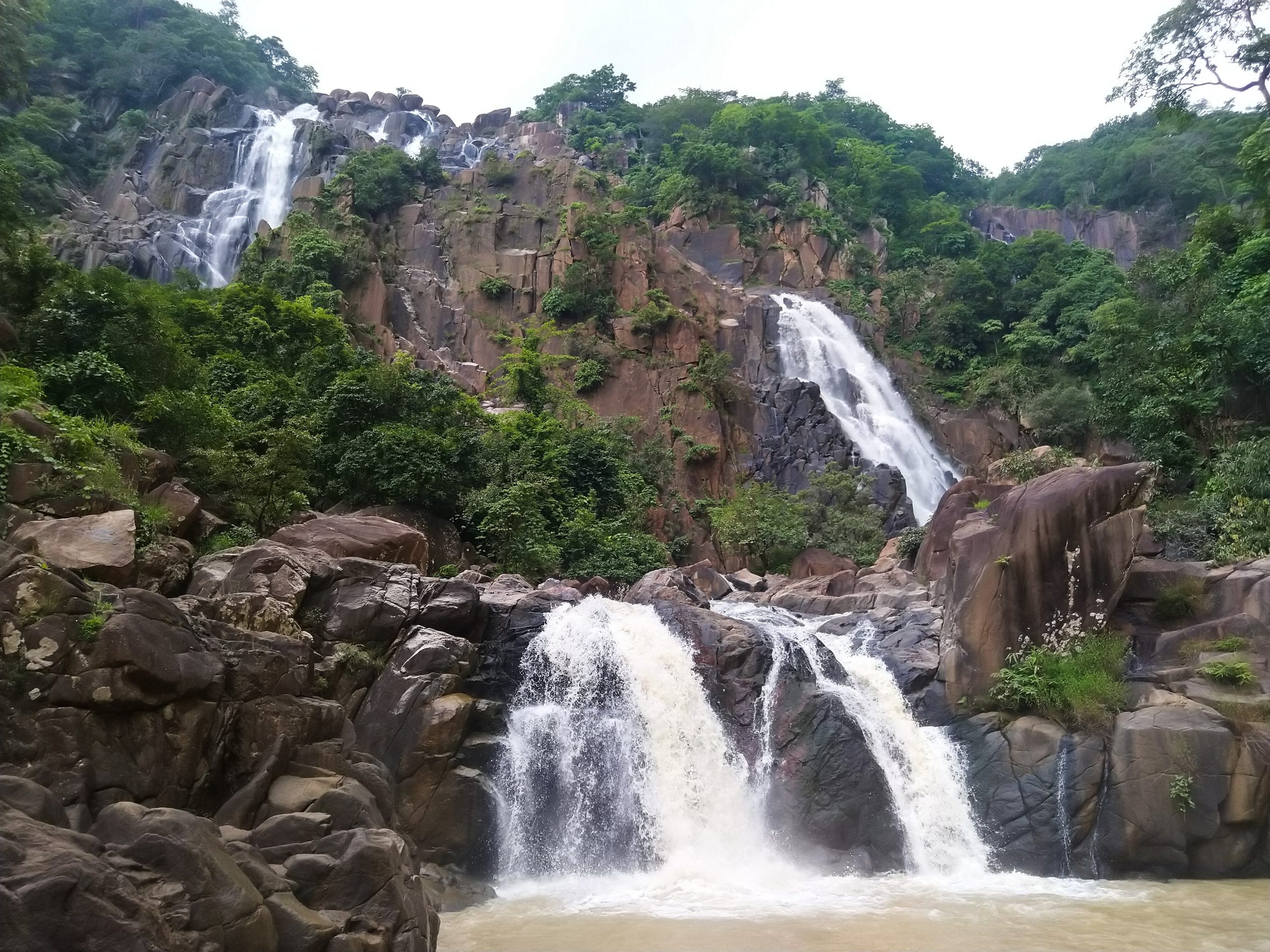
Moti Jharna is a beautiful waterfall surrounded by greenery.
3. Teliagarhi Fort
Teliagarhi Fort is a historical fort connected with Mughal history.
4. Sahibganj Riverfront
The Ganga riverfront in Sahibganj offers beautiful sunset views.
Importance for Tourism in Jharkhand
Udhwa Lake Bird Sanctuary contributes significantly to eco-tourism in Jharkhand.
Tourism Benefits
- Generates employment
- Encourages conservation
- Promotes rural tourism
- Supports local businesses
- Increases environmental awareness
The sanctuary has the potential to become one of eastern India’s major bird tourism destinations.
Educational and Research Importance
Researchers and students frequently visit the sanctuary for ecological studies.
Research Topics
- Bird migration
- Wetland ecosystems
- Biodiversity conservation
- Aquatic ecology
- Climate change impact
Educational tours are organized by institutions.
Travel Tips for Visitors
Important Tips
Carry Binoculars
Bird watching becomes more enjoyable with binoculars.
Visit Early Morning
Bird activity remains highest during sunrise.
Wear Comfortable Clothes
Light and comfortable clothing is recommended.
Avoid Loud Noise
Noise disturbs birds and wildlife.
Carry Water and Snacks
Facilities inside the sanctuary may be limited.
Respect Nature
Do not throw plastic or waste.
Suggested One-Day Itinerary
Morning
- Arrive early
- Bird watching
- Photography
Afternoon
- Explore nearby wetlands
- Lunch at local eateries
Evening
- Sunset photography
- Visit nearby attractions
Interesting Facts About Udhwa Lake Bird Sanctuary
- It is Jharkhand’s only bird sanctuary.
- Thousands of migratory birds visit annually.
- The sanctuary contains natural freshwater lakes.
- It plays an important role in wetland conservation.
- Bird species arrive from Siberia and Central Asia.
Future Development Possibilities
The sanctuary can become a major eco-tourism center with proper infrastructure.
Possible Improvements
- Better roads
- Tourist information centers
- Eco-resorts
- Guided tours
- Bird interpretation centers
- Boating facilities
Sustainable tourism can improve local livelihoods while protecting nature.
Frequently Asked Questions (FAQs)
1. Where is Udhwa Lake Bird Sanctuary located?
Udhwa Lake Bird Sanctuary is located in Sahibganj district of Jharkhand near Barharwa town.
2. Why is Udhwa Lake Bird Sanctuary famous?
It is famous for migratory birds, wetlands, bird watching, and being the only bird sanctuary in Jharkhand.
3. What is the best time to visit Udhwa Lake Bird Sanctuary?
The best time to visit is from October to February.
4. Which birds are found in the sanctuary?
Birds like Northern Pintail, Egrets, Herons, Bar-Headed Goose, Kingfishers, and Openbill Storks are commonly found.
5. What are the main lakes inside the sanctuary?
Pataura Lake and Berhale Lake are the two major lakes.
6. How can I reach Udhwa Lake Bird Sanctuary?
You can reach via road, train through Barharwa Junction, or nearby airports.
7. Is photography allowed in the sanctuary?
Yes, nature and bird photography are popular activities.
8. Is boating available at Udhwa Lake Bird Sanctuary?
Boating facilities may be available seasonally depending on local arrangements.
9. What is the nearest railway station?
Barharwa Junction is the nearest railway station.
10. Is Udhwa Lake Bird Sanctuary suitable for family trips?
Yes, it is an excellent destination for families, students, photographers, and nature lovers
Conclusion
Udhwa Lake Bird Sanctuary is one of the hidden natural treasures of Jharkhand. With its peaceful lakes, migratory birds, wetlands, and scenic beauty, the sanctuary offers a memorable experience for nature lovers and wildlife enthusiasts.
As the only bird sanctuary in the state, it holds immense ecological importance and contributes greatly to biodiversity conservation. The arrival of migratory birds during winter transforms the sanctuary into a paradise for bird watchers and photographers.
Whether you are interested in wildlife photography, eco-tourism, bird watching, or peaceful natural landscapes, Udhwa Lake Bird Sanctuary is definitely worth visiting. Proper conservation efforts and responsible tourism can help preserve this beautiful wetland ecosystem for future generations.
About Us – JharTravel
Welcome to JharTravel — your trusted travel companion for discovering the hidden beauty, culture, history, and tourism of Jharkhand and across India.
My name is Md Mokarram, and I am proudly from Jharkhand. I created JharTravel with a simple mission: to help travelers explore the real beauty of Jharkhand, Bihar, and other amazing destinations through authentic travel guides, hotel information, food blogs, pilgrimage details, and local experiences.
At JharTravel, we believe that every destination has a unique story. From waterfalls, hills, temples, and forests to street food, local culture, and budget travel tips — we provide informative and easy-to-understand travel content for every type of traveler.
Our website covers:
- Travel guides for famous and hidden destinations
- Tourist places in Jharkhand, Bihar, and India
- Hotels, lodges, and homestay recommendations
- Religious and pilgrimage travel guides
- Street food and local cuisine blogs
- Travel tips, itineraries, and budget guides
- SEO-friendly and regularly updated travel articles
Whether you are planning a family trip, solo adventure, spiritual journey, or weekend getaway, JharTravel helps you make your journey easier and more memorable.
As a traveler and blogger from Jharkhand, I personally enjoy exploring new places and sharing genuine travel experiences with readers. Every article on JharTravel is written with passion, research, and the goal of helping travelers discover the beauty of India.
Thank you for visiting JharTravel and being part of this travel journey.
Contact Information
- Founder: Md Mokarram
- Website: https://jhartravel.com/
- Location: Jharkhand
“Final Two Words”
Thank you for visiting JharTravel, a travel platform created with passion and dedication by Md Mokarram from Jharkhand. Our goal is to provide helpful, accurate, and easy-to-read travel information for travelers who want to explore the beauty of Jharkhand, Bihar, and India. From hidden tourist spots and religious places to hotels, food, and travel tips, we aim to make every journey memorable and budget-friendly. We truly appreciate your support and trust in our content. Keep exploring new destinations with JharTravel and make every trip an unforgettable experience filled with adventure, culture, and beautiful memories.
- 1 Explore Udhwa Lake Bird Sanctuary in Sahibganj, Jharkhand. Learn about migratory birds, best time to visit, entry fee, boating, nearby attractions, history, wildlife, and travel tips in this complete guide.
- 2 History of Udhwa Lake Bird Sanctuary
- 3 Location of Udhwa Lake Bird Sanctuary
- 4 Location Details
- 5 Why Udhwa Lake Bird Sanctuary is Famous
- 6 1. Only Bird Sanctuary in Jharkhand
- 7 2. Migratory Birds
- 8 3. Natural Wetlands
- 9 4. Beautiful Lakes
- 10 5. Bird Watching Destination
- 11 Lakes Inside the Udhwa Sanctuary
- 12 Pataura Lake
- 13 Berhale Lake
- 14 Birds Found in Udhwa Lake Bird Sanctuary
- 15 Major Migratory Birds
- 16 Resident Birds in the Sanctuary
- 17 Common Resident Birds
- 18 Flora and Vegetation
- 19 Major Plant Species
- 20 Wildlife in Udhwa Lake Bird Sanctuary
- 21 Animals Found Here
- 22 Best Time to Visit Udhwa Lake Bird Sanctuary
- 23 Ideal Season
- 24 Weather at Udhwa Lake Bird Sanctuary
- 25 Winter
- 26 Summer
- 27 Monsoon
- 28 Bird Watching Experience
- 29 Photography Opportunities
- 30 Best Photography Subjects
- 31 Ecological Importance of the Sanctuary
- 32 Importance
- 33 Main Conservation Activities
- 34 Main Conservation Activities
- 35 Main Conservation Activities
- 36 Main Conservation Activities
- 37 Main Conservation Activities
- 38 Main Conservation Activities
- 39 Threats to the Sanctuary
- 40 Major Threats
- 41 Entry Fee and Timings
- 42 General Timings
- 43 How to Reach Udhwa Lake Bird Sanctuary
- 44 By Road
- 45 By Train
- 46 By Air
- 47 Accommodation Near Udhwa Lake Bird Sanctuary
- 48 Types of Accommodation
- 49 Food and Local Cuisine
- 50 Popular Foods
- 51 Nearby Tourist Attractions
- 52 1. Rajmahal Hills
- 53 2. Moti Jharna
- 54 3. Teliagarhi Fort
- 55 4. Sahibganj Riverfront
- 56 Importance for Tourism in Jharkhand
- 57 Tourism Benefits
- 58 Educational and Research Importance
- 59 Research Topics
- 60 Travel Tips for Visitors
- 61 Important Tips
- 62 Suggested One-Day Itinerary
- 63 Morning
- 64 Afternoon
- 65 Evening
- 66 Interesting Facts About Udhwa Lake Bird Sanctuary
- 67 Future Development Possibilities
- 68 Possible Improvements
- 69 1. Where is Udhwa Lake Bird Sanctuary located?
- 70 2. Why is Udhwa Lake Bird Sanctuary famous?
- 71 3. What is the best time to visit Udhwa Lake Bird Sanctuary?
- 72 4. Which birds are found in the sanctuary?
- 73 5. What are the main lakes inside the sanctuary?
- 74 6. How can I reach Udhwa Lake Bird Sanctuary?
- 75 7. Is photography allowed in the sanctuary?
- 76 8. Is boating available at Udhwa Lake Bird Sanctuary?
- 77 9. What is the nearest railway station?
- 78 10. Is Udhwa Lake Bird Sanctuary suitable for family trips?
- 79 About Us – JharTravel
- 80 “Final Two Words”