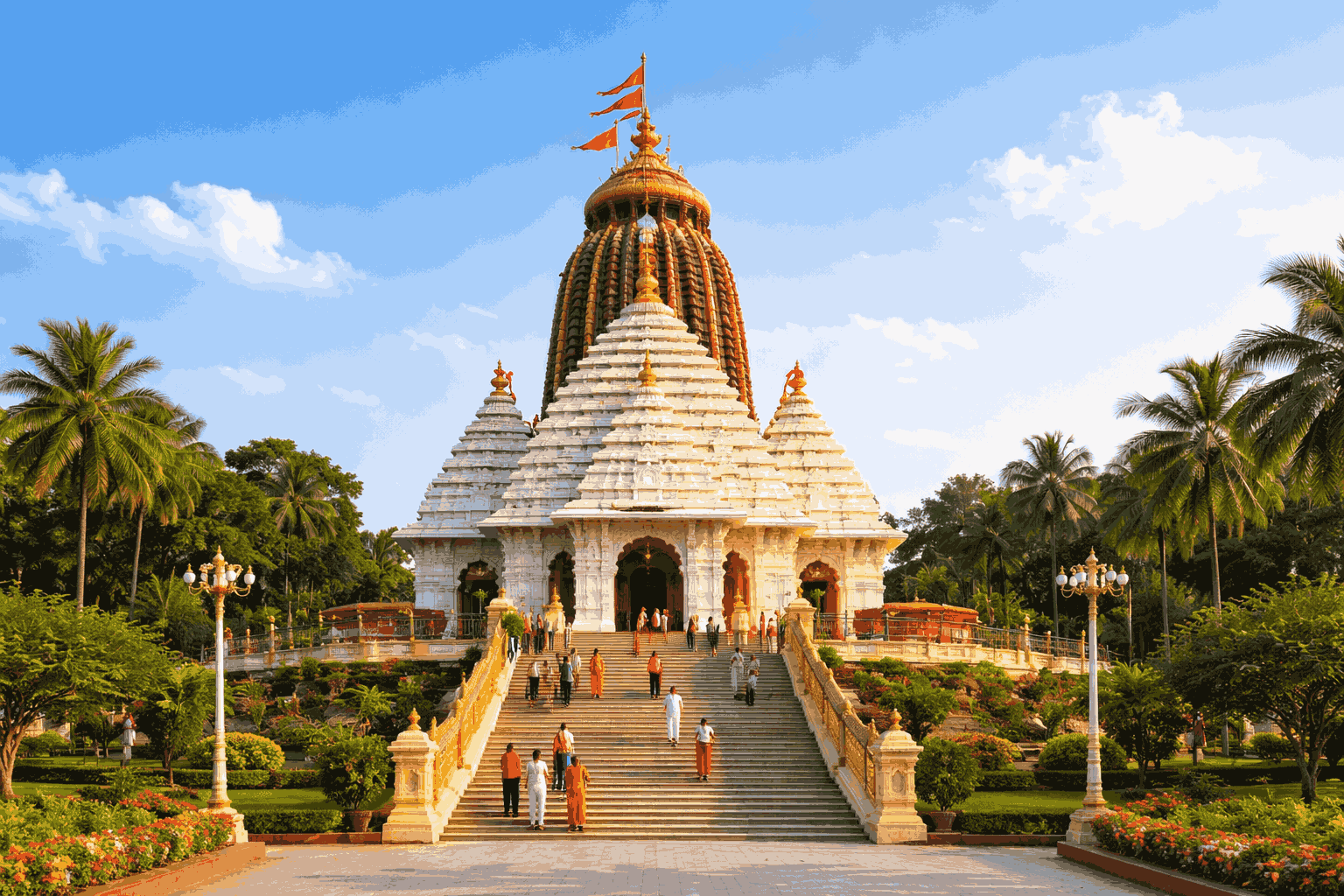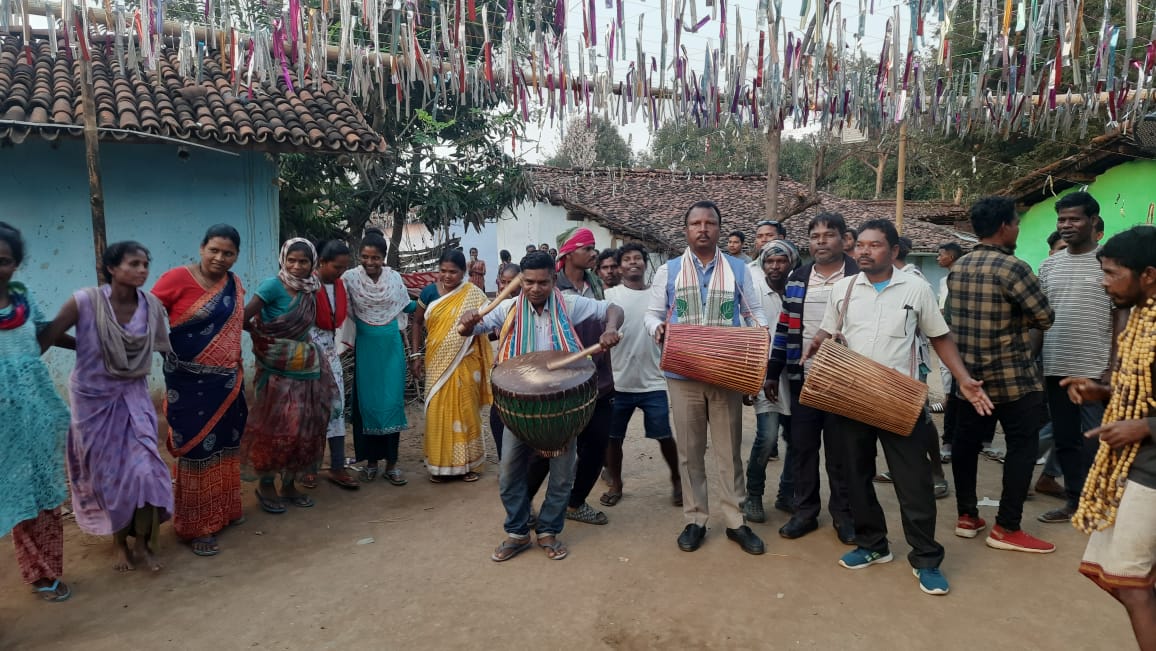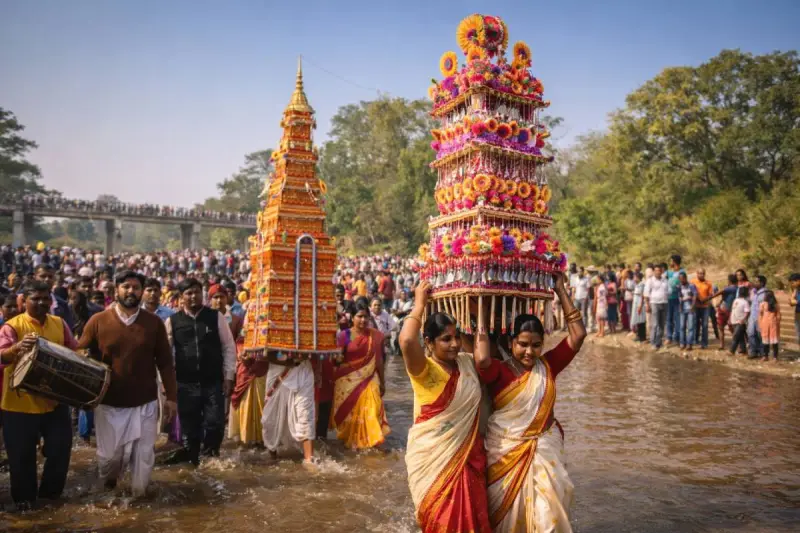
Explore the Karma Festival of Jharkhand, a famous tribal festival celebrated with traditional dance, music, rituals, and worship of the Karma tree. Learn about its history, significance, customs, and cultural importance.
The Karma Festival is one of the most important and vibrant tribal festivals celebrated across Jharkhand, Chhattisgarh, Odisha, Bihar, West Bengal, and Madhya Pradesh. It is especially significant among tribal communities such as the Oraon, Munda, Ho, Santhal, Kharia, and Mahli tribes. This festival reflects the deep connection between nature, agriculture, community life, and cultural traditions.
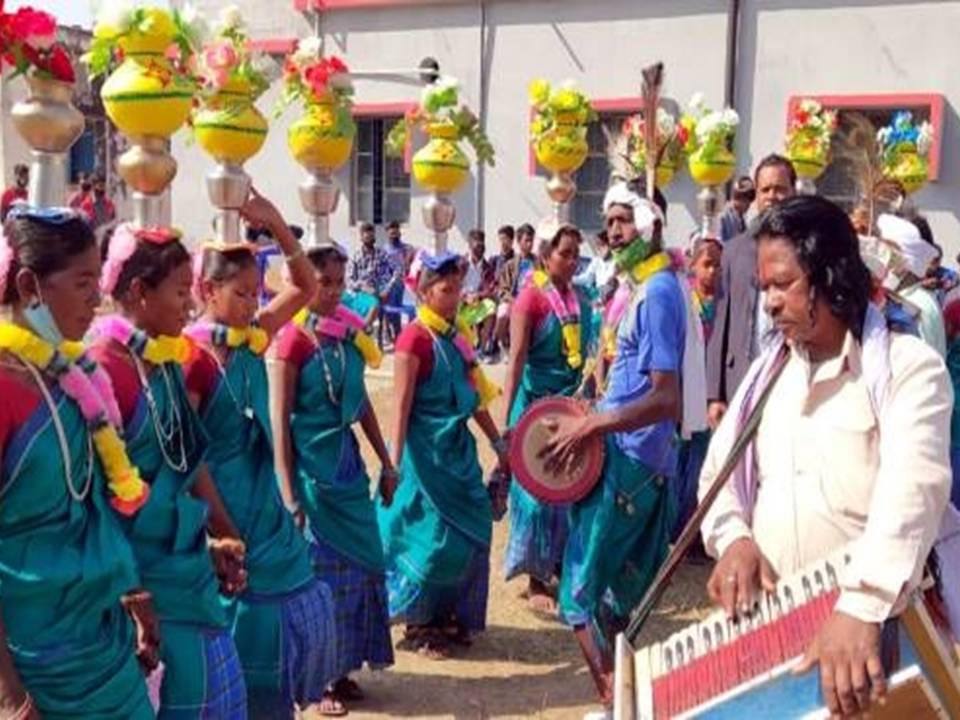
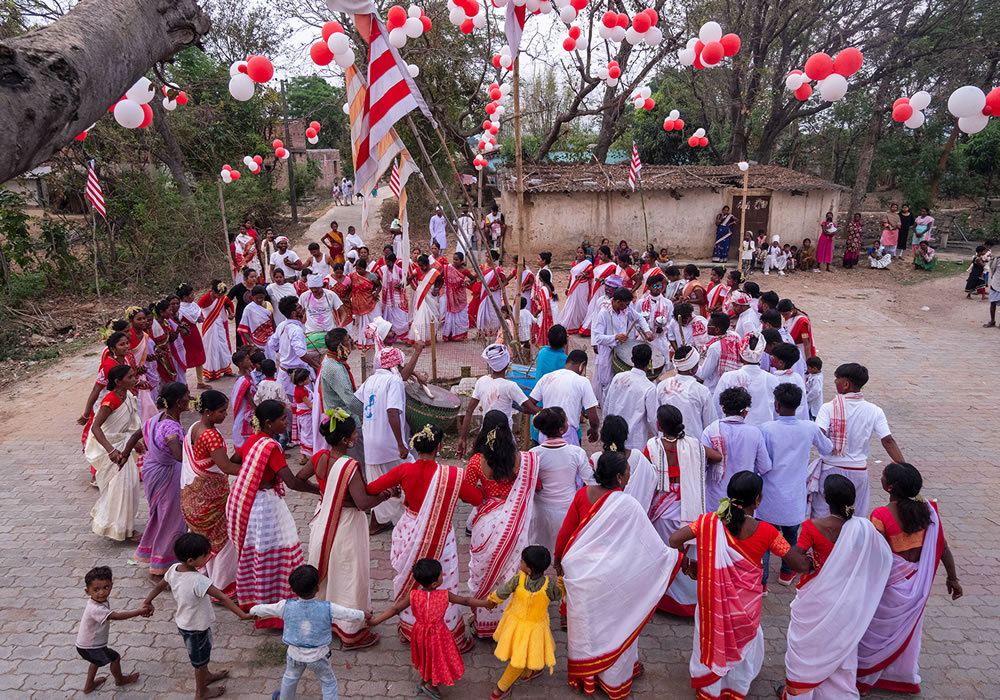
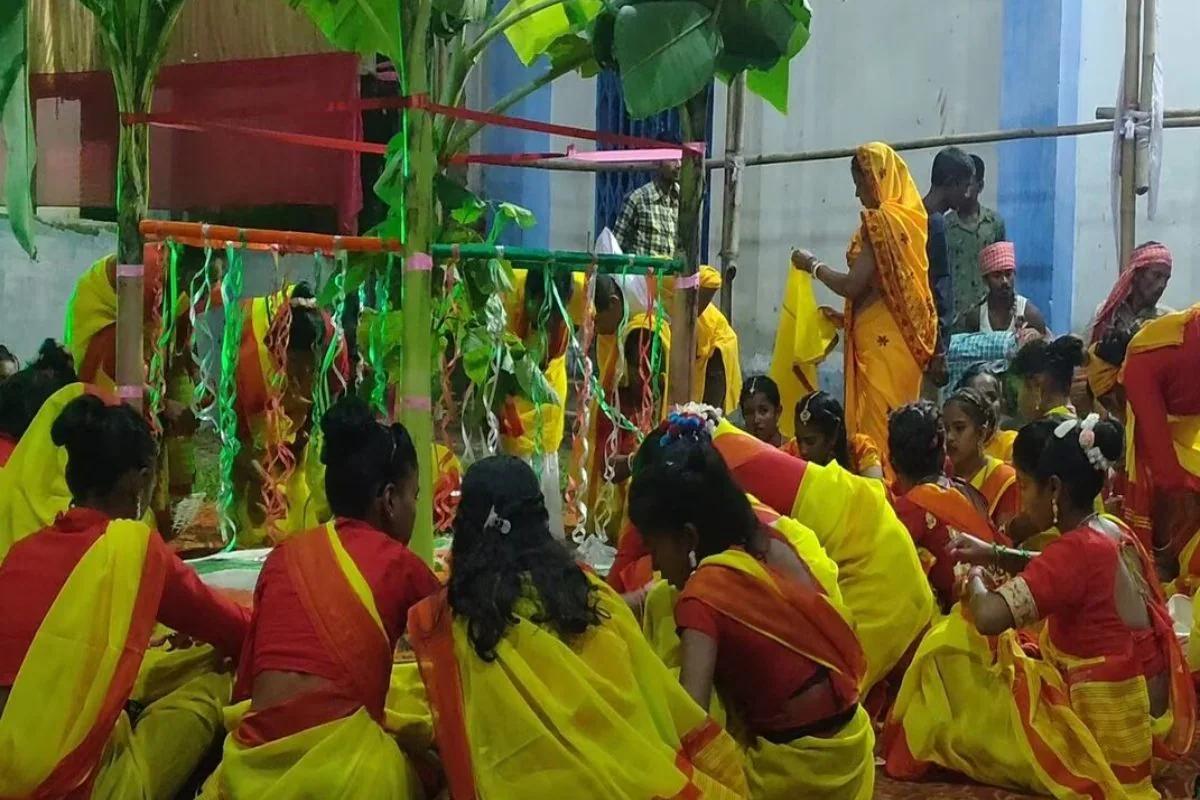
Karma Festival is not merely a religious celebration; it is a grand expression of tribal identity, unity, and respect for nature. The festival is celebrated with immense enthusiasm through traditional songs, dances, rituals, and community gatherings. Young men and women actively participate in the festivities, making it one of the most colorful cultural events in eastern India.
In Jharkhand, where tribal culture forms the foundation of society, Karma Festival holds a special place in people’s hearts. The celebration highlights the importance of trees, forests, agriculture, and social harmony.
What is Karma Festival?
Karma Festival, also known as Karam Parab, is a harvest and nature worship festival celebrated by various tribal communities. The festival revolves around the worship of the Karma tree, scientifically known as Nauclea parvifolia.
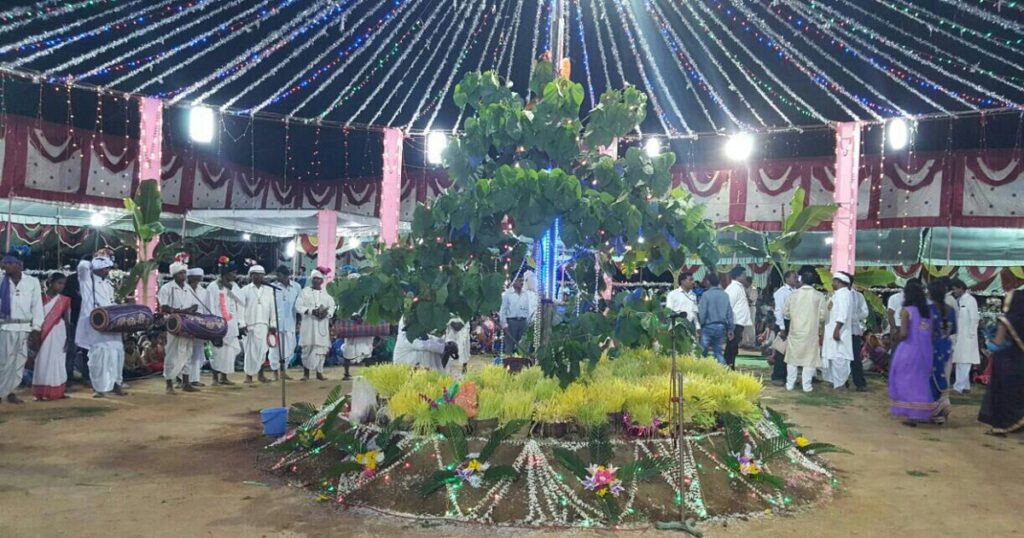
The Karma tree is considered sacred and symbolizes prosperity, fertility, happiness, and good fortune. During the festival, branches of the Karma tree are brought to the village and worshipped by the community.
The celebration usually takes place during the Hindu month of Bhadra (August–September), marking the agricultural season and praying for a good harvest.
History of Karma Festival
The origins of Karma Festival date back centuries and are deeply rooted in tribal folklore and traditions.
According to tribal legends, there were seven brothers who lived together. Six brothers were hardworking farmers, while the youngest brother, named Karam, was deeply devoted to nature and spirituality.
One day, the elder brothers became upset because Karam spent more time worshipping nature than working in the fields. In anger, they cut down the sacred Karma tree.
Soon after, misfortune struck the family. Their crops failed, livestock became weak, and happiness disappeared from their lives.
Realizing their mistake, the brothers sought forgiveness and replanted the Karma tree. Prosperity returned, and since then, tribal communities have celebrated Karma Festival to honor nature and seek blessings for a prosperous life.
This legend teaches respect for nature, environmental conservation, and the importance of maintaining harmony between humans and the natural world.
Significance of Karma Festival
Karma Festival holds immense cultural, social, and spiritual significance.
1. Nature Worship
The festival emphasizes the importance of trees and forests. Tribals consider nature a living entity deserving respect and protection.
2. Agricultural Prosperity
Farmers pray for abundant crops, favorable weather, and protection from natural calamities.
3. Community Unity
The festival brings together people from different villages and communities, strengthening social bonds.
4. Youth Participation
Young men and women actively participate in dances and songs, preserving traditional cultural heritage.
5. Environmental Awareness
The worship of the Karma tree promotes environmental conservation and sustainable living.
When is Karma Festival Celebrated?
Karma Festival is usually celebrated on the eleventh day (Ekadashi) of the bright fortnight of the Bhadra month.
The exact date varies according to the traditional tribal calendar and lunar cycle.
The festival generally falls between August and September, coinciding with the growing agricultural season.
Communities Celebrating Karma Festival
Several tribal communities celebrate Karma Festival, including:
- Oraon Tribe
- Munda Tribe
- Ho Tribe
- Santhal Tribe
- Kharia Tribe
- Mahli Tribe
- Bhumij Tribe
- Gond Tribe
Although customs may vary slightly among communities, the core rituals remain similar.
Preparations for Karma Festival
Preparations begin several days before the festival.
Cleaning Villages
Homes, courtyards, and village paths are thoroughly cleaned.
Collecting Sacred Branches
Young men visit nearby forests to collect branches of the sacred Karma tree.
Traditional Decorations
Villages are decorated with flowers, leaves, and traditional tribal art.
Preparation of Food
Families prepare traditional dishes and beverages for the celebration.
Practice of Dance and Songs
Youth groups rehearse traditional Karma dance performances.
Rituals of Karma Festival
Bringing the Karma Branch
One of the most important rituals involves bringing branches of the Karma tree from the forest.
The branches are carried with music and dance and installed in the village center.
Worship Ceremony
Village priests conduct rituals and offer:
- Rice
- Flowers
- Milk
- Grains
- Fruits
- Traditional offerings
Prayers are offered for prosperity and well-being.
Fasting
Many women observe fasting and pray for family happiness and prosperity.
Singing Traditional Songs
Special Karma songs are sung throughout the night.
Community Gathering
People gather around the sacred branch and participate in cultural programs.
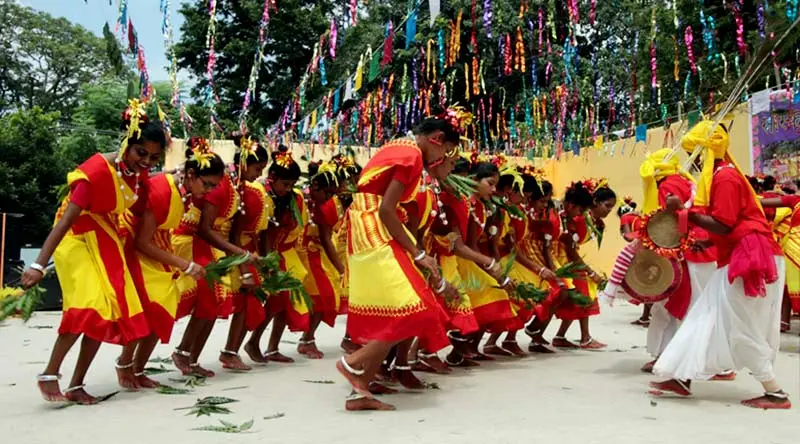
Karma Dance: The Soul of the Festival
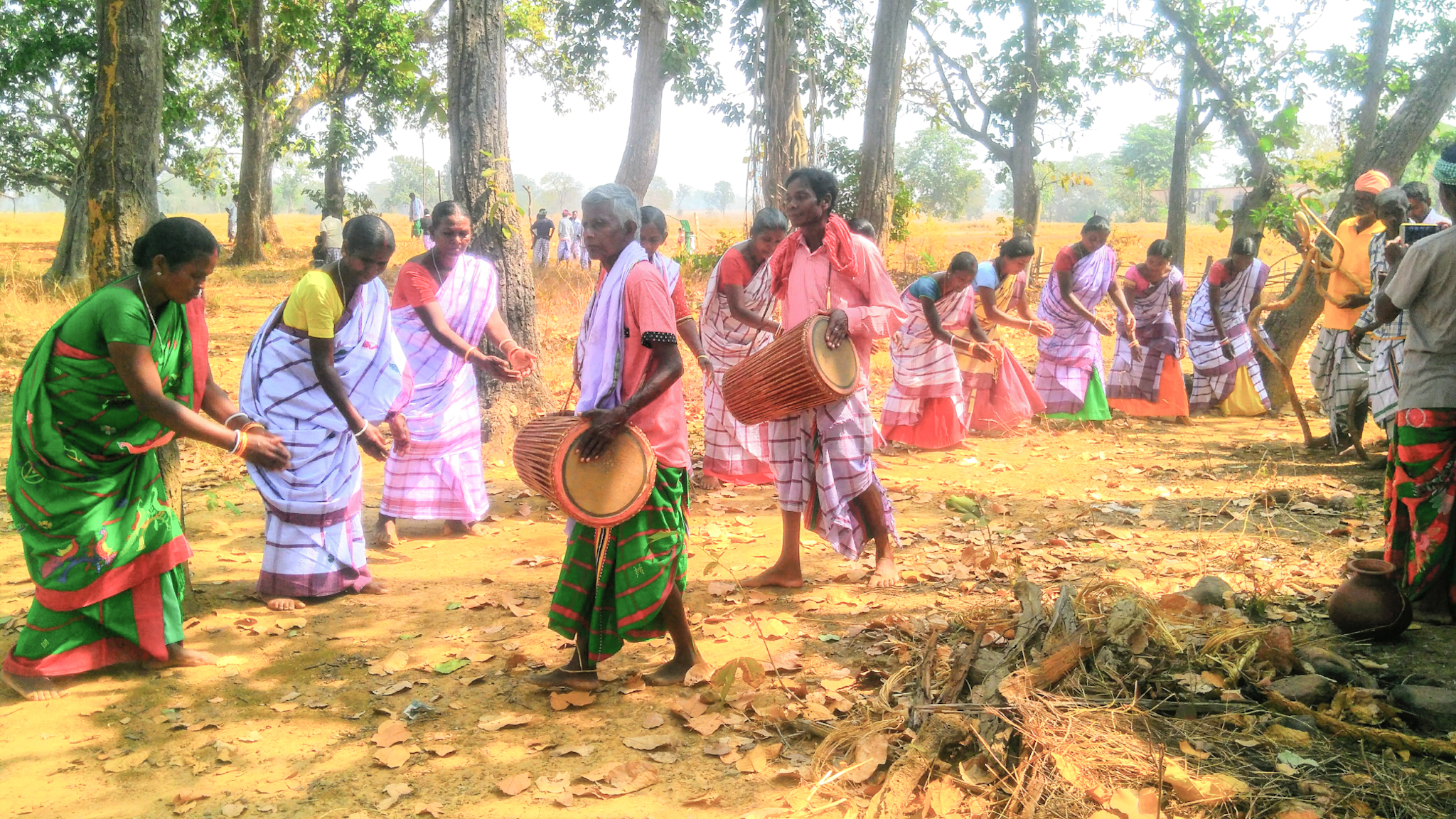
One of the most attractive features of Karma Festival is the famous Karma Dance.
Features of Karma Dance
- Performed in groups.
- Men and women dance together.
- Circular formations are common.
- Movements are rhythmic and graceful.
- Traditional musical instruments accompany the dance.
Musical Instruments Used
- Mandar
- Dhol
- Nagara
- Flute
- Jhanjh
- Kartal
The energetic beats create a festive atmosphere that lasts all night.
Traditional Attire During Karma Festival
Men’s Attire
- Dhoti
- Turban
- Traditional ornaments
- Colorful scarves
Women’s Attire
- Traditional tribal sarees
- Silver jewelry
- Beaded necklaces
- Decorative hair accessories
The colorful attire adds beauty and vibrancy to the celebration.
Traditional Foods of Karma Festival
Food plays an important role in the festival.
Popular dishes include:
Dhuska
A traditional Jharkhand snack made from rice and lentils.
Handia
Traditional rice-based tribal beverage.
Arsa Roti
Sweet rice flour preparation.
Pitha
Traditional rice cakes.
Rice and Vegetable Dishes
Locally grown vegetables and grains are widely used.
Karma Songs and Folk Music
Traditional Karma songs narrate stories of:
- Nature
- Love
- Agriculture
- Tribal heroes
- Community life
These songs are passed down through generations and help preserve tribal heritage.
The lyrics often express gratitude toward nature and prayers for prosperity.
Importance of Karma Tree
The Karma tree occupies a sacred place in tribal belief systems.
Symbol of Prosperity
The tree is believed to bring wealth and happiness.
Fertility and Growth
It represents growth in agriculture and family life.
Environmental Conservation
Its worship promotes forest protection.
Spiritual Significance
The tree is considered a bridge between humans and divine forces.
Karma Festival in Jharkhand
Jharkhand is considered one of the major centers of Karma Festival celebrations.
The festival is celebrated with great enthusiasm in districts such as:
- Ranchi
- Gumla
- Simdega
- Lohardaga
- Khunti
- West Singhbhum
- East Singhbhum
- Latehar
- Palamu
- Hazaribagh
Village communities organize grand cultural events showcasing traditional tribal heritage.
Economic Impact of Karma Festival
The festival contributes to local economies through:
Handicraft Sales
Artisans sell traditional tribal products.
Local Markets
Special markets attract large crowds.
Tourism Development
Visitors come to witness tribal culture and traditions.
Employment Opportunities
Cultural events generate temporary employment.
Cultural Importance of Karma Festival
The festival plays a significant role in preserving tribal identity.
Preservation of Folk Traditions
Ancient customs remain alive through annual celebrations.
Intergenerational Learning
Young people learn traditions from elders.
Social Harmony
The festival promotes cooperation and community spirit.
Cultural Pride
It strengthens tribal cultural identity.
Karma Festival and Environmental Conservation
Modern environmentalists often highlight Karma Festival as an example of sustainable cultural practices.
Key environmental messages include:
- Tree protection
- Forest conservation
- Respect for biodiversity
- Sustainable agriculture
- Harmony with nature
These values are increasingly relevant in today’s world.
Tourism Potential of Karma Festival
The festival has significant tourism potential.
Visitors can experience:
- Traditional tribal dance
- Folk music
- Authentic cuisine
- Cultural performances
- Village life
- Indigenous traditions
Cultural tourism based on Karma Festival can contribute to sustainable development in Jharkhand.
Challenges Facing Karma Festival
Despite its popularity, several challenges exist.
Urbanization
Modern lifestyles are reducing participation among youth.
Cultural Erosion
Traditional practices face pressure from modernization.
Deforestation
Declining forest cover threatens the availability of sacred Karma trees.
Migration
Migration to cities reduces community participation.
Efforts are being made to preserve and promote the festival.
Government Initiatives
Government agencies and cultural organizations support Karma Festival through:
- Cultural preservation programs
- Tribal welfare schemes
- Tourism promotion
- Folk dance competitions
- Educational awareness campaigns
These efforts help protect tribal heritage.
Why Karma Festival is Unique
Karma Festival stands apart because:
- It celebrates nature directly.
- It combines religion, culture, and agriculture.
- It promotes environmental awareness.
- It strengthens community bonds.
- It preserves tribal traditions.
Few festivals in India showcase the relationship between humans and nature as beautifully as Karma Festival.
Future of Karma Festival
The future of Karma Festival depends on preserving traditional knowledge while adapting to modern realities.
Important measures include:
- Cultural education in schools
- Documentation of folk traditions
- Promotion of eco-tourism
- Forest conservation
- Youth participation programs
With proper support, Karma Festival can continue inspiring future generations.
Karma Festival FAQs (Frequently Asked Questions)
1. What is Karma Festival?
Karma Festival, also known as Karam Parab, is a traditional tribal festival celebrated mainly in Jharkhand and neighboring states. It is dedicated to the worship of the sacred Karma tree and symbolizes prosperity, happiness, and agricultural abundance.
2. Why is Karma Festival celebrated?
The festival is celebrated to seek blessings for a good harvest, family well-being, prosperity, and protection from natural calamities. It also reflects the tribal communities’ deep respect for nature and forests.
3. When is Karma Festival celebrated?
Karma Festival is usually celebrated in the month of Bhadra (August–September) on the Ekadashi (11th day) of the bright lunar fortnight according to the traditional Hindu calendar.
4. Which states celebrate Karma Festival?
Karma Festival is widely celebrated in Jharkhand, Bihar, Odisha, Chhattisgarh, West Bengal, Madhya Pradesh, and some parts of Uttar Pradesh.
5. Which tribal communities celebrate Karma Festival?
The festival is celebrated by several tribal communities, including the Oraon, Munda, Ho, Santhal, Kharia, Bhumij, Mahli, and Gond tribes.
6. What is the significance of the Karma tree?
The Karma tree is considered sacred and symbolizes fertility, prosperity, good fortune, and harmony with nature. Tribal communities worship the tree during the festival to seek blessings for a successful agricultural season.
7. What are the main rituals of Karma Festival?
The main rituals include bringing branches of the Karma tree from the forest, installing them in the village, performing prayers, offering grains and flowers, singing traditional songs, and participating in community dances.
8. What is Karma Dance?
Karma Dance is a traditional folk dance performed during the festival. Men and women dance together in groups to the rhythm of drums, flutes, and other traditional musical instruments.
9. What musical instruments are used during Karma Festival?
Traditional instruments such as Mandar, Dhol, Nagara, Flute, Kartal, and Jhanjh are commonly used during Karma Festival celebrations.
10. Do women observe fasting during Karma Festival?
Yes, many women observe a fast and pray for the happiness, health, and prosperity of their families during the festival.
11. What foods are prepared during Karma Festival?
Traditional dishes such as Dhuska, Pitha, Arsa Roti, rice preparations, and local tribal delicacies are commonly prepared during the celebration.
12. How does Karma Festival promote environmental conservation?
The festival encourages people to respect and protect trees, forests, and natural resources. Worshipping the Karma tree highlights the importance of environmental preservation and sustainable living.
13. What is the cultural importance of Karma Festival?
Karma Festival helps preserve tribal traditions, folk music, dance forms, and cultural identity. It strengthens social unity and passes traditional knowledge to younger generations.
14. Is Karma Festival related to agriculture?
Yes, Karma Festival is closely connected to agriculture. Farmers pray for healthy crops, favorable weather conditions, and a successful harvest season.
15. Can tourists attend Karma Festival celebrations?
Yes, tourists can experience Karma Festival in many tribal regions of Jharkhand and neighboring states. The festival offers a unique opportunity to witness authentic tribal culture, folk dances, music, and traditional customs.
16. What is the message of Karma Festival?
The festival conveys the message of living in harmony with nature, respecting the environment, maintaining community unity, and valuing cultural traditions.
17. How long does Karma Festival last?
The main celebration usually lasts one day and night, but cultural activities and preparations often continue for several days before and after the festival.
18. Why is Karma Festival important in Jharkhand?
Karma Festival is one of the most significant tribal festivals in Jharkhand because it reflects the state’s rich indigenous heritage, cultural diversity, and strong connection with nature and agriculture.
19. Is Karma Festival celebrated in urban areas?
Yes, many tribal communities living in towns and cities also celebrate Karma Festival to preserve their cultural roots and traditions.
20. What makes Karma Festival unique among Indian festivals?
Karma Festival is unique because it combines nature worship, agricultural traditions, folk music, community participation, and environmental awareness into a single vibrant celebration that has been preserved for generations.
Conclusion
Karma Festival is much more than a tribal celebration; it is a living symbol of Jharkhand’s rich cultural heritage and deep respect for nature. Celebrated with devotion, music, dance, and community participation, the festival highlights the values of environmental conservation, social harmony, and agricultural prosperity.
For centuries, tribal communities have preserved this unique tradition, passing it from one generation to the next. In an age where environmental concerns are growing worldwide, the message of Karma Festival remains highly relevant. It reminds humanity that prosperity comes from living in harmony with nature.
Whether you are a cultural enthusiast, traveler, researcher, or admirer of tribal traditions, experiencing Karma Festival offers a fascinating glimpse into the vibrant soul of Jharkhand.
About Us – JharTravel
Welcome to JharTravel — your trusted travel companion for discovering the hidden beauty, culture, history, and tourism of Jharkhand and across India.
My name is Md Mokarram, and I am proudly from Jharkhand. I created JharTravel with a simple mission: to help travelers explore the real beauty of Jharkhand, Bihar, and other amazing destinations through authentic travel guides, hotel information, food blogs, pilgrimage details, and local experiences.
At JharTravel, we believe that every destination has a unique story. From waterfalls, hills, temples, and forests to street food, local culture, and budget travel tips — we provide informative and easy-to-understand travel content for every type of traveler.
Our website covers:
- Travel guides for famous and hidden destinations
- Tourist places in Jharkhand, Bihar, and India
- Hotels, lodges, and homestay recommendations
- Religious and pilgrimage travel guides
- Street food and local cuisine blogs
- Travel tips, itineraries, and budget guides
- SEO-friendly and regularly updated travel articles
Whether you are planning a family trip, solo adventure, spiritual journey, or weekend getaway, JharTravel helps you make your journey easier and more memorable.
As a traveler and blogger from Jharkhand, I personally enjoy exploring new places and sharing genuine travel experiences with readers. Every article on JharTravel is written with passion, research, and the goal of helping travelers discover the beauty of India.
Thank you for visiting JharTravel and being part of this travel journey.
Contact Information
- Founder: Md Mokarram
- Website: https://jhartravel.com/
- Location: Jharkhand
“Final Two Words”
Thank you for visiting JharTravel, a travel platform created with passion and dedication by Md Mokarram from Jharkhand. Our goal is to provide helpful, accurate, and easy-to-read travel information for travelers who want to explore the beauty of Jharkhand. From hidden tourist spots and religious places to hotels, food, and travel tips, we aim to make every journey memorable and budget-friendly. We truly appreciate your support and trust in our content. Keep exploring new destinations with JharTravel and make every trip an unforgettable experience filled with adventure, culture, and beautiful memories.
- 1 Explore the Karma Festival of Jharkhand, a famous tribal festival celebrated with traditional dance, music, rituals, and worship of the Karma tree. Learn about its history, significance, customs, and cultural importance.
- 2 What is Karma Festival?
- 3 History of Karma Festival
- 4 Significance of Karma Festival
- 5 When is Karma Festival Celebrated?
- 6 Communities Celebrating Karma Festival
- 7 Preparations for Karma Festival
- 8 Rituals of Karma Festival
- 9 Karma Dance: The Soul of the Festival
- 10 Traditional Attire During Karma Festival
- 11 Traditional Foods of Karma Festival
- 12 Karma Songs and Folk Music
- 13 Importance of Karma Tree
- 14 Karma Festival in Jharkhand
- 15 Economic Impact of Karma Festival
- 16 Cultural Importance of Karma Festival
- 17 Karma Festival and Environmental Conservation
- 18 Tourism Potential of Karma Festival
- 19 Challenges Facing Karma Festival
- 20 Government Initiatives
- 21 Why Karma Festival is Unique
- 22 Future of Karma Festival
- 23 Karma Festival FAQs (Frequently Asked Questions)
- 24 About Us – JharTravel
- 25 “Final Two Words”