Discover the Sohrai Festival of Jharkhand, its history, cultural significance, rituals, Sohrai painting, celebration methods, traditions, and tourism importance in this comprehensive guide.
Sohrai Festival of Jharkhand
The Sohrai Festival is one of the most important and vibrant tribal festivals celebrated in the state of Jharkhand. Deeply connected with agriculture, cattle worship, nature, and tribal traditions, Sohrai is considered a festival of prosperity, gratitude, and community bonding. It is primarily celebrated by the Santhal, Munda, Oraon, Ho, and other tribal communities of Jharkhand, as well as in parts of Bihar, West Bengal, Odisha, and Chhattisgarh.
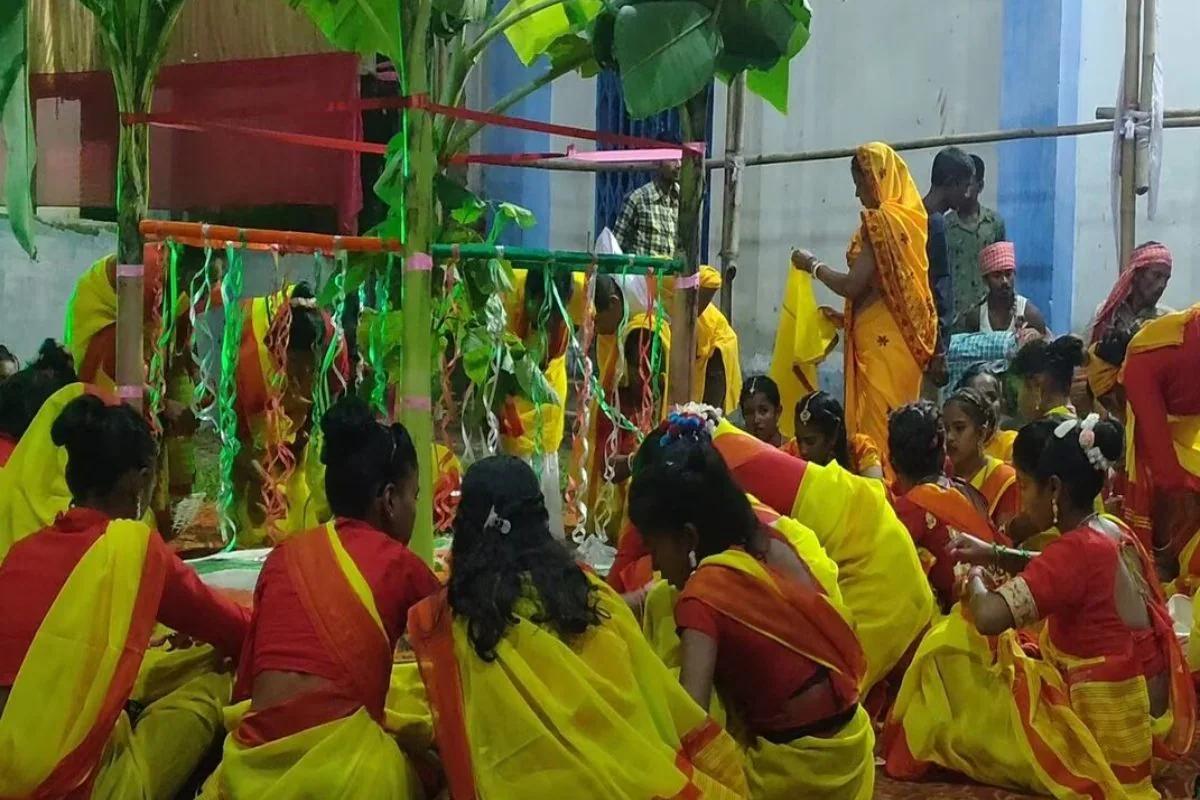
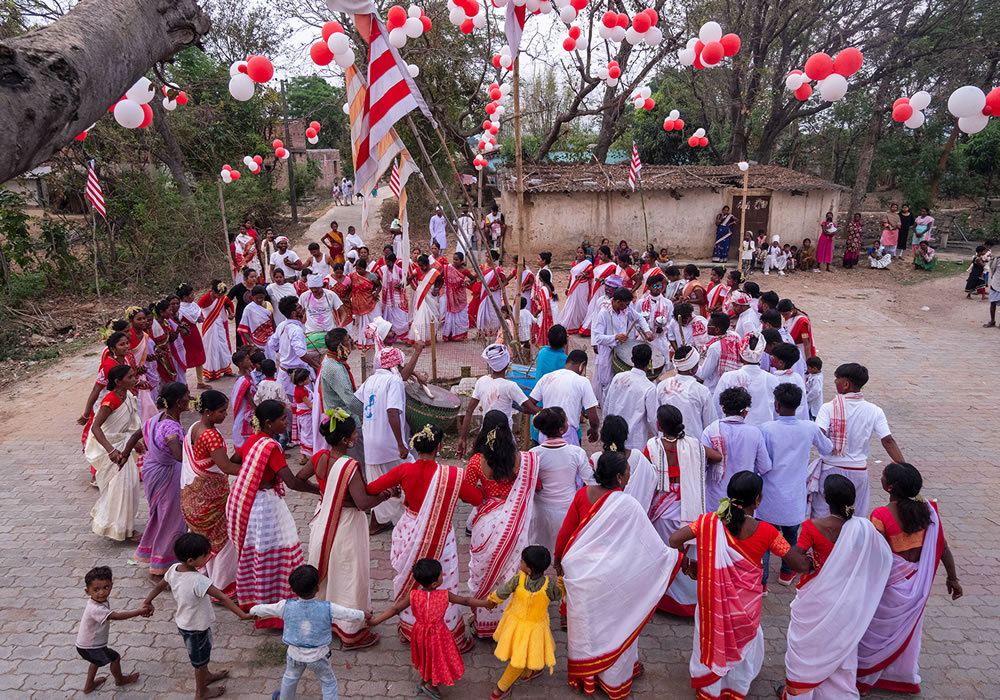
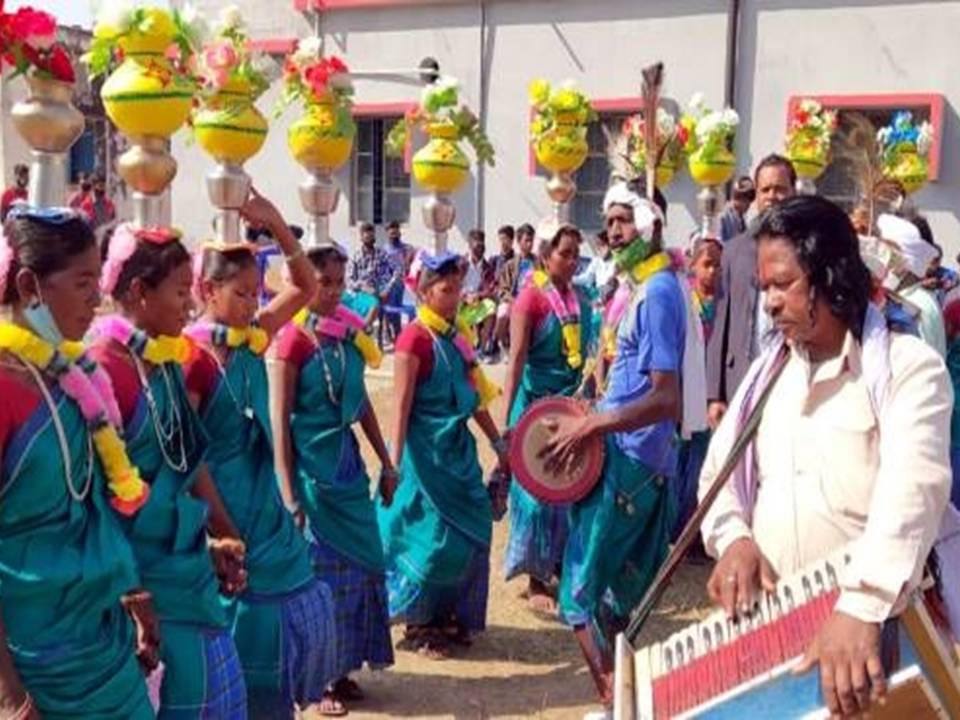
Sohrai is often referred to as the Harvest Festival of Jharkhand because it is celebrated after the harvest season. The festival reflects the close relationship between tribal communities and nature. During Sohrai, people worship cattle, decorate their homes with beautiful Sohrai paintings, prepare traditional foods, sing folk songs, and participate in cultural dances.
The festival is not only a religious and cultural event but also a symbol of tribal identity and heritage. Every year, thousands of people celebrate Sohrai with great enthusiasm, preserving traditions that have been passed down through generations.
Introduction About Sohrai Festival
Sohrai is celebrated mainly during the Hindu month of Kartik, usually one day after Diwali. The exact date may vary according to local customs and lunar calendars.
The festival marks the completion of agricultural activities and the arrival of a new harvest season. Since agriculture is the backbone of tribal life, the successful harvest of crops is considered a blessing from nature and divine powers.
The term “Sohrai” is believed to be derived from words associated with cattle and prosperity. Since livestock play a crucial role in farming, they are worshipped and honored during the festival.
Sohrai is a unique combination of:
- Harvest celebration
- Cattle worship
- Nature worship
- Community gathering
- Traditional art and culture
History of Sohrai Festival
The history of Sohrai dates back thousands of years and is closely linked to the agricultural traditions of tribal communities.
Historians and cultural researchers believe that Sohrai traditions originated during ancient agrarian civilizations when people depended entirely on farming and livestock for survival. Tribal communities developed rituals to express gratitude to nature for providing food, water, fertile land, and healthy cattle.
Over time, these rituals evolved into the Sohrai Festival, which became an integral part of tribal culture in Jharkhand.
Many scholars also connect Sohrai art with prehistoric cave paintings found in the region. Similar motifs and designs can be seen in ancient rock shelters, suggesting a long artistic tradition.
Today, Sohrai remains one of the most celebrated festivals in rural Jharkhand and serves as a living example of indigenous heritage.
Significance of Sohrai Festival
The significance of Sohrai extends beyond religion and agriculture.
1. Celebration of Harvest
The festival marks the successful completion of the harvest season. Farmers celebrate the fruits of their hard work and thank nature for providing food.
2. Worship of Cattle
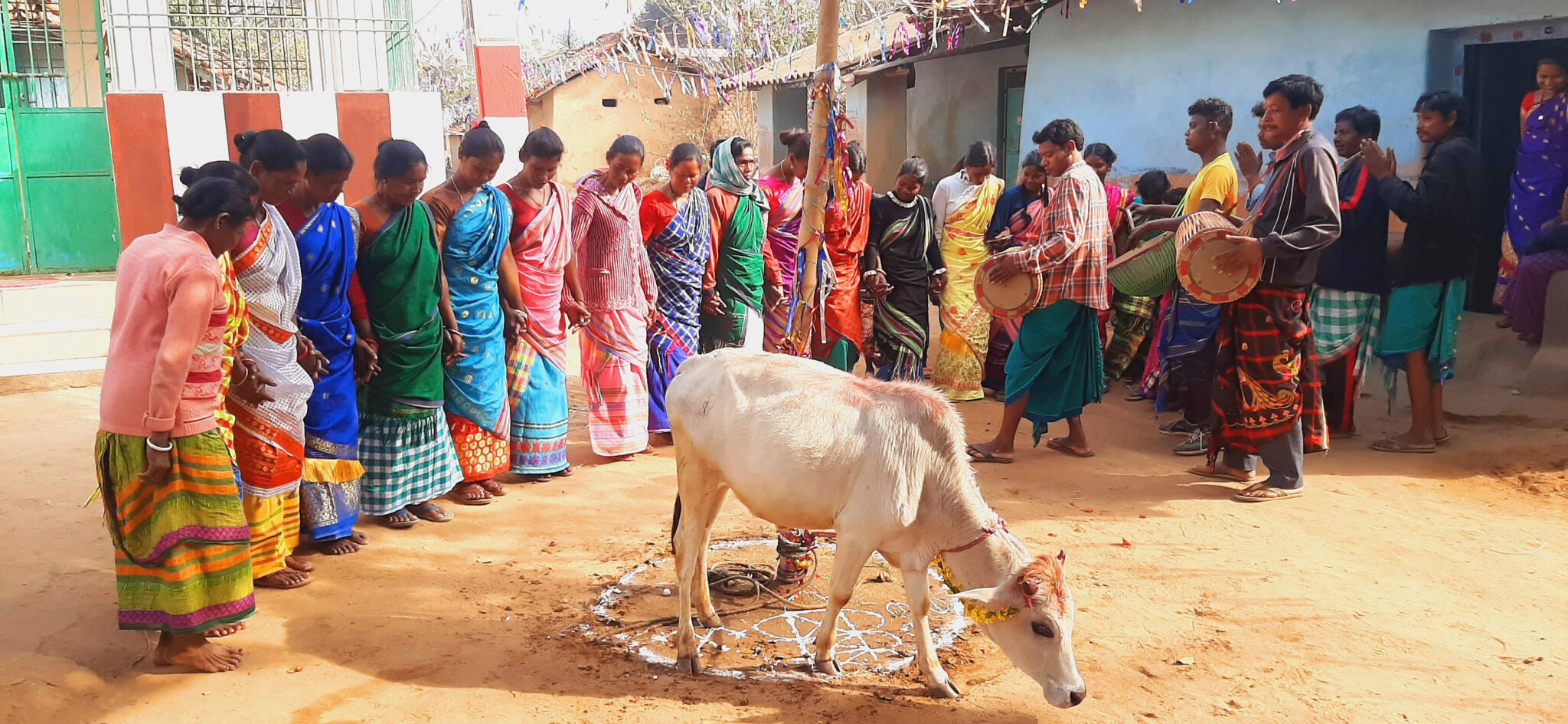
Cattle are considered essential partners in agriculture. During Sohrai, cows, bulls, and oxen are worshipped, decorated, and treated with respect.
3. Cultural Preservation
Sohrai helps preserve tribal customs, folk music, traditional dance forms, and indigenous art.
4. Community Unity
The festival brings entire villages together. Families visit relatives, share meals, and participate in communal celebrations.
5. Respect for Nature
Sohrai promotes environmental harmony by recognizing the importance of forests, rivers, animals, and natural resources.
Tribes That Celebrate Sohrai
Several tribal communities celebrate Sohrai in Jharkhand:
- Santhal Tribe
- Oraon Tribe
- Munda Tribe
- Ho Tribe
- Kharia Tribe
- Birhor Tribe
- Asur Tribe
Each community may have slight variations in rituals and customs, but the core spirit of the festival remains the same.
Sohrai Festival and Agriculture
Agriculture plays a central role in Sohrai celebrations.
For tribal communities, farming is not merely an economic activity but a way of life. The success of crops depends on rainfall, fertile soil, and livestock.
During Sohrai:
- Farmers thank nature for a good harvest.
- Agricultural tools are cleaned and worshipped.
- New grains are offered to deities.
- Community feasts are organized.
The festival represents hope, prosperity, and abundance.
Cattle Worship During Sohrai
One of the most unique aspects of Sohrai is cattle worship.
Animals such as cows and bulls are extremely important for farming activities. They help plow fields and transport agricultural products.
During Sohrai:
- Cattle are bathed.
- Horns are decorated with colors.
- Garlands are placed around their necks.
- Special food is offered.
- Ritual prayers are conducted.
This practice symbolizes gratitude and respect toward animals.
Sohrai Painting: The Famous Tribal Art
What is Sohrai Painting?
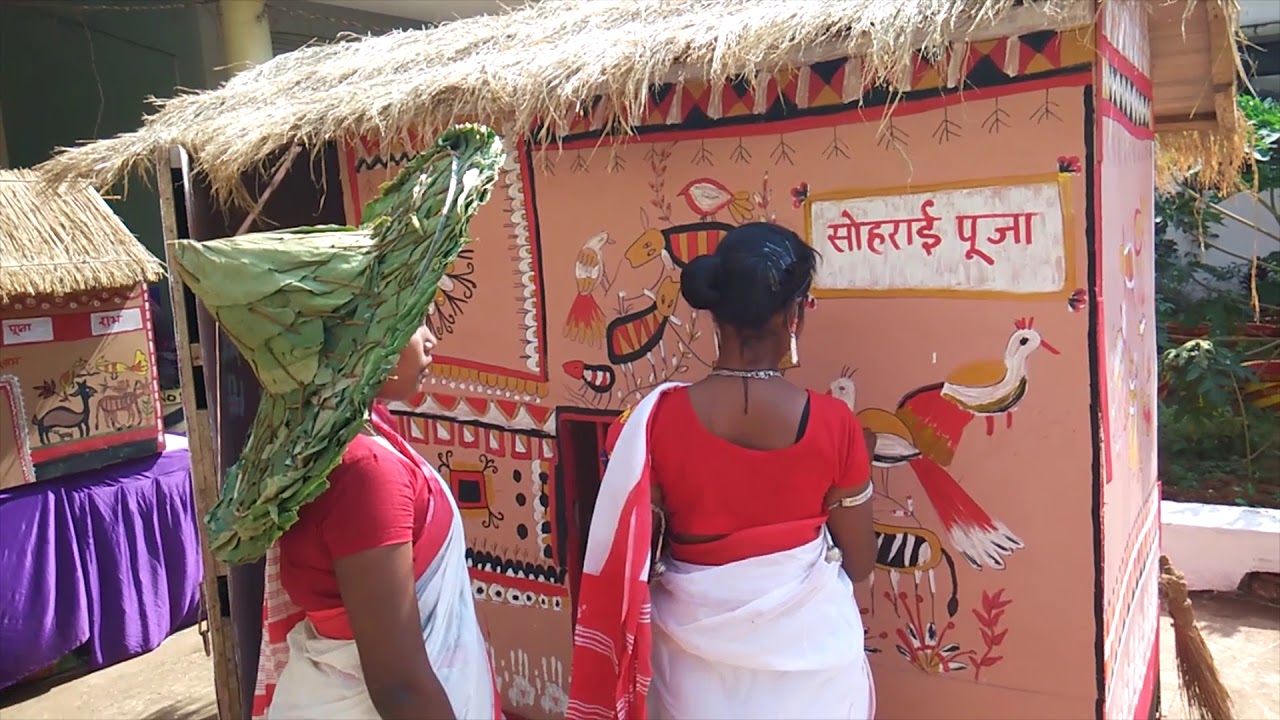
Sohrai Painting is a traditional tribal mural art form associated with the Sohrai Festival.
Women create beautiful paintings on mud walls using natural colors obtained from:
- Red ochre
- White clay
- Black manganese
- Yellow earth
- Charcoal
The paintings feature:
- Animals
- Birds
- Flowers
- Trees
- Geometric patterns
- Agricultural symbols
Importance of Sohrai Art
Sohrai paintings represent:
- Fertility
- Prosperity
- Harmony with nature
- Tribal identity
These artworks have gained international recognition and are now considered an important cultural heritage of India.
Preparation for Sohrai Festival
Preparations begin several days before the festival.
Cleaning Homes
Families clean and repair houses.
Decorating Walls
Women create colorful Sohrai paintings.
Collecting Materials
People gather:
- Flowers
- Clay
- Natural colors
- Food ingredients
Preparing Traditional Foods
Various tribal dishes are prepared for family gatherings and guests.
Rituals of Sohrai Festival
The rituals vary across regions but generally include:
Worship of Village Deities
Prayers are offered to local deities for prosperity and protection.
Cattle Decoration
Livestock are washed and decorated.
Community Gatherings
Villagers come together for celebrations.
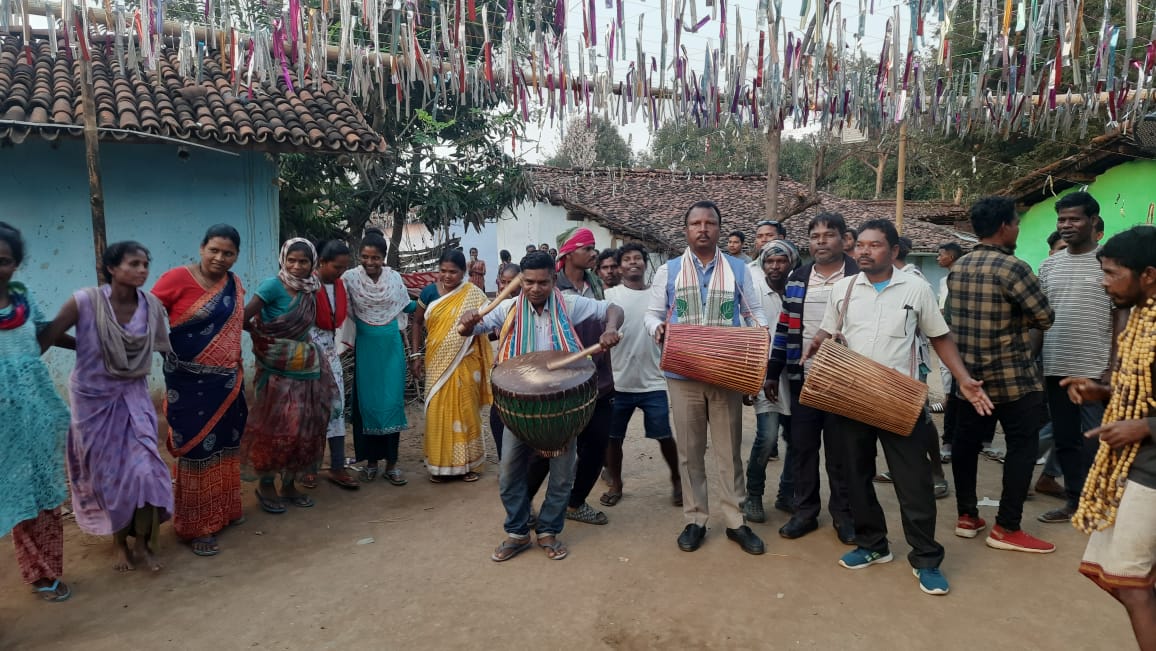
Traditional Music
Folk instruments are played throughout the festival.
Dance Performances
People perform traditional tribal dances.
Traditional Music of Sohrai
Music forms an important part of Sohrai celebrations.
Popular instruments include:
- Mandar
- Dhol
- Nagara
- Flute
- Kartal
Songs often focus on:
- Nature
- Farming
- Harvest
- Love
- Tribal legends
The rhythmic beats create a festive atmosphere throughout villages.
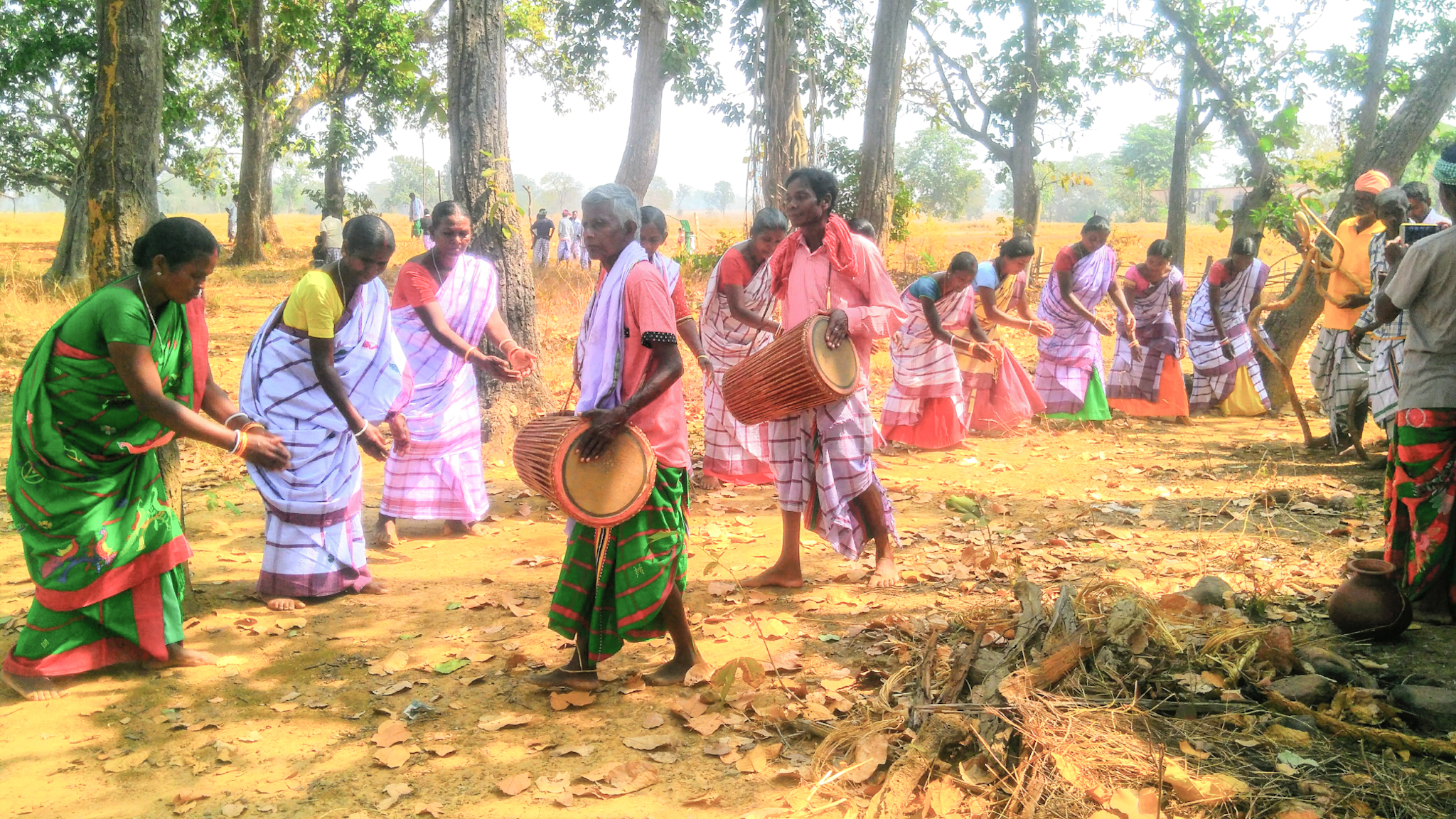
Traditional Dances During Sohrai
Tribal dances are a major attraction.
Popular dance forms include:
Santhali Dance
Performed by men and women in colorful attire.
Jhumar Dance
Known for graceful movements and group participation.
Paika Dance
A martial dance performed in some regions.
Munda Traditional Dance
Performed during cultural gatherings and community events.
Traditional Foods of Sohrai Festival
Food plays a significant role during the festival.
Popular dishes include:
- Dhuska
- Pitha
- Arsa Roti
- Rice preparations
- Mahua-based sweets
- Handia (traditional rice beverage)
- Seasonal vegetables
Community feasts strengthen social bonds among villagers.
Role of Women in Sohrai Festival
Women are central to Sohrai celebrations.
Their responsibilities include:
- Creating Sohrai paintings
- Preparing festive foods
- Organizing rituals
- Preserving traditional songs
- Passing cultural knowledge to younger generations
The festival showcases the artistic talent and cultural leadership of tribal women.
Sohrai Festival and Tribal Identity
Sohrai serves as a symbol of tribal identity.
It reflects:
- Indigenous knowledge
- Traditional values
- Community solidarity
- Respect for nature
The festival helps younger generations understand their cultural roots.
Sohrai Festival in Different Regions
Although most famous in Jharkhand, Sohrai is also celebrated in:
1. Bihar
2. West Bengal
3. Odisha
4. Chhattisgarh
Regional customs may differ, but the essence of harvest celebration remains unchanged.
Tourism and Sohrai Festival
Sohrai has become an attraction for cultural tourism.
Tourists visit villages to experience:
- Tribal traditions
- Folk dances
- Traditional music
- Sohrai paintings
- Rural lifestyle
The festival offers a unique opportunity to understand the rich heritage of Jharkhand.
Economic Importance of Sohrai
The festival contributes to local economies by:
- Promoting handicrafts
- Supporting folk artists
- Encouraging tourism
- Creating market opportunities for tribal products
Sohrai paintings are increasingly sold as decorative artworks, generating income for artisans.
Government Efforts to Promote Sohrai
The government and cultural organizations are working to preserve Sohrai traditions through:
- Art workshops
- Cultural festivals
- Tourism campaigns
- Documentation projects
- Training programs for artists
These initiatives help ensure the survival of this valuable heritage.
Challenges Facing Sohrai Tradition
Despite its importance, Sohrai faces several challenges:
- Urbanization
- Migration
- Declining interest among youth
- Loss of traditional knowledge
- Modern construction replacing mud walls
Efforts are needed to protect and promote the festival for future generations.
Why Sohrai Festival is Unique
Several factors make Sohrai unique:
- Strong connection with agriculture.
- Worship of cattle.
- Beautiful wall paintings.
- Rich tribal traditions.
- Community participation.
- Environmental awareness.
- Ancient cultural heritage.
Few festivals combine art, agriculture, nature, and spirituality as effectively as Sohrai.
Cultural Lessons from Sohrai
The festival teaches important values:
- Gratitude toward nature.
- Respect for animals.
- Community cooperation.
- Preservation of heritage.
- Sustainable living.
These lessons remain relevant even in modern society.
FAQs About Sohrai Festival
1. What is the Sohrai Festival?
Sohrai is a traditional harvest festival celebrated mainly by the tribal communities of Jharkhand. It marks the end of the harvesting season and is dedicated to cattle worship, prosperity, and gratitude toward nature.
2. Why is Sohrai Festival celebrated?
Sohrai is celebrated to thank nature, agricultural deities, and cattle for helping farmers achieve a successful harvest. It is also a time for community gatherings and cultural celebrations.
3. When is Sohrai Festival celebrated?
Sohrai is usually celebrated during the month of Kartik (October–November), generally a day after Diwali. The exact dates may vary among different tribal communities.
4. Which tribes celebrate Sohrai Festival?
The festival is mainly celebrated by the Santhal, Munda, Oraon, Ho, Kharia, and other tribal communities of Jharkhand and neighboring states.
5. What is the significance of cattle worship during Sohrai?
Cattle are considered essential for farming activities. During Sohrai, cows, bulls, and oxen are honored, decorated, and worshipped as symbols of wealth, prosperity, and agricultural success.
6. What is Sohrai Painting?
Sohrai Painting is a traditional tribal wall art created by women using natural colors made from clay, charcoal, and earth pigments. The paintings often depict animals, birds, plants, and geometric designs.
7. Who creates Sohrai paintings?
Traditionally, women from tribal communities create Sohrai paintings on the walls of their homes before the festival begins.
8. What are the main rituals of Sohrai Festival?
The main rituals include house cleaning, wall decoration, cattle bathing and worship, offering prayers to village deities, community feasts, folk music, and traditional dances.
9. What foods are prepared during Sohrai?
Traditional dishes such as Dhuska, Pitha, Arsa Roti, rice-based foods, seasonal vegetables, and tribal delicacies are commonly prepared during the festival.
10. How long does Sohrai Festival last?
Depending on local traditions, Sohrai celebrations can last from one day to several days, with different rituals performed on each day.
11. What role do women play in Sohrai Festival?
Women play a vital role by creating Sohrai paintings, preparing festive meals, participating in rituals, and preserving traditional songs and cultural practices.
12. What traditional dances are performed during Sohrai?
Popular dances include Santhali Dance, Jhumar Dance, Paika Dance, and various community folk dances performed to the beats of traditional instruments.
13. Which musical instruments are used during Sohrai celebrations?
Traditional instruments such as Mandar, Dhol, Nagara, Flute, and Kartal are commonly played during the festival.
14. Is Sohrai Festival only celebrated in Jharkhand?
No. Besides Jharkhand, Sohrai is also celebrated in parts of Bihar, West Bengal, Odisha, and Chhattisgarh where tribal communities reside.
15. What is the cultural importance of Sohrai Festival?
Sohrai helps preserve tribal traditions, folk art, indigenous knowledge, and community values while strengthening cultural identity among tribal communities.
16. How is Sohrai different from other harvest festivals?
Unlike many harvest festivals, Sohrai places special emphasis on cattle worship and features the unique Sohrai wall painting tradition, making it a distinctive cultural celebration.
17. Can tourists attend Sohrai celebrations?
Yes, tourists can visit tribal villages and cultural events during Sohrai to experience traditional dances, music, art, and local customs.
18. What themes are commonly found in Sohrai paintings?
Common themes include cows, bulls, elephants, peacocks, deer, flowers, trees, agricultural symbols, and patterns inspired by nature.
19. How does Sohrai Festival promote environmental awareness?
The festival emphasizes respect for nature, animals, forests, water resources, and sustainable living practices that have been followed by tribal communities for generations.
20. Why is Sohrai Festival important for future generations?
Sohrai preserves tribal heritage, traditional knowledge, artistic skills, and cultural values, ensuring that future generations remain connected to their roots and identity.
Conclusion
Sohrai Festival is one of the most treasured cultural celebrations of Jharkhand. It is much more than a harvest festival—it is a vibrant expression of tribal life, artistic creativity, environmental consciousness, and community unity. Through cattle worship, traditional music, folk dances, and the world-famous Sohrai paintings, the festival preserves centuries-old traditions and strengthens cultural identity.
As modernization continues to transform rural landscapes, preserving Sohrai becomes increasingly important. The festival stands as a living reminder of humanity’s deep connection with nature, agriculture, and collective well-being. For anyone interested in tribal culture, heritage tourism, or indigenous art, Sohrai offers a fascinating glimpse into the rich cultural traditions of Jharkhand.
About Us – JharTravel
Welcome to JharTravel — your trusted travel companion for discovering the hidden beauty, culture, history, and tourism of Jharkhand and across India.
My name is Md Mokarram, and I am proudly from Jharkhand. I created JharTravel with a simple mission: to help travelers explore the real beauty of Jharkhand, Bihar, and other amazing destinations through authentic travel guides, hotel information, food blogs, pilgrimage details, and local experiences.
At JharTravel, we believe that every destination has a unique story. From waterfalls, hills, temples, and forests to street food, local culture, and budget travel tips — we provide informative and easy-to-understand travel content for every type of traveler.
Our website covers:
- Travel guides for famous and hidden destinations
- Tourist places in Jharkhand, Bihar, and India
- Hotels, lodges, and homestay recommendations
- Religious and pilgrimage travel guides
- Street food and local cuisine blogs
- Travel tips, itineraries, and budget guides
- SEO-friendly and regularly updated travel articles
Whether you are planning a family trip, solo adventure, spiritual journey, or weekend getaway, JharTravel helps you make your journey easier and more memorable.
As a traveler and blogger from Jharkhand, I personally enjoy exploring new places and sharing genuine travel experiences with readers. Every article on JharTravel is written with passion, research, and the goal of helping travelers discover the beauty of India.
Thank you for visiting JharTravel and being part of this travel journey.
Contact Information
- Founder: Md Mokarram
- Website: https://jhartravel.com/
- Location: Jharkhand
“Final Two Words”
Thank you for visiting JharTravel, a travel platform created with passion and dedication by Md Mokarram from Jharkhand. Our goal is to provide helpful, accurate, and easy-to-read travel information for travelers who want to explore the beauty of Jharkhand. From hidden tourist spots and religious places to hotels, food, and travel tips, we aim to make every journey memorable and budget-friendly. We truly appreciate your support and trust in our content. Keep exploring new destinations with JharTravel and make every trip an unforgettable experience filled with adventure, culture, and beautiful memories.
- 1 Discover the Sohrai Festival of Jharkhand, its history, cultural significance, rituals, Sohrai painting, celebration methods, traditions, and tourism importance in this comprehensive guide.
- 2 1. Celebration of Harvest
- 3 2. Worship of Cattle
- 4 3. Cultural Preservation
- 5 4. Community Unity
- 6 5. Respect for Nature
- 7 What is Sohrai Painting?
- 8 Importance of Sohrai Art
- 9 Cleaning Homes
- 10 Decorating Walls
- 11 Collecting Materials
- 12 Preparing Traditional Foods
- 13 Worship of Village Deities
- 14 Cattle Decoration
- 15 Community Gatherings
- 16 Traditional Music
- 17 Dance Performances
- 18 Santhali Dance
- 19 Jhumar Dance
- 20 Paika Dance
- 21 Munda Traditional Dance
- 22 FAQs About Sohrai Festival
- 23 About Us – JharTravel
- 24 “Final Two Words”