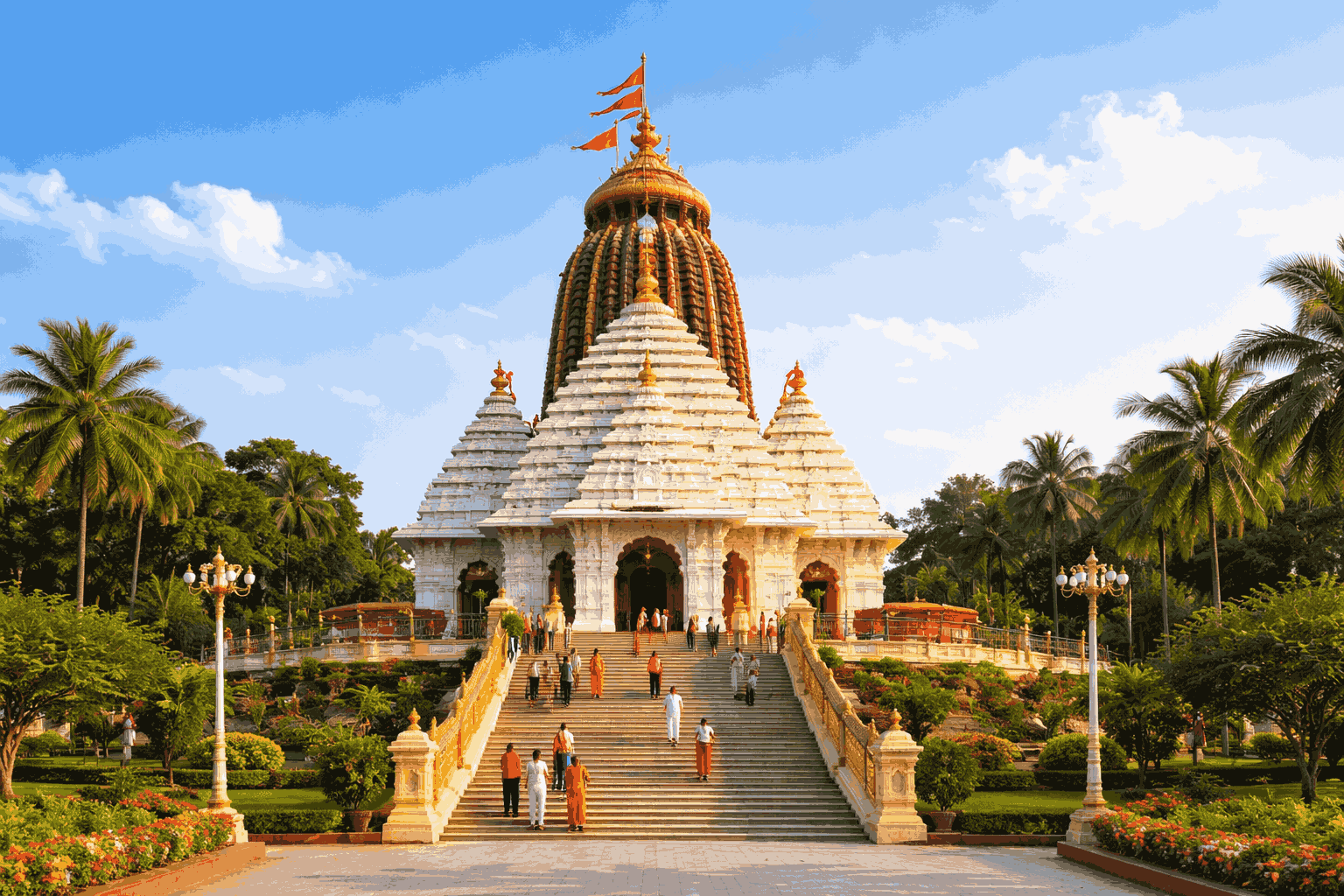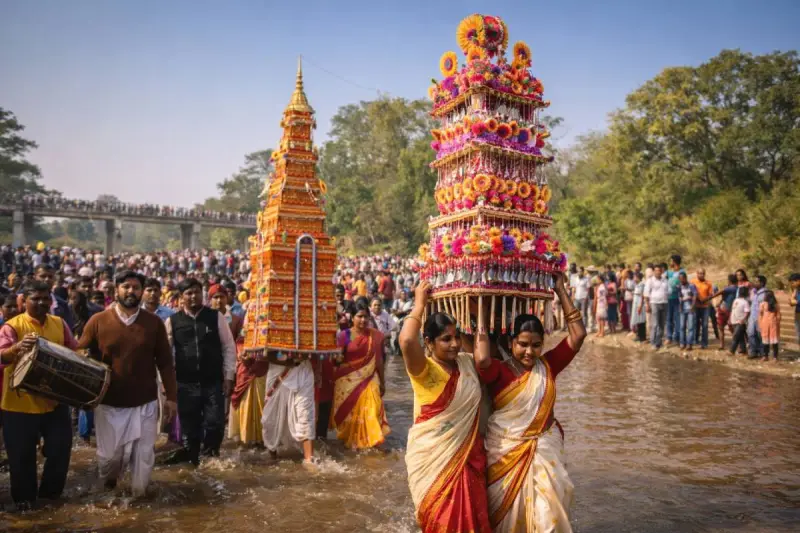
Discover the Baha Festival of Jharkhand, the famous spring flower festival celebrated by the Santhal tribe. Learn about its history, rituals, cultural importance, traditions, dances, songs, and tourism value.
Baha Festival: The Festival of Flowers and Nature Worship
The Baha Festival is one of the most important and colorful tribal festivals celebrated in Jharkhand. It is primarily observed by the Santhal community, one of the largest tribal groups in eastern India. Known as the Festival of Flowers, Baha marks the arrival of spring and symbolizes the harmonious relationship between humans and nature.
Jharkhand is famous for its rich tribal heritage, traditional customs, forests, hills, and vibrant festivals. Among all tribal celebrations, Baha Festival holds a special place because it reflects the deep respect that tribal communities have for forests, trees, flowers, and the environment.
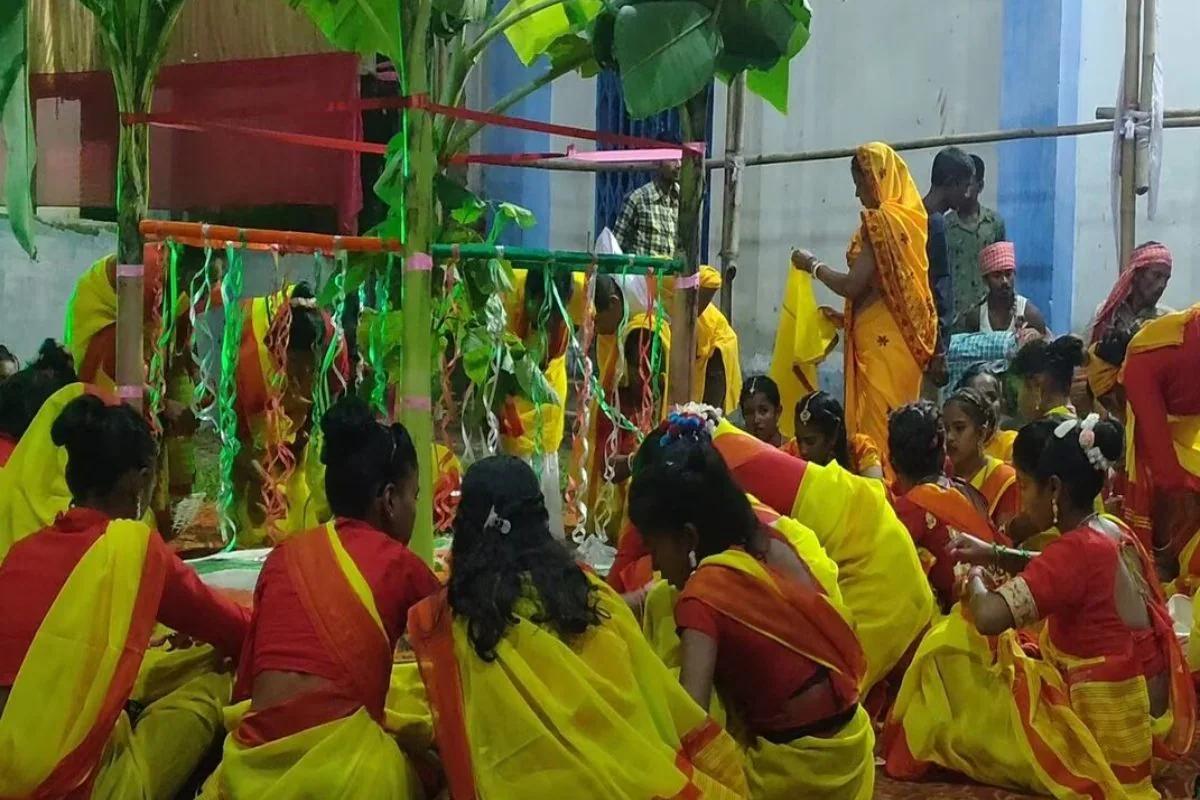
The festival is celebrated with traditional rituals, prayers, folk songs, dances, and community feasts. During Baha, people decorate themselves with fresh flowers and offer prayers to nature deities for prosperity, happiness, and a good harvest season.
In this article, we will explore the history, significance, rituals, traditions, cultural importance, and tourism value of the Baha Festival in detail.
Introduction About Baha Festival
The word “Baha” means flower in the Santhali language. Therefore, Baha Festival is often called the Flower Festival. It is celebrated when trees begin to bloom and forests become colorful with fresh flowers.
For the Santhal community, flowers are considered sacred gifts of nature. They symbolize purity, prosperity, beauty, and renewal of life. The festival is usually celebrated during the spring season, mainly in the months of February and March.
The celebration marks:
- Arrival of spring
- Blooming of flowers
- Renewal of nature
- Community unity
- Respect for natural resources
- Gratitude toward deities
The festival strengthens social bonds and helps preserve tribal traditions passed down through generations.
History of Baha Festival
The history of Baha Festival dates back hundreds of years and is deeply connected to the traditions of the Santhal tribe.
The Santhals have always depended on forests, agriculture, and natural resources for survival. Since ancient times, they have worshipped nature and believed that divine powers reside in forests, mountains, rivers, and trees.
According to tribal beliefs, nature provides everything necessary for life:
- Food
- Water
- Shelter
- Medicines
- Livelihood
As a result, the Santhal community developed festivals that express gratitude to nature. Baha Festival emerged as a celebration of flowering trees and the renewal of life after winter.
The festival continues to be celebrated today with the same devotion and enthusiasm as in ancient times.
Importance of Baha Festival
Baha Festival holds immense religious, social, cultural, and environmental significance.
Religious Importance
The festival is dedicated to nature worship. Tribal priests conduct rituals to honor village deities and spirits believed to protect the community.
People pray for:
- Good health
- Prosperity
- Agricultural success
- Protection from diseases
- Family happiness
Cultural Importance
Baha Festival helps preserve traditional tribal culture through:
- Folk dances
- Traditional music
- Tribal songs
- Cultural performances
- Traditional dress
Young generations learn about their heritage through participation in the festival.
Social Importance
The festival brings people together regardless of age or economic status.
Community members:
- Participate in rituals
- Share meals
- Perform dances
- Exchange greetings
This strengthens social unity and cooperation.
Environmental Importance
One of the most remarkable aspects of Baha Festival is its environmental message.
The celebration teaches people:
- To protect forests
- To conserve biodiversity
- To respect natural resources
- To maintain ecological balance
This traditional environmental awareness remains highly relevant today.
When is Baha Festival Celebrated?
Baha Festival is generally celebrated during the spring season.
The exact date depends on:
- Traditional tribal calendars
- Local customs
- Flowering season
- Community decisions
Most villages celebrate the festival between:
- February
- March
The blooming of Sal flowers often plays an important role in determining the timing of the celebration.
Deities Worshipped During Baha Festival
Several tribal deities are worshipped during the festival.
These include:
- Marang Buru
- Jaher Era
- Village guardian spirits
- Ancestor spirits
The Santhal community believes these divine powers protect the village and ensure prosperity.
Special prayers are offered for blessings and protection.
Preparations for Baha Festival
Preparations begin several days before the festival.
Cleaning of Houses
Families thoroughly clean their homes and surroundings.
This symbolizes:
- Purity
- Renewal
- Fresh beginnings
Village Cleaning
Community members clean:
- Roads
- Sacred groves
- Worship areas
- Public spaces
This collective effort promotes community cooperation.
Collection of Flowers
Fresh flowers are collected from forests and fields.
Popular flowers include:
- Sal flowers
- Mahua flowers
- Wild blossoms
These flowers are used during rituals and decorations.
Preparation of Traditional Food
Special tribal dishes are prepared for the festival.
Traditional foods include:
- Rice dishes
- Tribal sweets
- Local beverages
- Forest-based foods
Community feasts are an important part of the celebration.
Rituals of Baha Festival
The rituals of Baha Festival are sacred and follow traditional customs.
Visit to Sacred Grove
One of the most important rituals involves visiting the sacred grove known as Jaher Than.
This place is considered holy and serves as the center of village worship.
Offerings to Deities
The tribal priest offers:
- Flowers
- Rice
- Water
- Traditional offerings
Prayers are conducted for community welfare.
Flower Blessing Ceremony
Flowers collected from forests are blessed during rituals.
These flowers symbolize:
- Life
- Prosperity
- Nature’s blessings
After the ceremony, flowers are distributed among villagers.
Community Worship
The entire village participates in collective worship.
Men, women, and children gather together to seek blessings from nature deities.
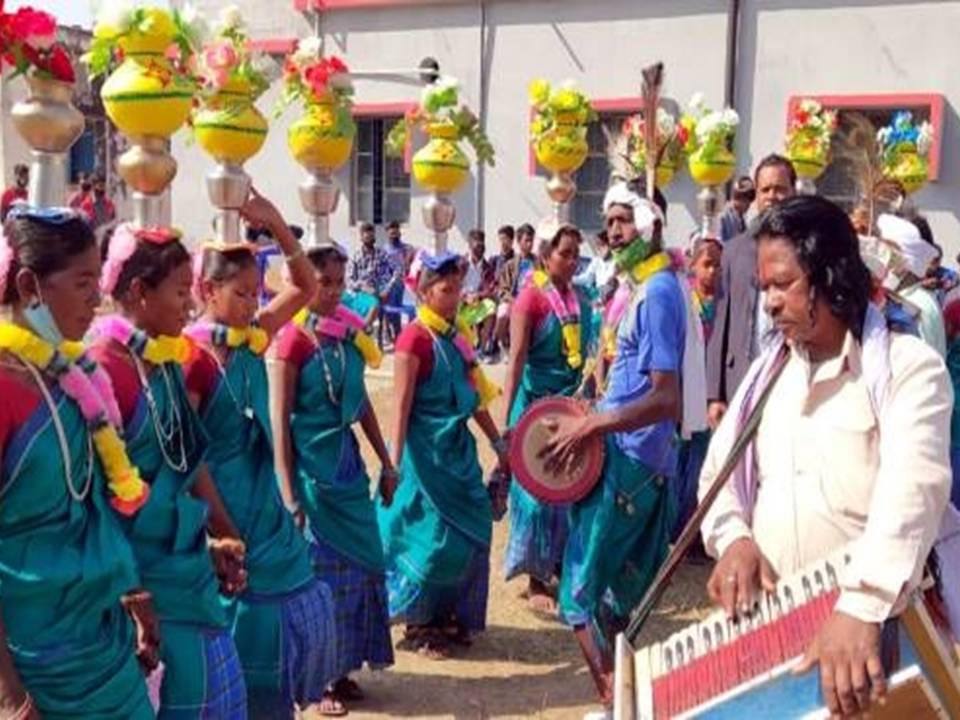
Traditional Dress During Baha Festival
Traditional attire is an important part of the festival.
Men’s Dress
Men often wear:
- Traditional dhoti
- Turban
- Tribal ornaments
Women’s Dress
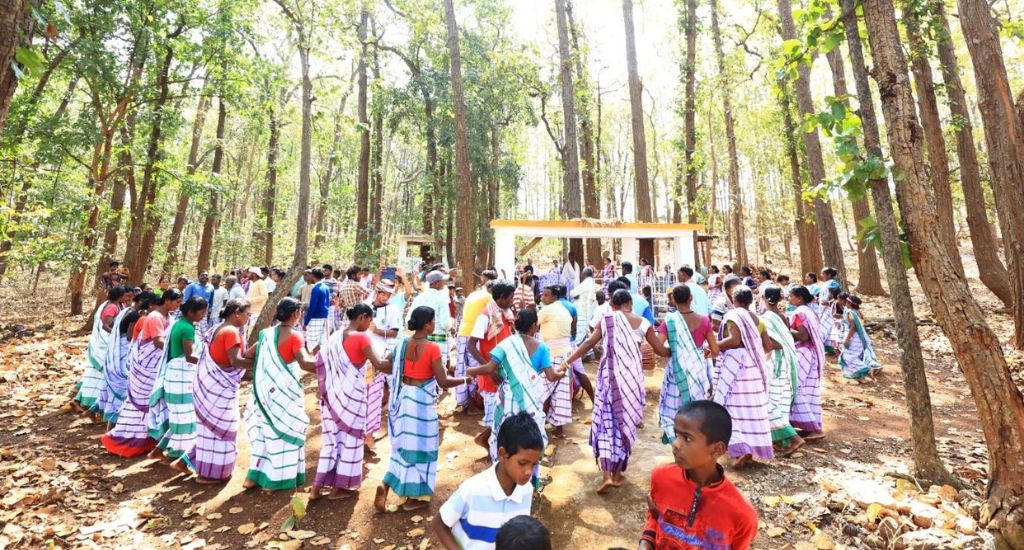
Women wear colorful traditional sarees decorated with floral designs.
Accessories include:
- Necklaces
- Bangles
- Earrings
- Flower ornaments
Fresh flowers are commonly worn in the hair.
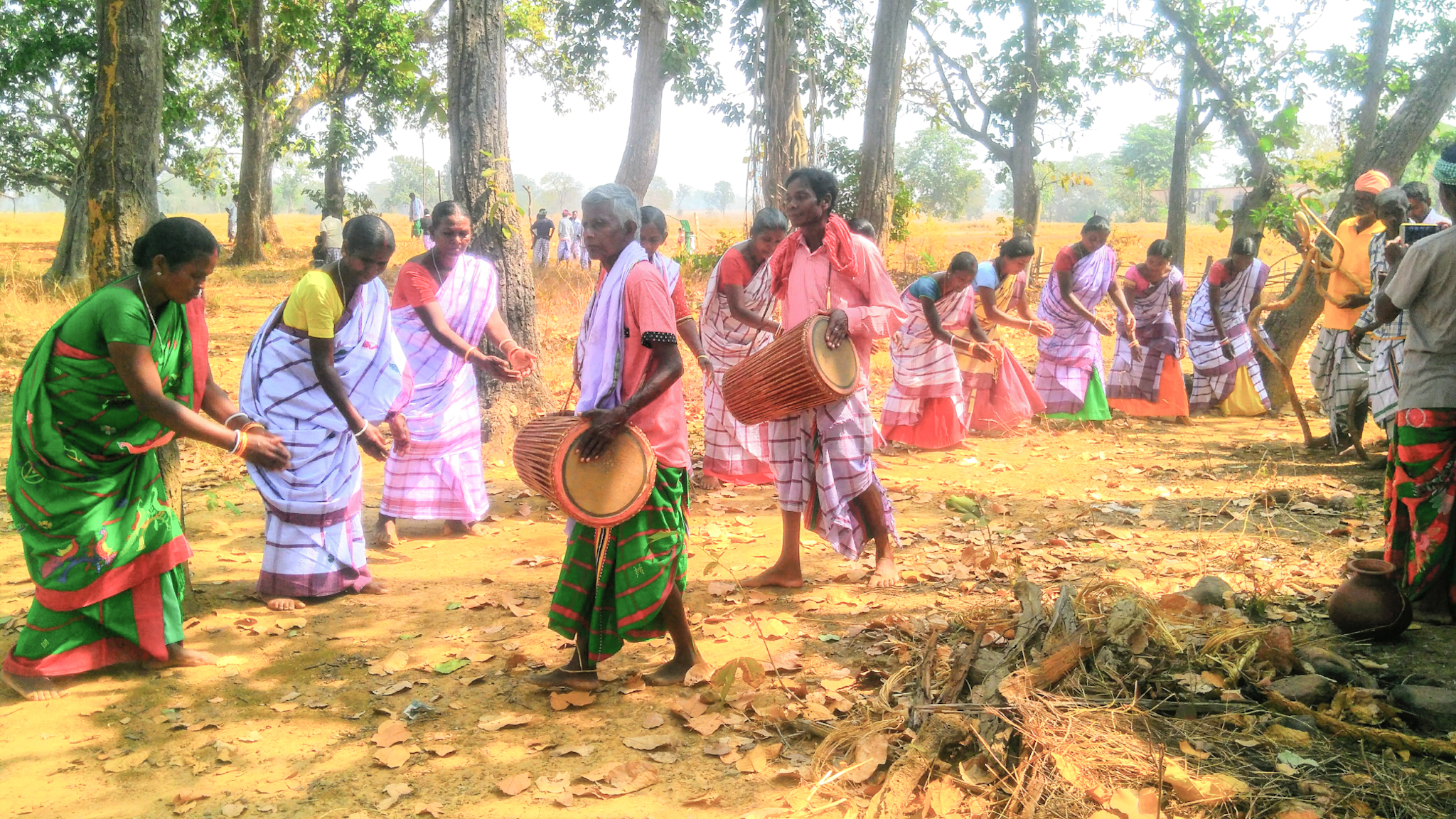
Baha Festival Dance
Dance is one of the most exciting aspects of the celebration.
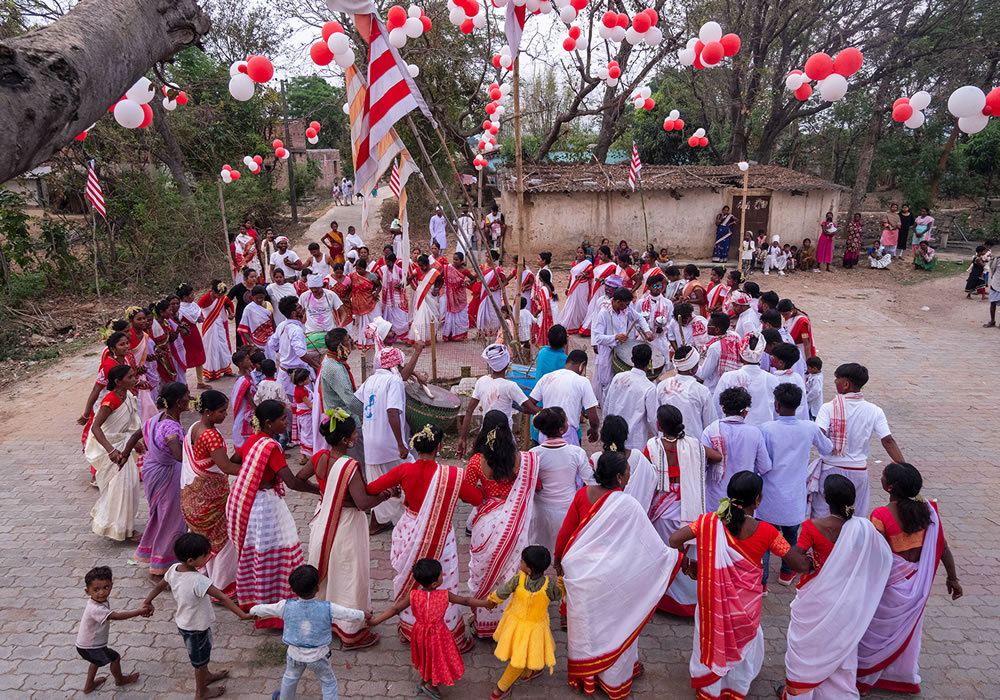
Traditional Santhal dances are performed in groups.
Characteristics include:
- Rhythmic movements
- Circular formations
- Coordinated steps
- Traditional costumes
The dances often continue late into the night.
Music in Baha Festival
Music plays a central role in tribal celebrations.
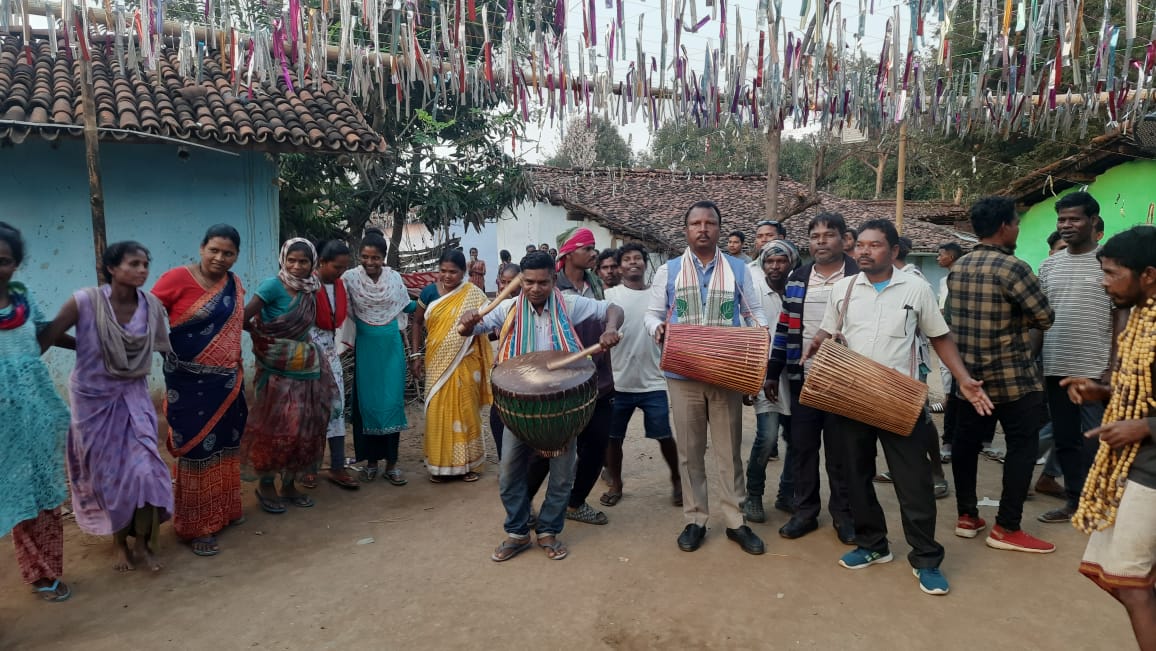
Traditional instruments include:
- Madal
- Dhamsa
- Tumdak
- Flutes
Musicians create energetic rhythms that accompany dances and songs.
The music reflects tribal history, culture, and connection with nature.
Folk Songs of Baha Festival
Folk songs are an important cultural treasure.
Themes include:
- Nature
- Flowers
- Love
- Agriculture
- Community life
- Spiritual beliefs
These songs have been preserved through oral tradition for generations.
Role of Women in Baha Festival
Women play a vital role in the celebration.
Their responsibilities include:
- Preparing traditional food
- Decorating homes
- Participating in rituals
- Singing folk songs
- Performing dances
Women are considered guardians of many cultural traditions.
Role of Youth in Baha Festival
The younger generation actively participates in:
- Cultural programs
- Dance performances
- Community activities
- Traditional music
This involvement helps preserve tribal heritage for future generations.
Community Feast During Baha Festival
Community feasts are organized after rituals.
People gather to share food and celebrate together.
Benefits of community feasts include:
- Strengthening social bonds
- Promoting equality
- Encouraging cooperation
- Preserving traditions
The feast represents unity and collective happiness.
Baha Festival and Agriculture
Agriculture is closely connected with the festival.
Farmers pray for:
- Good rainfall
- Fertile soil
- Healthy crops
- Successful harvests
Since many tribal families depend on agriculture, these prayers hold great importance.
Baha Festival and Nature Conservation
The festival promotes environmental awareness through traditional beliefs.
The Santhal community teaches respect for:
- Trees
- Forests
- Rivers
- Wildlife
- Plants
These practices contribute to sustainable living and conservation.
Baha Festival in Modern Times
Today, Baha Festival continues to be celebrated across many tribal regions of:
- Jharkhand
- West Bengal
- Odisha
- Bihar
- Assam
Modern celebrations often include:
- Cultural competitions
- Awareness programs
- Tribal exhibitions
- Educational events
Despite modernization, traditional rituals remain central to the festival.
Tourism Potential of Baha Festival
Baha Festival has significant tourism value.
Visitors can experience:
- Authentic tribal culture
- Traditional dances
- Folk music
- Nature worship
- Local cuisine
Cultural tourism associated with the festival helps generate income for local communities.
Why Baha Festival is Unique
Several features make Baha Festival unique:
Nature-Centered Celebration
Unlike many festivals focused on temples, Baha celebrates forests and flowers.
Preservation of Tribal Heritage
The festival keeps ancient traditions alive.
Environmental Message
It promotes ecological awareness and conservation.
Community Participation
Everyone in the village participates regardless of age.
Cultural Richness
Music, dance, rituals, and traditional attire create a vibrant cultural experience.
Challenges Facing Baha Festival
Despite its importance, several challenges exist:
- Urbanization
- Deforestation
- Migration
- Cultural changes
- Loss of traditional knowledge
Efforts are being made by communities and cultural organizations to preserve the festival.
How Baha Festival Helps Preserve Tribal Identity
The festival serves as a symbol of tribal identity by:
- Preserving language
- Maintaining customs
- Promoting traditional values
- Strengthening community bonds
It reminds younger generations of their cultural roots.
Future of Baha Festival
The future of Baha Festival depends on:
- Cultural preservation efforts
- Environmental conservation
- Community participation
- Educational awareness
With proper support, the festival can continue to inspire future generations.
Frequently Asked Questions (FAQ) About Baha Festival
1. What is the Baha Festival?
Baha Festival is a traditional tribal festival celebrated mainly by the Santhal community. It is known as the Festival of Flowers and marks the arrival of spring.
2. Why is Baha Festival celebrated?
The festival is celebrated to worship nature, welcome the flowering season, and seek blessings for prosperity, happiness, and a good harvest.
3. Which tribe celebrates Baha Festival?
Baha Festival is primarily celebrated by the Santhal tribe, one of the largest tribal communities in Jharkhand and eastern India.
4. In which states is Baha Festival celebrated?
The festival is mainly celebrated in Jharkhand, West Bengal, Odisha, Bihar, and Assam where Santhal communities reside.
5. What does the word “Baha” mean?
In the Santhali language, “Baha” means “flower,” which is why the festival is also called the Flower Festival.
6. When is Baha Festival celebrated?
Baha Festival is usually celebrated during February and March when spring arrives and flowers begin to bloom.
7. What is the religious significance of Baha Festival?
The festival symbolizes gratitude to nature and involves worship of tribal deities such as Marang Buru and Jaher Era for protection and prosperity.
8. What is Jaher Than?
Jaher Than is a sacred grove or worship place where Santhal communities perform important religious rituals during the Baha Festival.
9. What flowers are used during the Baha Festival?
Sal flowers, Mahua flowers, and various wild forest flowers are commonly used in the festival rituals and decorations.
10. What rituals are performed during Baha Festival?
The rituals include nature worship, offering flowers, community prayers, traditional ceremonies, and blessings from tribal priests.
11. What traditional foods are prepared during Baha Festival?
Families prepare rice-based dishes, tribal delicacies, local beverages, and traditional festive foods during the celebration.
12. What role do tribal priests play in the festival?
The village priest, known as Naeke, conducts the rituals, offers prayers, and seeks blessings from the tribal deities on behalf of the community.
13. How is Baha Festival connected to nature?
The festival celebrates the blooming of flowers, renewal of forests, and the close relationship between humans and the natural environment.
14. What traditional dances are performed during Baha Festival?
Santhal folk dances accompanied by drums such as Dhamsa and Madal are performed during the celebrations.
15. What musical instruments are used in Baha Festival?
Traditional instruments include Dhamsa, Madal, Tumdak, Tirio (flute), and Banam.
16. Why is Baha Festival important for tribal culture?
It helps preserve tribal traditions, language, folk songs, dances, and cultural identity for future generations.
17. What is the environmental significance of Baha Festival?
The festival promotes forest conservation, respect for biodiversity, and sustainable use of natural resources.
18. Can tourists attend Baha Festival celebrations?
Yes, tourists interested in tribal culture and heritage can witness Baha Festival celebrations in many tribal villages of Jharkhand.
19. How does Baha Festival strengthen community bonds?
The festival brings villagers together through collective worship, cultural performances, community feasts, and social gatherings.
20. What message does Baha Festival convey?
Baha Festival teaches harmony with nature, cultural preservation, community unity, and gratitude for the resources provided by the environment.
Conclusion
The Baha Festival is much more than a traditional celebration. It is a living expression of the deep connection between humans and nature. Celebrated primarily by the Santhal community of Jharkhand, the festival honors flowers, forests, and the renewal of life during spring.
Through rituals, folk songs, dances, community feasts, and nature worship, Baha Festival preserves tribal culture while promoting environmental awareness and social harmony. It serves as a reminder that human well-being is closely linked to the health of nature.
As modernization continues to transform society, preserving festivals like Baha becomes increasingly important. These celebrations not only protect cultural heritage but also offer valuable lessons about sustainability, respect for nature, and community unity.
About Us – JharTravel
Welcome to JharTravel — your trusted travel companion for discovering the hidden beauty, culture, history, and tourism of Jharkhand and across India.
My name is Md Mokarram, and I am proudly from Jharkhand. I created JharTravel with a simple mission: to help travelers explore the real beauty of Jharkhand, Bihar, and other amazing destinations through authentic travel guides, hotel information, food blogs, pilgrimage details, and local experiences.
At JharTravel, we believe that every destination has a unique story. From waterfalls, hills, temples, and forests to street food, local culture, and budget travel tips — we provide informative and easy-to-understand travel content for every type of traveler.
Our website covers:
- Travel guides for famous and hidden destinations
- Tourist places in Jharkhand, Bihar, and India
- Hotels, lodges, and homestay recommendations
- Religious and pilgrimage travel guides
- Street food and local cuisine blogs
- Travel tips, itineraries, and budget guides
- SEO-friendly and regularly updated travel articles
Whether you are planning a family trip, solo adventure, spiritual journey, or weekend getaway, JharTravel helps you make your journey easier and more memorable.
As a traveler and blogger from Jharkhand, I personally enjoy exploring new places and sharing genuine travel experiences with readers. Every article on JharTravel is written with passion, research, and the goal of helping travelers discover the beauty of India.
Thank you for visiting JharTravel and being part of this travel journey.
Contact Information
- Founder: Md Mokarram
- Website: https://jhartravel.com/
- Location: Jharkhand
“Final Two Words”
Thank you for visiting JharTravel, a travel platform created with passion and dedication by Md Mokarram from Jharkhand. Our goal is to provide helpful, accurate, and easy-to-read travel information for travelers who want to explore the beauty of Jharkhand. From hidden tourist spots and religious places to hotels, food, and travel tips, we aim to make every journey memorable and budget-friendly. We truly appreciate your support and trust in our content. Keep exploring new destinations with JharTravel and make every trip an unforgettable experience filled with adventure, culture, and beautiful memories.
- 1 Discover the Baha Festival of Jharkhand, the famous spring flower festival celebrated by the Santhal tribe. Learn about its history, rituals, cultural importance, traditions, dances, songs, and tourism value.
- 2 Religious Importance
- 3 Cultural Importance
- 4 Social Importance
- 5 Environmental Importance
- 6 Cleaning of Houses
- 7 Village Cleaning
- 8 Collection of Flowers
- 9 Preparation of Traditional Food
- 10 Visit to Sacred Grove
- 11 Offerings to Deities
- 12 Flower Blessing Ceremony
- 13 Community Worship
- 14 Men’s Dress
- 15 Women’s Dress
- 16 Nature-Centered Celebration
- 17 Preservation of Tribal Heritage
- 18 Environmental Message
- 19 Community Participation
- 20 Cultural Richness
- 21 Frequently Asked Questions (FAQ) About Baha Festival
- 22 About Us – JharTravel
- 23 “Final Two Words”