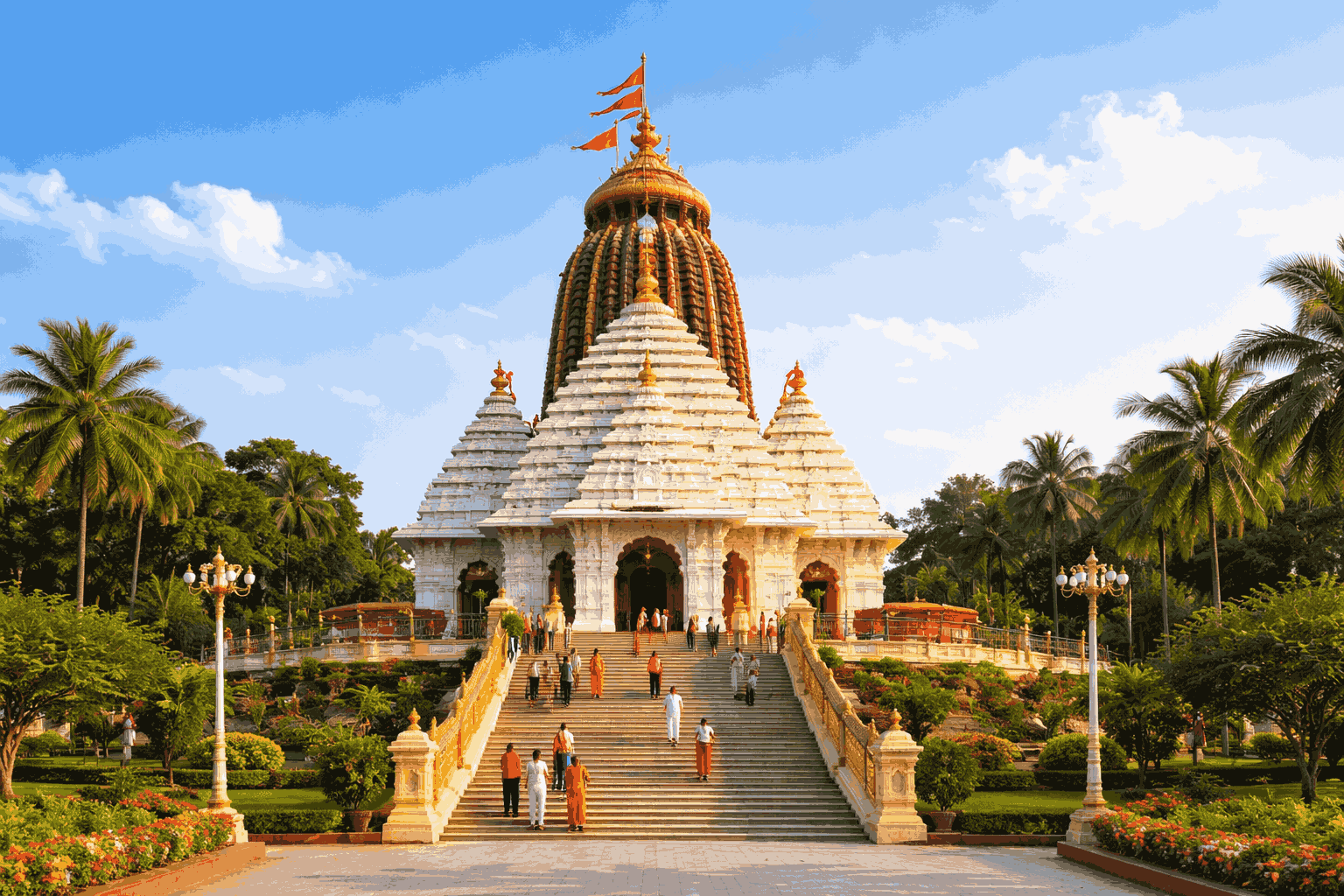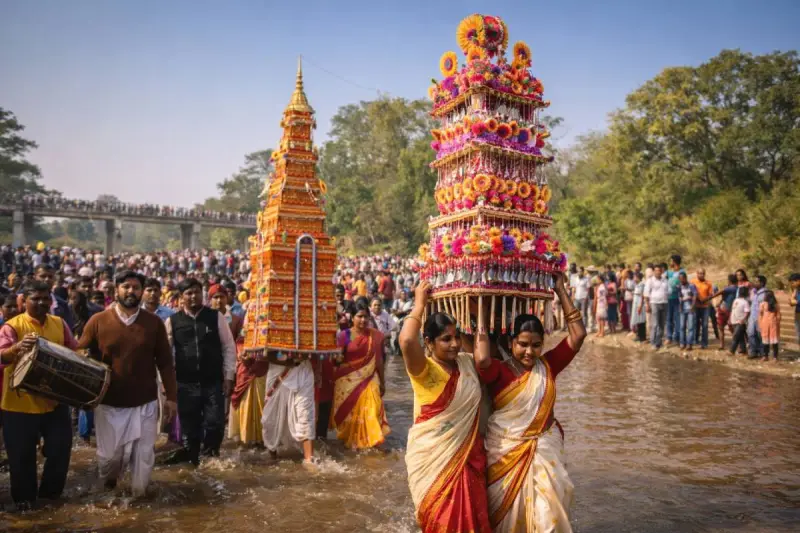
Discover everything about Mage Festival (Mage Parab), the famous tribal festival of Jharkhand. Learn its history, significance, rituals, cultural importance, celebrations, and tourism value.
Mage Festival (Mage Parab): The Heart of Tribal Culture in Jharkhand
Mage Festival, popularly known as Mage Parab or Maghe Porob, is one of the most significant tribal festivals celebrated in Jharkhand. It is primarily observed by the Ho tribe and is also celebrated by several other indigenous communities. The festival marks the beginning of a new agricultural cycle and symbolizes prosperity, unity, happiness, and gratitude toward nature. Mage Parab is deeply rooted in tribal traditions and reflects the rich cultural heritage of Jharkhand. It is considered one of the biggest social and religious festivals among the Ho people.
Introduction to Mage Festival
Jharkhand is known for its vibrant tribal culture, colorful traditions, folk music, and unique festivals. Among these celebrations, Mage Festival holds a special place because it represents the identity, history, and beliefs of tribal communities.
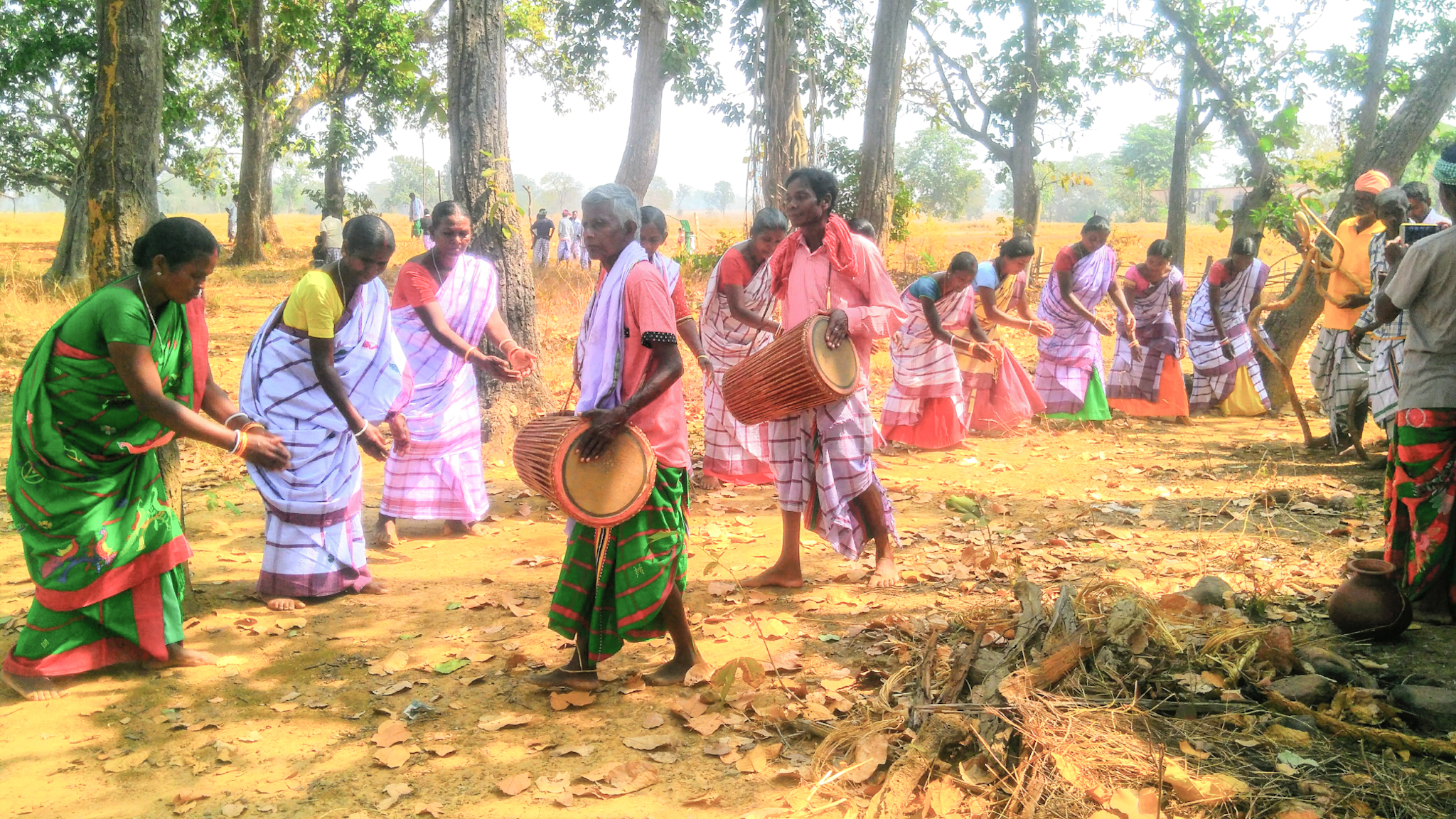
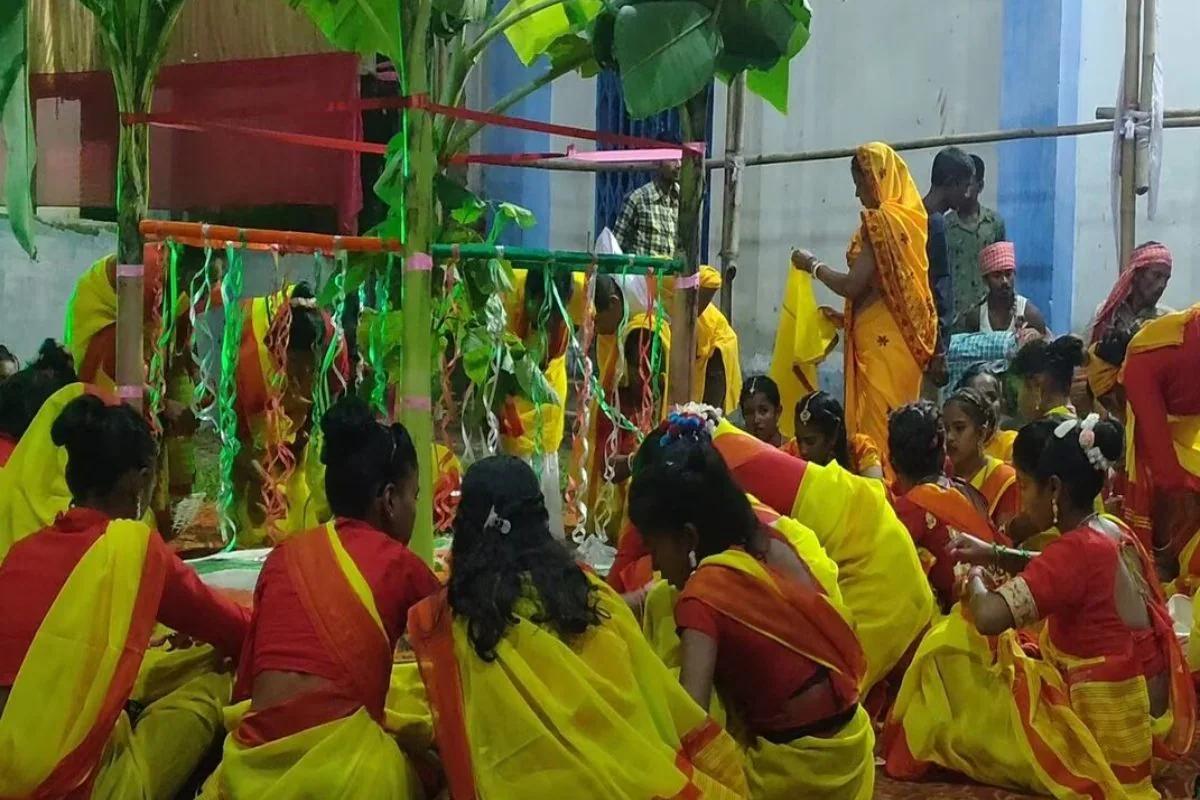
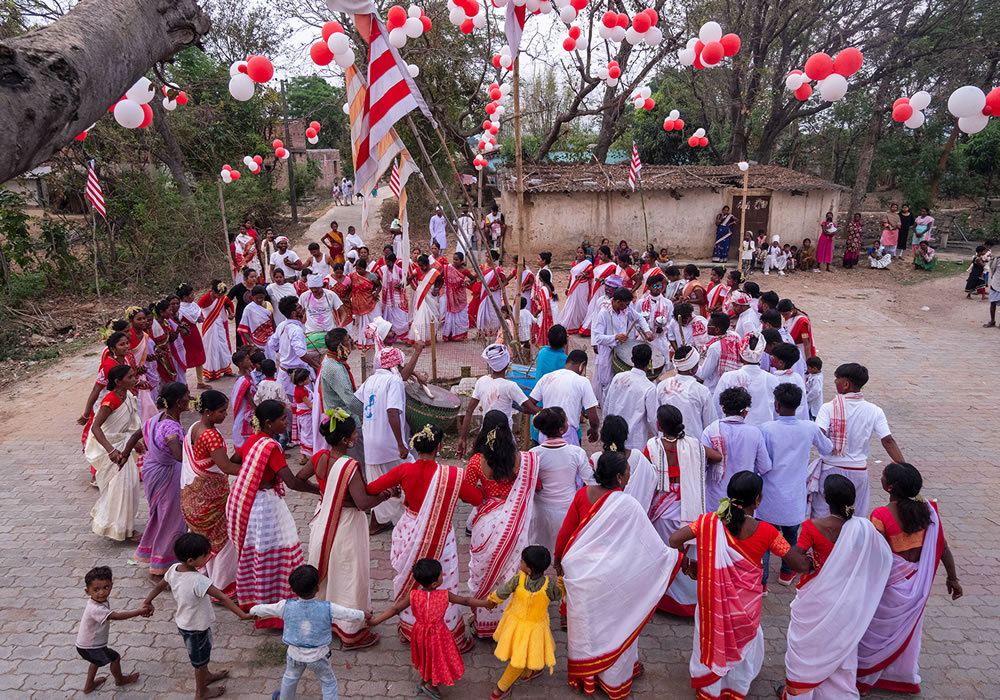
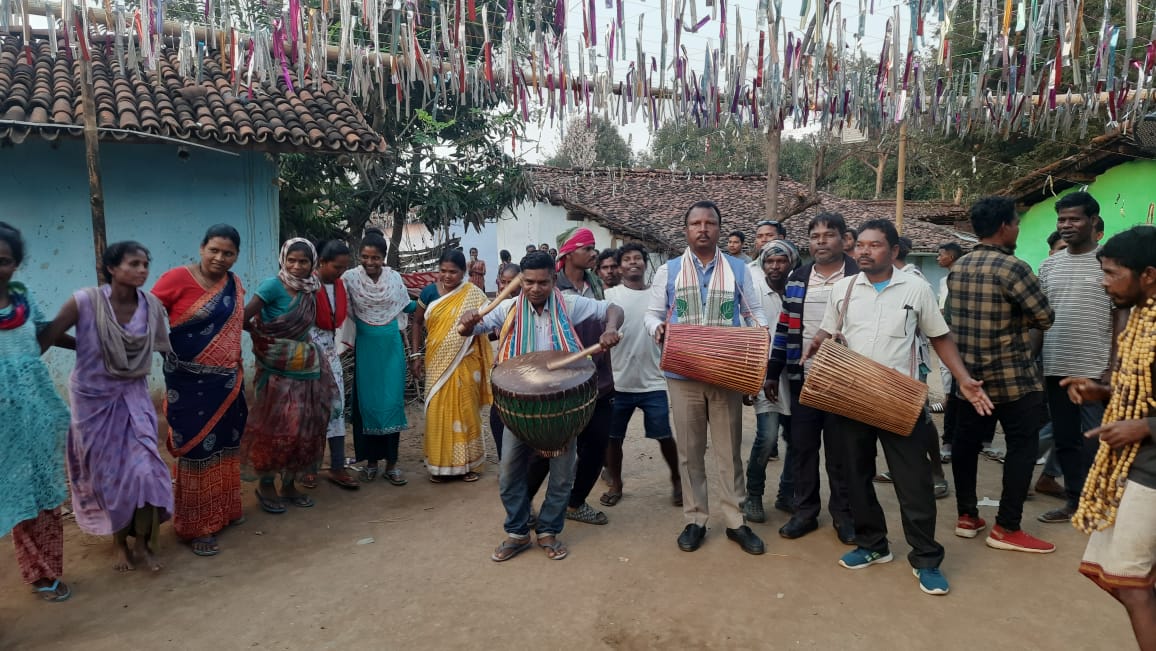
The festival is celebrated during the month of Magh (January–February) and is associated with agricultural prosperity, social harmony, and community bonding. Villagers gather together to perform rituals, offer prayers, sing traditional songs, dance to the beats of Mandar drums, and enjoy festive meals.
History of Mage Festival
Mage Parab has been celebrated for centuries among the Ho tribal community. According to tribal beliefs, the festival is dedicated to Singbonga, the supreme deity who is considered the creator of the world and humanity. The festival is connected with tribal creation myths and ancestral traditions.
Historically, the festival served as a time when communities came together after agricultural activities. It provided an opportunity for social gatherings, cultural performances, conflict resolution, and strengthening relationships among villagers.
The tradition has been passed down through generations and continues to be preserved despite modernization.
Significance of Mage Festival
Mage Festival is not merely a celebration; it carries deep religious and cultural importance.
1. Celebration of Nature
Tribal communities consider nature sacred. During Mage Parab, people express gratitude to forests, rivers, animals, and agricultural lands for supporting their livelihood.
2. Agricultural Importance
The festival marks the completion of harvesting activities and the beginning of a new agricultural season.
3. Community Unity
People from different villages gather together, promoting social harmony and collective identity.
4. Respect for Ancestors
Special prayers are offered to ancestors who are believed to protect the family and community.
5. Cultural Preservation
The festival helps preserve tribal songs, dances, customs, and traditional knowledge.
When is Mage Festival Celebrated?
Mage Festival is celebrated during the Magh month of the traditional tribal calendar, generally falling between January and February. The exact dates vary from village to village according to local customs and traditions.
The celebrations may continue for several days, making it one of the longest tribal festivals in Jharkhand.
Communities That Celebrate Mage Festival
Mage Festival is mainly celebrated by:
- Ho Tribe
- Munda Tribe
- Bhumij Community
- Oraon Community
- Kisan Community
- Kol Community
The Ho tribe considers it their most important annual festival.
Preparations for Mage Festival
Preparations begin several days before the festival.
Cleaning Homes
Families thoroughly clean their houses and surroundings.
Purchasing New Clothes
People buy traditional dresses and ornaments for the celebration.
Preparing Traditional Food
Special dishes and rice-based preparations are made for guests and relatives.
Community Arrangements
Village elders and priests organize rituals and cultural events.
Decoration
Homes and village centers are decorated using natural materials and tribal art.
Rituals of Mage Festival
The festival includes various rituals performed according to tribal customs.
Worship of Deities
Village priests conduct prayers to seek blessings from Singbonga and other local deities.
Ancestor Worship
Families remember and honor their ancestors through offerings and prayers.
Sacred Gatherings
Community members gather at sacred places where rituals are performed collectively.
Offerings
Traditional offerings are presented to deities as symbols of gratitude and devotion.
Blessings for Prosperity
People pray for good health, successful harvests, peace, and prosperity.
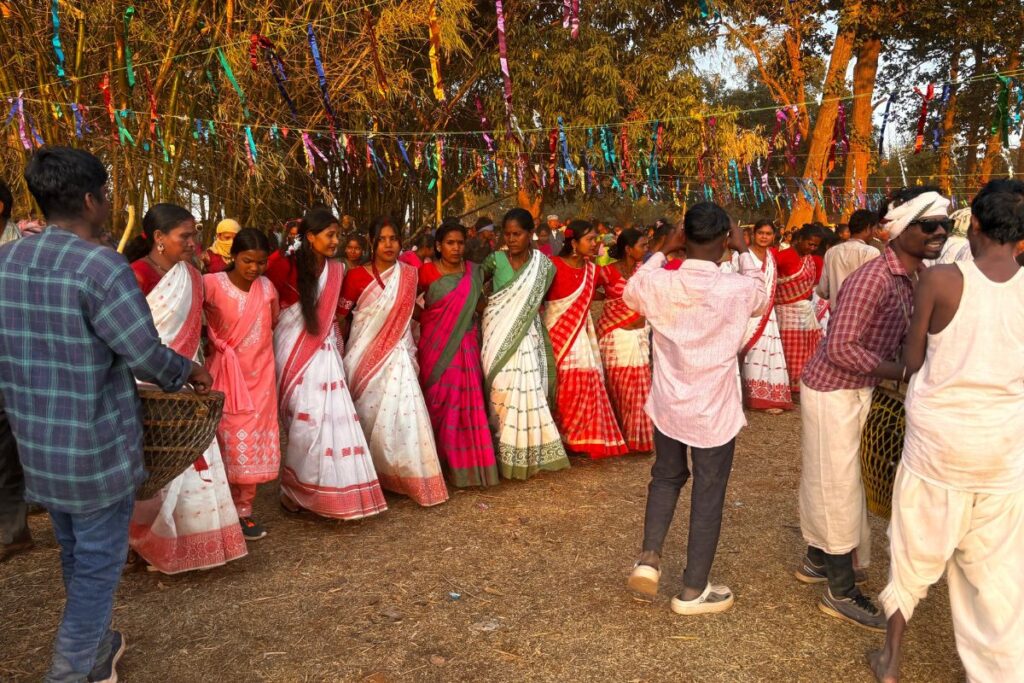
Traditional Dance During Mage Festival
Dance is one of the most attractive aspects of Mage Parab.
Ho Dance
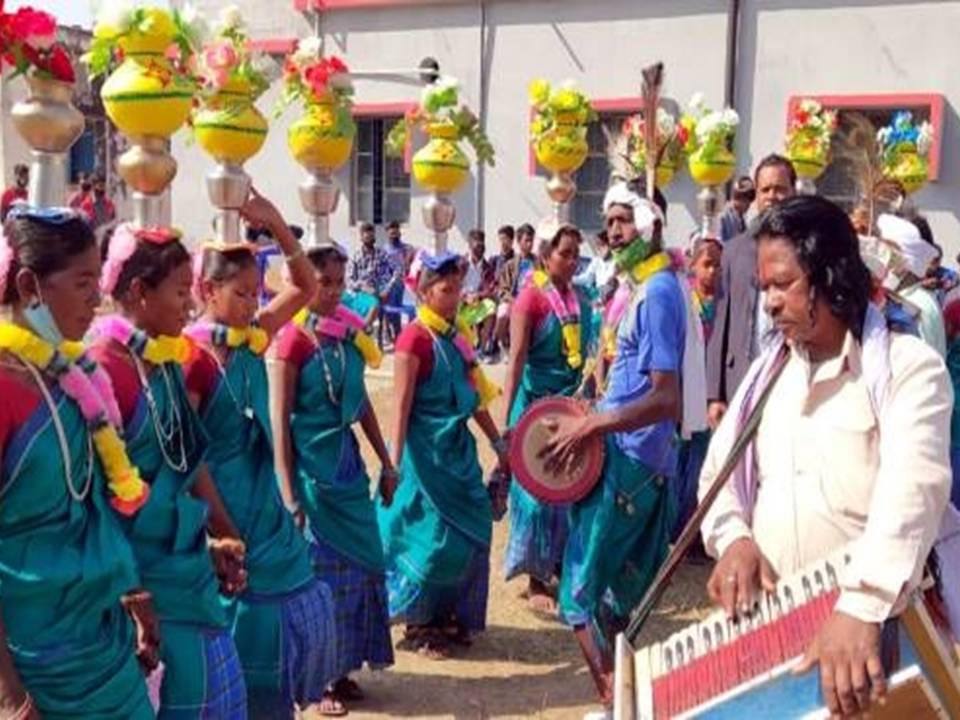
Men and women form groups and perform traditional Ho dances.
Community Participation
People of all ages participate enthusiastically.
Traditional Musical Instruments
Common instruments include:
- Mandar
- Nagara
- Tamak
- Flute
- Dhol
These instruments create energetic rhythms that encourage communal dancing.
Folk Songs of Mage Festival
Folk songs are an essential part of the celebration.
The songs usually focus on:
- Nature
- Agriculture
- Community life
- Love and friendship
- Tribal legends
- Spiritual beliefs
These songs help preserve oral traditions and tribal history.
Traditional Dress During Mage Festival
Men’s Attire
- White dhoti
- Traditional turbans
- Tribal ornaments
Women’s Attire
- Colorful sarees
- Silver jewelry
- Beaded necklaces
- Traditional accessories
The vibrant attire adds beauty and cultural richness to the celebration.
Traditional Foods of Mage Festival
Food plays an important role during Mage Parab.
Popular dishes include:
- Rice-based preparations
- Traditional tribal curries
- Seasonal vegetables
- Mahua-based foods
- Millet dishes
- Local sweets
Families share meals together, strengthening social bonds.
Social Importance of Mage Festival
Mage Festival promotes:
Social Harmony
People forget disputes and celebrate together.
Family Reunions
Relatives living far away return home.
Community Cooperation
Villagers collectively organize the festival.
Cultural Education
Young generations learn tribal customs and traditions.
Economic Impact of Mage Festival
The festival also contributes to local economic activities.
Local Markets
Village markets witness increased sales.
Handicrafts
Tribal artisans sell handmade products.
Traditional Clothing
Demand for tribal dresses and ornaments rises.
Tourism
Visitors come to experience tribal culture and festivities.
Mage Festival and Tribal Identity
Mage Festival serves as a symbol of tribal pride and identity.
The festival:
- Preserves indigenous traditions
- Strengthens cultural roots
- Encourages community participation
- Promotes tribal heritage
For many tribal communities, Mage Parab is an expression of their historical and cultural existence.
Tourism Opportunities During Mage Festival
Tourists visiting Jharkhand during Mage Festival can experience:
- Tribal dance performances
- Traditional music
- Indigenous cuisine
- Cultural exhibitions
- Local handicrafts
- Village celebrations
The festival offers a unique opportunity to understand tribal lifestyles and traditions.
Cultural Values Reflected in Mage Festival
Mage Festival reflects several important values:
Respect for Nature
Nature is treated as sacred.
Community Spirit
Collective participation is emphasized.
Gratitude
People express thanks for blessings received.
Equality
All community members participate equally.
Sustainability
Traditional lifestyles encourage harmony with nature.
Challenges in Preserving Mage Festival
Despite its importance, several challenges exist:
- Urbanization
- Migration of youth
- Modern lifestyles
- Declining knowledge of traditions
- Reduced use of tribal languages
Efforts by tribal organizations and cultural groups are helping preserve this heritage for future generations.
Role of Government and Cultural Organizations
Various cultural organizations and government initiatives promote tribal festivals by:
- Organizing cultural events
- Supporting tribal artists
- Preserving folk traditions
- Encouraging tourism
- Documenting tribal heritage
These efforts help keep the traditions of Mage Festival alive.
Why Mage Festival is Important Today
In the modern era, Mage Festival continues to inspire people through its messages of:
- Unity
- Cultural pride
- Environmental awareness
- Social harmony
- Community cooperation
The festival reminds society of the importance of living in harmony with nature and preserving cultural diversity.
Frequently Asked Questions (FAQs)
1. What is Mage Festival?
Mage Festival, also known as Mage Parab or Maghe Porob, is one of the most important tribal festivals celebrated mainly by the Ho tribe of Jharkhand. It marks prosperity, cultural unity, and gratitude toward nature.
2. When is Mage Festival celebrated?
Mage Festival is usually celebrated during the month of Magh (January–February) according to the traditional tribal calendar.
3. Which tribe primarily celebrates Mage Festival?
The Ho tribe primarily celebrates Mage Festival, although other tribal communities such as Munda, Bhumij, Oraon, and Kol also participate.
4. Why is Mage Festival important?
The festival is important because it symbolizes agricultural prosperity, social harmony, ancestral respect, and cultural preservation.
5. What is the meaning of Mage Parab?
“Mage” refers to the Magh month, while “Parab” means festival. Together, Mage Parab signifies a major community celebration held during Magh.
6. What is the religious significance of Mage Festival?
The festival includes prayers and rituals dedicated to Singbonga (the supreme tribal deity), nature spirits, and ancestors.
7. How long does Mage Festival last?
Depending on local traditions, Mage Festival may be celebrated for several days, often lasting up to a week in some villages.
8. What rituals are performed during Mage Festival?
People offer prayers, perform community worship, honor ancestors, prepare traditional food, and participate in cultural activities.
9. What is Singbonga?
Singbonga is considered the supreme deity and creator in many tribal belief systems of Jharkhand and is worshipped during Mage Festival.
10. What traditional dances are performed during Mage Festival?
Various tribal dances are performed, especially Ho folk dances accompanied by traditional musical instruments like Mandar and Nagara.
11. What musical instruments are used during the festival?
Popular instruments include Mandar, Dhol, Nagara, Tamak, and Flute.
12. What traditional foods are prepared during Mage Festival?
Rice-based dishes, millet foods, seasonal vegetables, traditional sweets, and local tribal delicacies are commonly prepared.
13. Why is nature worship important during Mage Festival?
Tribal communities believe nature provides food, water, and livelihood; therefore, they express gratitude through prayers and rituals.
14. Do people wear special clothes during Mage Festival?
Yes. Men wear traditional dhotis and turbans, while women wear colorful sarees and tribal ornaments.
15. How does Mage Festival strengthen community bonds?
The festival brings families, relatives, and villagers together through collective celebrations, feasts, and cultural programs.
16. Can tourists attend Mage Festival celebrations?
Yes. Tourists can visit tribal villages and cultural events to experience authentic tribal traditions, dances, and food.
17. What role do ancestors play in Mage Festival?
Ancestors are remembered and honored through prayers and offerings, as they are believed to bless and protect families.
18. How does Mage Festival help preserve tribal culture?
The festival preserves traditional songs, dances, customs, folklore, language, and tribal identity by passing them to younger generations.
19. What are the main attractions of Mage Festival?
Major attractions include traditional dance performances, folk music, tribal costumes, community feasts, rituals, and cultural gatherings.
20. Why should people learn about Mage Festival?
Learning about Mage Festival helps people understand the rich tribal heritage of Jharkhand, respect indigenous traditions, and appreciate cultural diversity.
Conclusion
Mage Festival, also known as Mage Parab, is one of the most important tribal festivals of Jharkhand. Celebrated mainly by the Ho community, it represents cultural heritage, agricultural prosperity, social harmony, and spiritual devotion. Through traditional rituals, folk music, dance, community feasts, and ancestral worship, the festival preserves centuries-old customs and strengthens the identity of tribal communities. As Jharkhand continues to develop, Mage Festival remains a shining symbol of its rich tribal culture and vibrant traditions.
About Us – JharTravel
Welcome to JharTravel — your trusted travel companion for discovering the hidden beauty, culture, history, and tourism of Jharkhand and across India.
My name is Md Mokarram, and I am proudly from Jharkhand. I created JharTravel with a simple mission: to help travelers explore the real beauty of Jharkhand, Bihar, and other amazing destinations through authentic travel guides, hotel information, food blogs, pilgrimage details, and local experiences.
At JharTravel, we believe that every destination has a unique story. From waterfalls, hills, temples, and forests to street food, local culture, and budget travel tips — we provide informative and easy-to-understand travel content for every type of traveler.
Our website covers:
- Travel guides for famous and hidden destinations
- Tourist places in Jharkhand, Bihar, and India
- Hotels, lodges, and homestay recommendations
- Religious and pilgrimage travel guides
- Street food and local cuisine blogs
- Travel tips, itineraries, and budget guides
- SEO-friendly and regularly updated travel articles
Whether you are planning a family trip, solo adventure, spiritual journey, or weekend getaway, JharTravel helps you make your journey easier and more memorable.
As a traveler and blogger from Jharkhand, I personally enjoy exploring new places and sharing genuine travel experiences with readers. Every article on JharTravel is written with passion, research, and the goal of helping travelers discover the beauty of India.
Thank you for visiting JharTravel and being part of this travel journey.
Contact Information
- Founder: Md Mokarram
- Website: https://jhartravel.com/
- Location: Jharkhand
“Final Two Words”
Thank you for visiting JharTravel, a travel platform created with passion and dedication by Md Mokarram from Jharkhand. Our goal is to provide helpful, accurate, and easy-to-read travel information for travelers who want to explore the beauty of Jharkhand. From hidden tourist spots and religious places to hotels, food, and travel tips, we aim to make every journey memorable and budget-friendly. We truly appreciate your support and trust in our content. Keep exploring new destinations with JharTravel and make every trip an unforgettable experience filled with adventure, culture, and beautiful memories.
- 1 Discover everything about Mage Festival (Mage Parab), the famous tribal festival of Jharkhand. Learn its history, significance, rituals, cultural importance, celebrations, and tourism value.
- 2 Introduction to Mage Festival
- 3 Worship of Deities
- 4 Ancestor Worship
- 5 Sacred Gatherings
- 6 Offerings
- 7 Blessings for Prosperity
- 8 Ho Dance
- 9 Community Participation
- 10 Traditional Musical Instruments
- 11 Frequently Asked Questions (FAQs)
- 12 About Us – JharTravel
- 13 “Final Two Words”