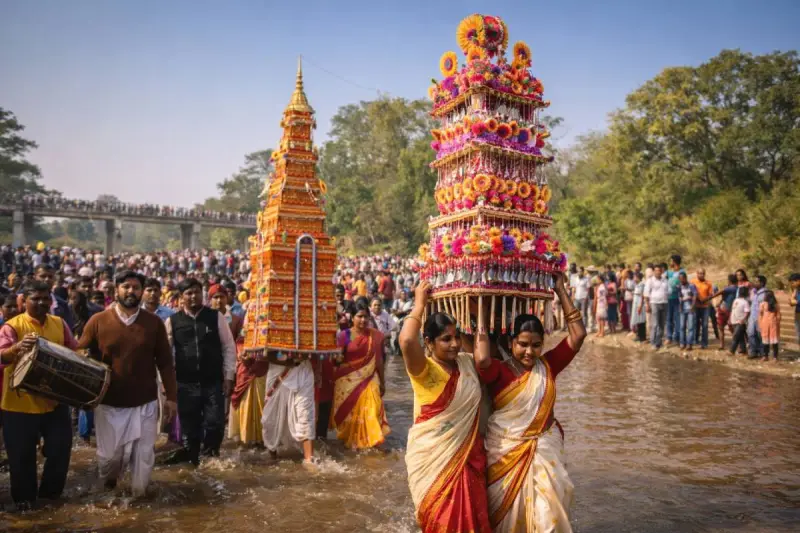
Explore the complete guide to the Tusu Festival, a popular harvest festival celebrated in Jharkhand, West Bengal, Odisha, and Bihar. Learn about its history, traditions, rituals, cultural significance, songs, and celebrations.
The Tusu Festival is one of the most important folk festivals celebrated in the rural and tribal regions of Jharkhand, West Bengal, Odisha, and parts of Bihar. It is primarily observed during the harvest season and marks the end of the agricultural cycle. Celebrated with great enthusiasm by farmers, tribal communities, and village women, the festival reflects the deep connection between nature, agriculture, and local culture.
Tusu is not just a festival; it is a vibrant expression of folk traditions, rural life, community spirit, and gratitude toward nature for providing a successful harvest. The celebration usually culminates on Makar Sankranti, making it an important winter festival in eastern India.
The colorful rituals, traditional songs, decorative idols, fairs, and cultural performances make Tusu one of the most fascinating festivals of the region.
What is Tusu Festival?
Tusu Festival is a traditional harvest festival celebrated mainly by agrarian communities. It is dedicated to Goddess Tusu, who symbolizes prosperity, fertility, and abundance.
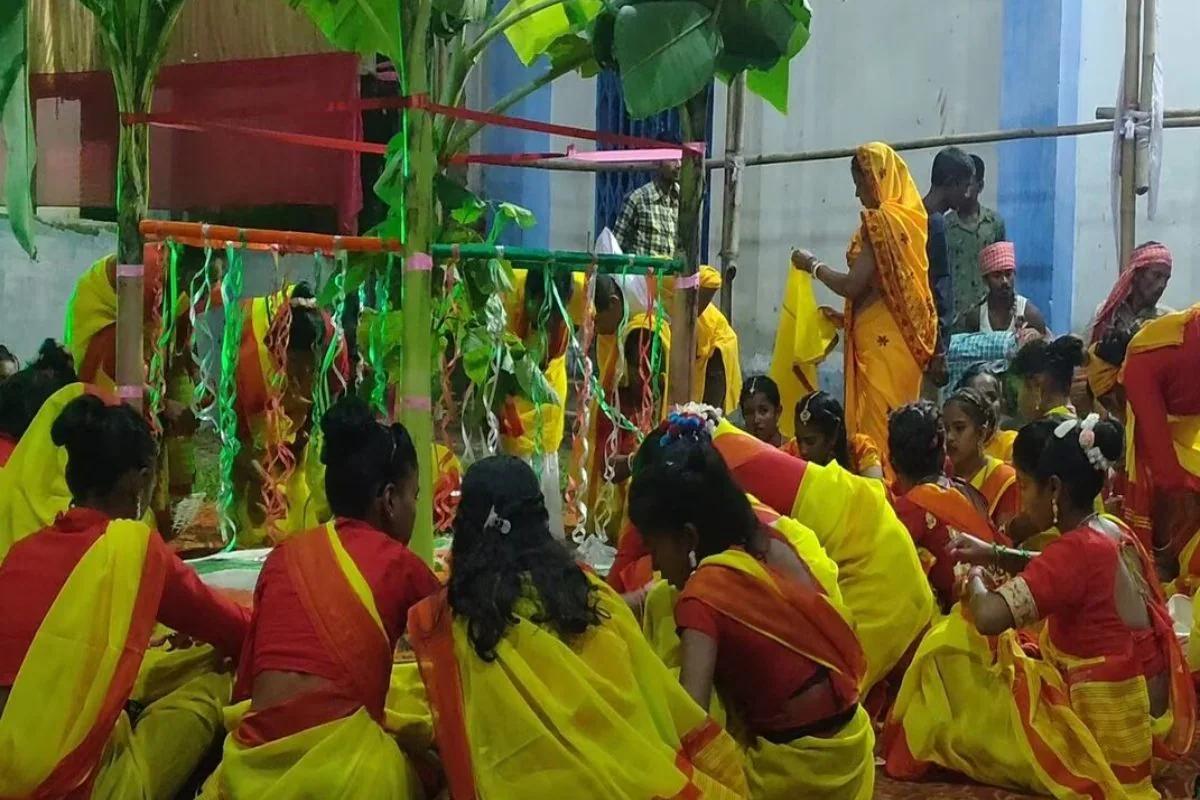
The festival begins in the month of Agrahayan (November-December) and continues until Makar Sankranti in January. During this period, young girls gather regularly to sing Tusu songs and prepare beautifully decorated idols or symbolic structures representing the goddess.
On the final day, these idols are carried in grand processions and immersed in rivers, ponds, or lakes amid music and celebrations.
History of Tusu Festival
The exact origin of the Tusu Festival remains uncertain, but historians believe it has ancient roots connected to agricultural traditions of eastern India.
For centuries, farming communities depended entirely on nature and seasonal cycles. After harvesting crops, villagers celebrated their success through communal festivals. Tusu emerged as one such harvest celebration where people expressed gratitude for a good yield and prayed for prosperity in the coming year.
Many folk legends associate Tusu with a young girl named Tusu, remembered for her beauty, courage, and sacrifice. Over time, her story became intertwined with local beliefs, transforming her into a symbolic folk deity.
The festival has been passed from generation to generation through oral traditions, songs, and community participation.
Significance of Tusu Festival
1. Agricultural Importance
Tusu marks the successful completion of the winter harvest season. Farmers celebrate the fruits of their hard work and thank nature for providing food and prosperity.
2. Cultural Heritage
The festival helps preserve local traditions, folk songs, dances, and indigenous customs that have existed for centuries.
3. Women’s Participation
Young girls play a central role in the celebrations. They compose and sing Tusu songs, decorate idols, and organize cultural activities.
4. Community Unity
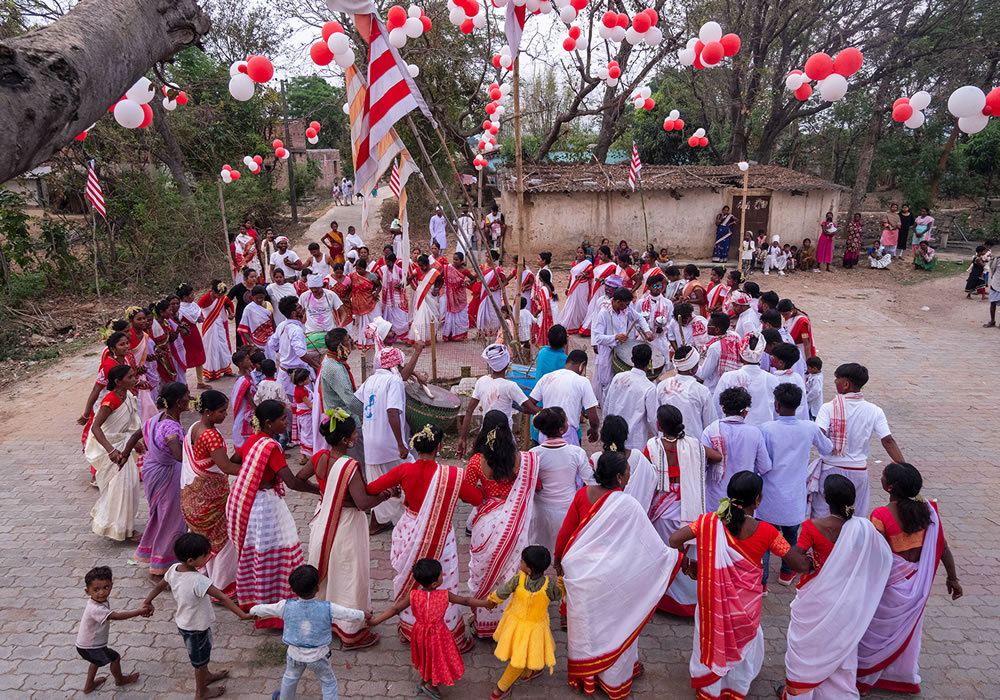
The festival brings together people from different villages and communities, strengthening social bonds and cultural identity.
5. Religious and Spiritual Value
Although primarily a folk festival, Tusu also reflects spiritual beliefs related to prosperity, fertility, and harmony with nature.
When is Tusu Festival Celebrated?
Tusu Festival is celebrated annually during the winter season.
The main celebrations occur on Makar Sankranti, usually observed on January 14 or January 15.
The festival period extends for nearly a month before Sankranti, during which preparations, singing sessions, and community gatherings take place.
Regions Where Tusu Festival is Popular
Tusu Festival is widely celebrated in:
- Rural areas of Jharkhand
- Purulia district of West Bengal
- Western Odisha
- Southern Bihar
- Tribal regions of eastern India
In Jharkhand, districts such as:
- Ranchi
- Bokaro
- Dhanbad
- Seraikela
- East Singhbhum
- West Singhbhum
celebrate the festival with great enthusiasm.
Preparations for Tusu Festival
Preparations begin several weeks before Makar Sankranti.
Cleaning Homes
Families thoroughly clean their houses and surroundings to welcome prosperity.
Collecting Materials
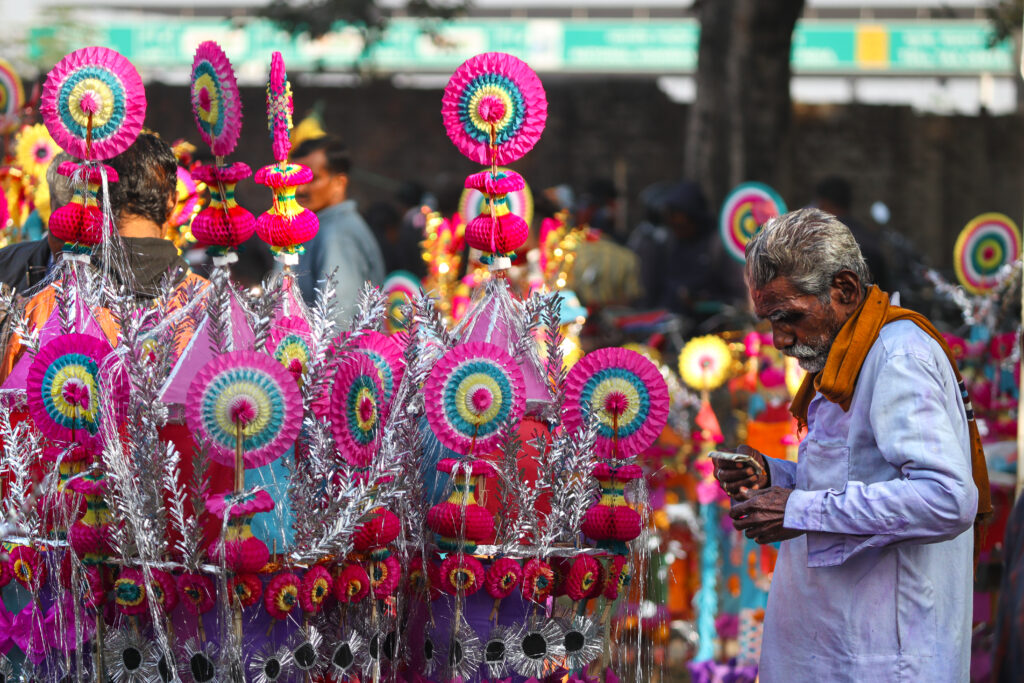
Villagers gather bamboo, colorful paper, cloth, flowers, and decorative items for constructing Tusu idols.
Community Meetings
Young girls and women organize singing groups and plan cultural performances.
Agricultural Celebrations
Since the harvest has already been completed, families use the festival period to celebrate their agricultural success.
Tusu Idol Making
One of the most attractive aspects of the festival is the creation of Tusu idols.
The idols are often made using:
- Bamboo
- Clay
- Wood
- Straw
- Colored paper
- Decorative fabrics
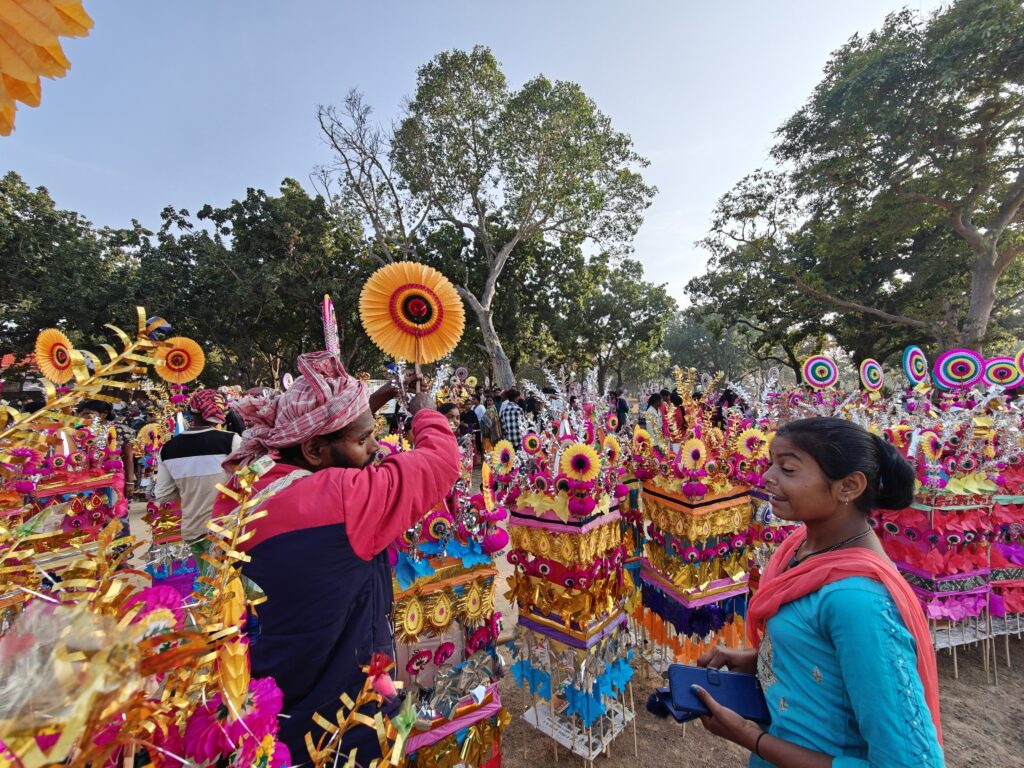
Some villages create small idols, while others construct large artistic structures showcasing remarkable craftsmanship.
Competitions are often organized to select the most beautiful Tusu idol.
Tusu Songs: The Heart of the Festival
Tusu songs are among the most important elements of the celebration.
These folk songs are sung by young girls and women throughout the festival season.
The songs cover themes such as:
- Love
- Nature
- Agriculture
- Social issues
- Village life
- Seasonal changes
- Folk legends
The melodies are simple yet deeply meaningful and reflect the cultural richness of rural communities.
Traditional Music and Dance
Music and dance are inseparable parts of Tusu celebrations.
Traditional instruments include:
- Dhol
- Mandar
- Nagara
- Flute
- Kartal
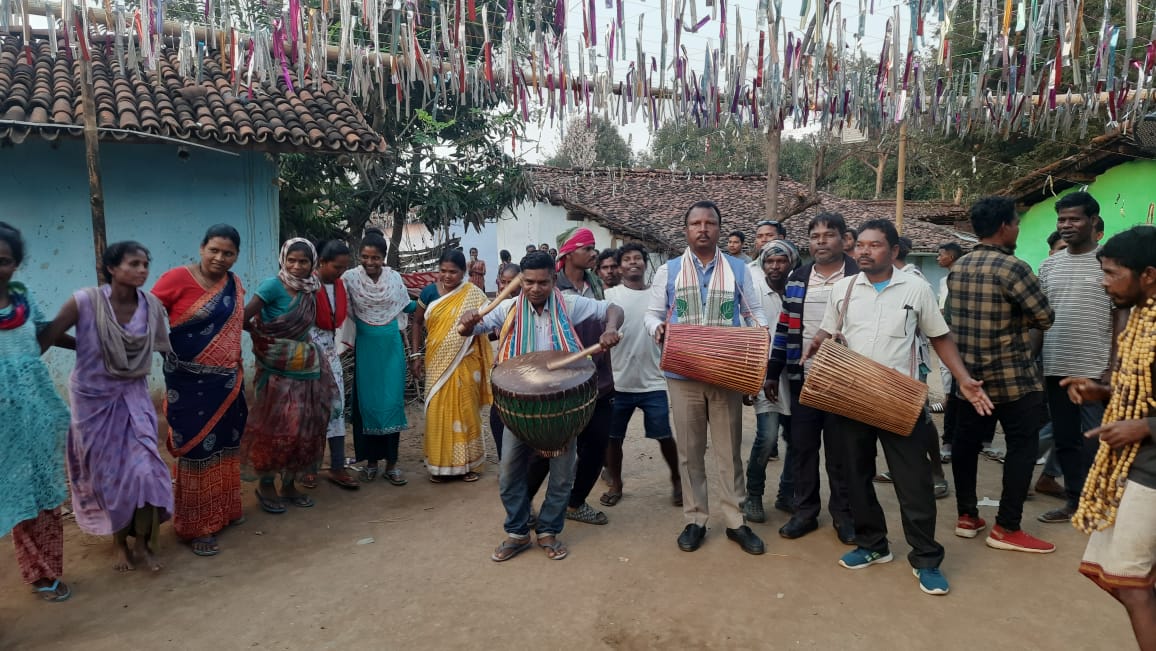
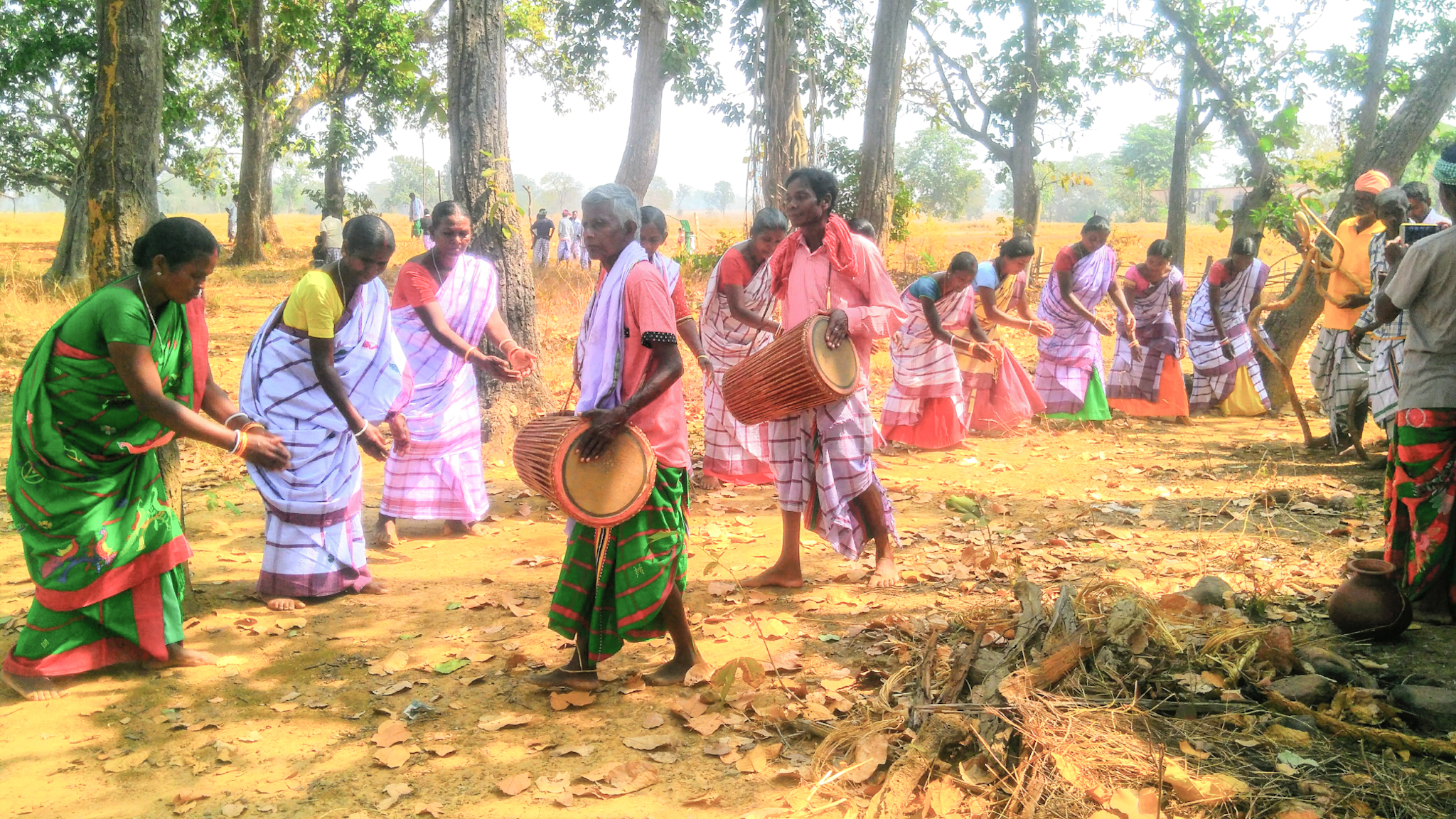
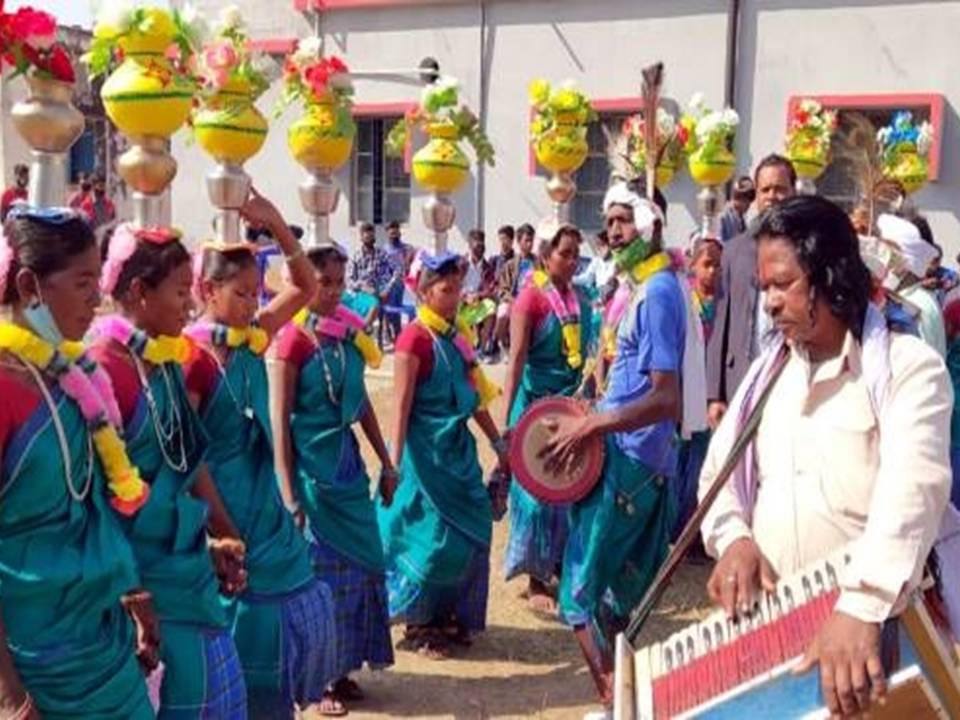
Villagers gather in open spaces to perform folk dances accompanied by rhythmic music and singing.
The performances continue late into the night, creating a festive atmosphere.
Rituals of Tusu Festival
Daily Singing
Throughout the festival period, groups gather every evening to sing devotional and folk songs.
Offering Prayers
Prayers are offered to Goddess Tusu for prosperity and happiness.
Decoration of Idols
The idols are beautifully decorated with flowers, ornaments, and colorful materials.
Community Gatherings
Villagers organize social and cultural events.
Immersion Ceremony
The final ritual involves immersing the idol in a nearby river or water body.
Tusu Fair (Mela)
Tusu Melas are an important attraction of the festival.
Large fairs are organized where visitors can enjoy:
- Folk performances
- Local handicrafts
- Traditional foods
- Agricultural products
- Cultural exhibitions
Thousands of people participate in these fairs every year.
Traditional Foods of Tusu Festival
Food plays a significant role in the celebrations.
Popular dishes include:
Pitha
Rice-based cakes prepared in various styles.
Tilkut
A sweet made from sesame seeds and jaggery.
Chura and Gur
Flattened rice served with jaggery.
Dahi
Fresh curd consumed during Makar Sankranti.
Seasonal Vegetables
Fresh produce harvested during the season is used in special meals.
Cultural Importance of Tusu Festival
Tusu Festival preserves the unique identity of tribal and rural communities.
The festival:
- Promotes folk culture
- Encourages community participation
- Preserves traditional music
- Strengthens local identity
- Supports cultural education among youth
Many cultural organizations now work to document and promote Tusu traditions.
Tusu Festival in Jharkhand
In Jharkhand, Tusu Festival holds special significance.
The festival reflects the state’s rich tribal heritage and agricultural traditions.
Villages across the state celebrate with:
- Folk songs
- Traditional dances
- Idol competitions
- Community feasts
- Cultural programs
It remains one of the most beloved festivals among rural communities.
Economic Impact of Tusu Festival
The festival also benefits local economies.
During Tusu celebrations:
- Artisans sell handmade decorations.
- Local vendors earn income.
- Handicraft markets attract visitors.
- Traditional food businesses see increased demand.
This creates seasonal employment opportunities in rural areas.
Modern Celebration of Tusu Festival
Today, Tusu Festival has evolved while retaining its traditional essence.
Modern celebrations include:
- Cultural competitions
- School programs
- Government-sponsored events
- Tourism promotion campaigns
- Folk music festivals
Digital media has also helped spread awareness about the festival beyond regional boundaries.
Tourism Potential of Tusu Festival
The festival attracts tourists interested in:
- Tribal culture
- Folk traditions
- Rural tourism
- Photography
- Cultural heritage
Visitors can experience authentic village life and traditional celebrations during the festival season.
Challenges Facing Tusu Festival
Despite its popularity, the festival faces several challenges:
- Urbanization
- Migration of youth
- Decline in traditional practices
- Commercialization
- Lack of documentation
Efforts are being made by cultural organizations and government agencies to preserve this valuable heritage.
Preservation of Tusu Heritage
To ensure the survival of Tusu traditions:
- Folk artists are being supported.
- Cultural festivals are promoted.
- Documentation projects are underway.
- Educational institutions organize awareness programs.
- Tourism initiatives highlight local culture.
These efforts help maintain the relevance of Tusu Festival for future generations.
Why Tusu Festival is Unique
Several features make Tusu Festival unique:
- Women-centered celebrations
- Rich folk music tradition
- Agricultural significance
- Community participation
- Artistic idol making
- Strong tribal cultural influence
The festival represents a harmonious blend of culture, agriculture, spirituality, and social unity.
Frequently Asked Questions (FAQs)
1. What is Tusu Festival?
Tusu Festival is a traditional harvest festival celebrated mainly in Jharkhand, West Bengal, Odisha, and Bihar during the Makar Sankranti season.
2. When is Tusu Festival celebrated?
The festival culminates on Makar Sankranti, usually on January 14 or 15 every year.
3. Who celebrates Tusu Festival?
Farmers, tribal communities, rural families, and especially young women participate in the festival.
4. Why is Tusu Festival important?
It celebrates a successful harvest and helps preserve folk culture, songs, and community traditions.
5. What are Tusu songs?
Tusu songs are traditional folk songs sung during the festival, reflecting themes of nature, agriculture, love, and village life.
6. What happens during the final day of the festival?
Decorated Tusu idols are carried in processions and immersed in rivers or ponds.
7. Which states celebrate Tusu Festival?
The festival is mainly celebrated in Jharkhand, West Bengal, Odisha, and Bihar.
8. What foods are prepared during Tusu Festival?
Popular foods include pitha, tilkut, chura, gur, dahi, and seasonal harvest dishes.
9. What is the significance of Tusu Mela?
Tusu Melas showcase folk culture, handicrafts, local foods, and traditional performances.
10. How does Tusu Festival help preserve culture?
It promotes folk music, dance, traditional art, local customs, and community participation, ensuring cultural traditions are passed to future generations.
Conclusion
Tusu Festival is one of the most vibrant and culturally significant harvest festivals of eastern India. Celebrated mainly in Jharkhand, West Bengal, Odisha, and Bihar, it symbolizes gratitude, prosperity, and community harmony. Through colorful idols, traditional songs, folk dances, fairs, and rituals, the festival preserves centuries-old traditions and showcases the rich cultural heritage of rural and tribal communities.
As modernization continues to transform society, preserving festivals like Tusu becomes increasingly important. The festival not only strengthens cultural identity but also promotes social unity, supports local economies, and keeps alive the folk traditions that define the spirit of eastern India.
About Us – JharTravel
Welcome to JharTravel — your trusted travel companion for discovering the hidden beauty, culture, history, and tourism of Jharkhand and across India.
My name is Md Mokarram, and I am proudly from Jharkhand. I created JharTravel with a simple mission: to help travelers explore the real beauty of Jharkhand, Bihar, and other amazing destinations through authentic travel guides, hotel information, food blogs, pilgrimage details, and local experiences.
At JharTravel, we believe that every destination has a unique story. From waterfalls, hills, temples, and forests to street food, local culture, and budget travel tips — we provide informative and easy-to-understand travel content for every type of traveler.
Our website covers:
- Travel guides for famous and hidden destinations
- Tourist places in Jharkhand, Bihar, and India
- Hotels, lodges, and homestay recommendations
- Religious and pilgrimage travel guides
- Street food and local cuisine blogs
- Travel tips, itineraries, and budget guides
- SEO-friendly and regularly updated travel articles
Whether you are planning a family trip, solo adventure, spiritual journey, or weekend getaway, JharTravel helps you make your journey easier and more memorable.
As a traveler and blogger from Jharkhand, I personally enjoy exploring new places and sharing genuine travel experiences with readers. Every article on JharTravel is written with passion, research, and the goal of helping travelers discover the beauty of India.
Thank you for visiting JharTravel and being part of this travel journey.
Contact Information
- Founder: Md Mokarram
- Website: https://jhartravel.com/
- Location: Jharkhand
“Final Two Words”
Thank you for visiting JharTravel, a travel platform created with passion and dedication by Md Mokarram from Jharkhand. Our goal is to provide helpful, accurate, and easy-to-read travel information for travelers who want to explore the beauty of Jharkhand. From hidden tourist spots and religious places to hotels, food, and travel tips, we aim to make every journey memorable and budget-friendly. We truly appreciate your support and trust in our content. Keep exploring new destinations with JharTravel and make every trip an unforgettable experience filled with adventure, culture, and beautiful memories.
- 1 Explore the complete guide to the Tusu Festival, a popular harvest festival celebrated in Jharkhand, West Bengal, Odisha, and Bihar. Learn about its history, traditions, rituals, cultural significance, songs, and celebrations.
- 2 1. Agricultural Importance
- 3 2. Cultural Heritage
- 4 3. Women’s Participation
- 5 4. Community Unity
- 6 5. Religious and Spiritual Value
- 7 Cleaning Homes
- 8 Collecting Materials
- 9 Community Meetings
- 10 Agricultural Celebrations
- 11 Daily Singing
- 12 Offering Prayers
- 13 Decoration of Idols
- 14 Community Gatherings
- 15 Immersion Ceremony
- 16 Pitha
- 17 Tilkut
- 18 Chura and Gur
- 19 Dahi
- 20 Seasonal Vegetables
- 21 About Us – JharTravel
- 22 “Final Two Words”